
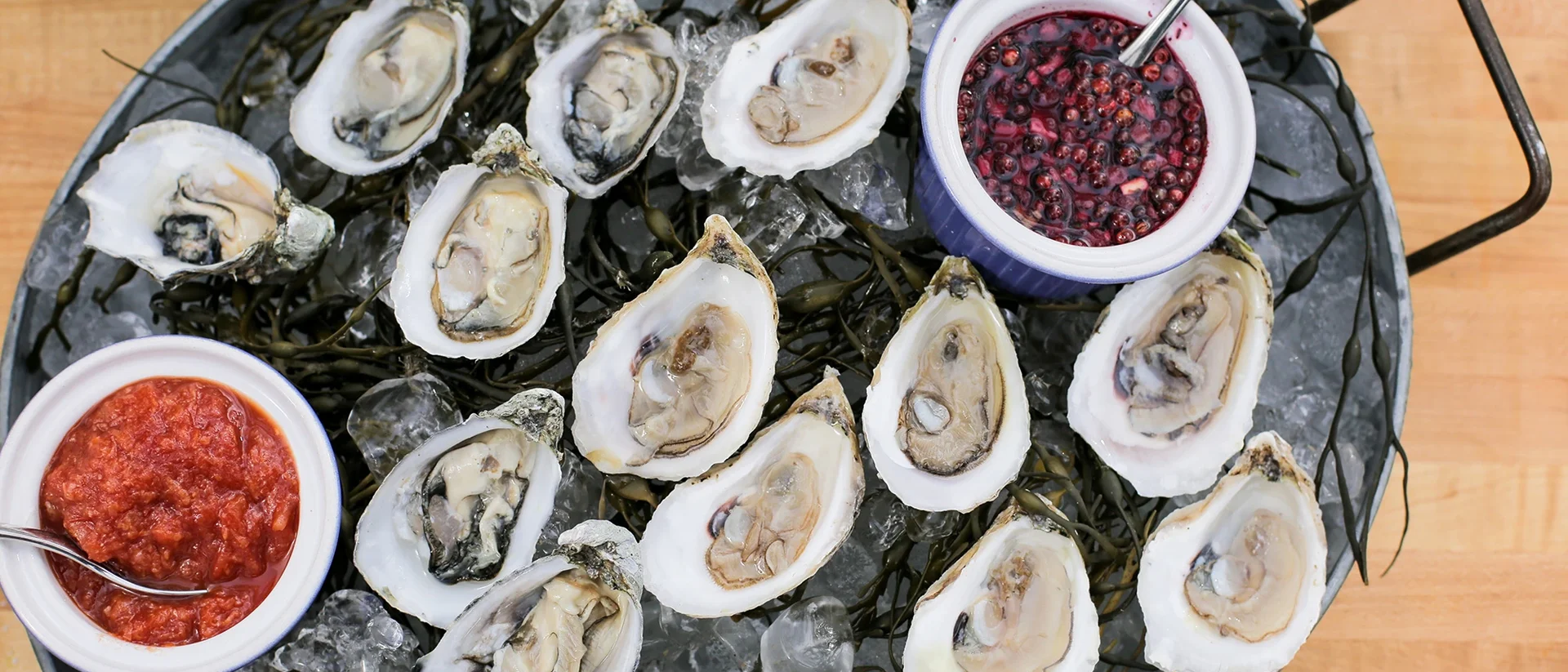
Many oyster species start out as males and later transition to females as they grow larger—a strategy where small oysters produce inexpensive sperm, while larger ones invest energy in producing eggs.
Oysters Change from Male to Female as They Grow
Oysters are nature's gender-fluid pioneers. Most species—including the Eastern oyster and Pacific oyster—begin life as males, then transition to females as they mature. Some can even switch back to male if conditions demand it.
This isn't random. It's a brilliant evolutionary strategy called protandry, and it's all about energy economics.
Why Start Male?
When you're a tiny oyster clinging to a rock, you don't have many resources. Producing sperm is cheap—millions of microscopic cells that you can release into the water without much metabolic cost.
But eggs? Eggs are expensive. Each one is packed with nutrients to give larvae a fighting chance. A large female oyster can produce 100 million eggs in a single spawning season, but that requires serious energy reserves.
So young oysters play it safe: be male, spread your genes affordably, and save the big investments for later.
The Female Switch
As oysters grow larger, their bodies can support the energy demands of egg production. At some point—usually after reaching a certain size—they make the switch to female. Now their bulk becomes an advantage, allowing them to flood the water with millions of eggs.
Research on Pacific oysters found that 58% were sequential hermaphrodites, with 19% following the protandric (male-to-female) pattern. But here's the twist: 13% went the opposite direction (female-to-male), and some switched multiple times throughout their lives.
The Reversible Strategy
Unlike most animals that pick a sex and stick with it, oysters can be flexible. If the local population has too few males, a female might revert to male to balance things out. It's a remarkable adaptation to unpredictable ocean conditions.
Environmental factors like temperature, food availability, and population density can all influence when—or whether—an oyster changes sex.
Not All Oysters Follow the Script
While protandry is common, it's not universal. Studies show only about 19% of oysters in some populations strictly follow the male-first pattern. Others:
- Start as females (protogyny)
- Remain one sex their entire lives
- Switch back and forth multiple times
- Display simultaneous hermaphroditism (both sexes at once)
The European flat oyster, for instance, can alternate between male and female multiple times per season, sometimes spawning as both sexes in the same year.
So the next time you slurp down a raw oyster, remember: you might be eating a creature that's lived as both male and female, possibly multiple times. Biology is weird, wonderful, and utterly unconcerned with our tidy categories.
Frequently Asked Questions
Do oysters really change sex from male to female?
Why do oysters start as males instead of females?
Can oysters change sex more than once?
Do all clams and oysters change sex?
What is protandry in oysters?
Verified Fact
This fact has been reviewed and verified against original sources.
Source: View sourceShow verification details
Original fact was about 'clams' but the sex-change behavior described is actually characteristic of oysters, not most clam species. Corrected to focus on oysters (Crassostrea species) which do exhibit protandry.