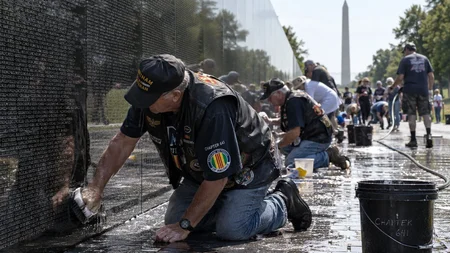
TrendingHistoryThe Vietnam Veterans Memorial Wall gets washed by hand. Vietnam veterans get down on the granite and scrub it themselves, with buckets, soft brushes and a hose. Their group, Chapter 641, started the ritual in 1996, and through 2026 that is 31 seasons of vets and volunteer groups washing the stone together. The wall carries 58,281 names. They are still out there scrubbing it, every warm season.9614 days ago
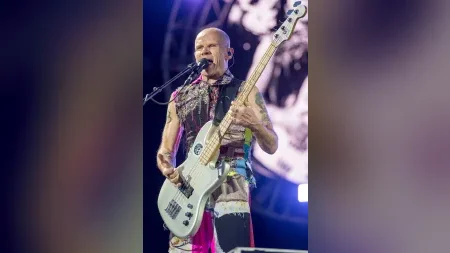
TrendingPeopleFlea grew up playing trumpet in Los Angeles. He has said his public school's music department kept him out of trouble as a kid. By 2001, Los Angeles had gutted school arts funding, so Flea opened a free music school in Silver Lake. 25 years later, it is still running. It grants scholarships for free lessons and instruments to families who cannot pay. He never forgot what music did for him.514 days ago
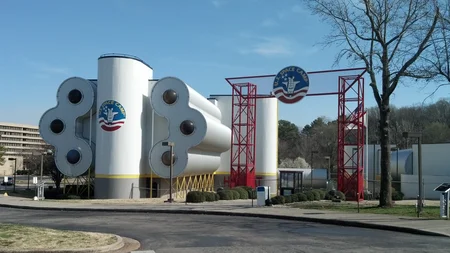
TrendingPeopleSpace Camp in Huntsville, Alabama has turned kids into pretend astronauts since 1982. Christina Koch went three or four summers as a kid and begged to go back every time. On April 6, 2026 she flew around the far side of the Moon on NASA's Artemis II, the first crewed lunar flyby since Apollo 17 and farther than any woman had ever flown. One of Space Camp's own kids made it to the Moon.3 days ago
TrendingEntertainmentJoe Walsh of the Eagles was 20 months old when his father, an Air Force jet instructor, died in a 1949 collision over Okinawa. There was no support system for families like his. In 2017 Walsh started VetsAid, a benefit concert he plays himself, with the proceeds going to veterans' groups in that year's host city. Eight shows in, he is still showing up.522 days ago
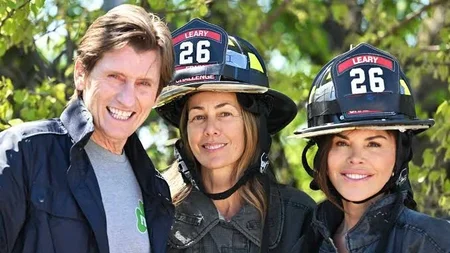
TrendingPeopleDenis Leary spent decades playing the angriest man in comedy. Six Worcester firefighters died in a 1999 warehouse fire, including his cousin Jerry Lucey. Leary didn't just grieve. He bought Boston a fireboat, sent rescue boats to New Orleans after Katrina, and helped fund the FDNY's first high-rise training simulator. More than 25 years later, he's still equipping firehouses nationwide.23 hours ago
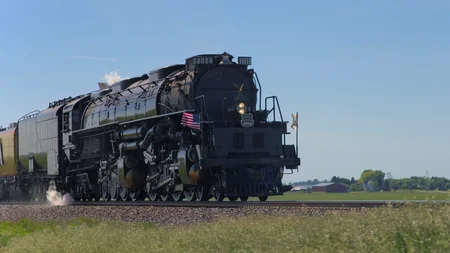
TrendingTechnologyUnion Pacific's Big Boy No. 4014 is the largest steam locomotive running anywhere on Earth: 1.2 million pounds, 133 feet long. Only 8 of the 25 ever built survive, and only this one still runs. For 51 years it just sat as a park exhibit in Pomona, California. Union Pacific rebuilt it and put it back on the rails. This summer it crossed 14 states and 7,145 miles for America's 250th birthday. It is still running.40425 days ago
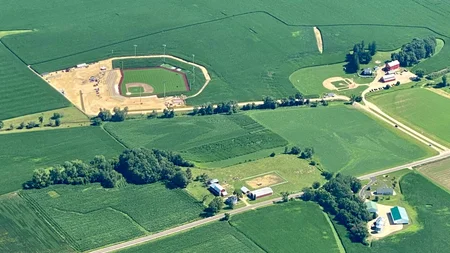
TrendingPlacesField of Dreams finished filming in 1988. The baseball diamond stretched across two Iowa farms, and both were supposed to go back to corn. Farmer Don Lansing left his half standing instead. His family had farmed that ground since 1906. He never charged a cent for admission or parking. By the film's 20th anniversary, about 65,000 strangers a year were coming to play catch. They still show up today.11k20 days ago
TrendingHistoryA World War II bomber named Doc sat in the Mojave for 42 years as a Navy target. An Air Force veteran spent more than eleven of those years talking the Navy into letting it go. It went home to Wichita, where 1,644 B-29s were built, and retirees from those lines helped rebuild it. Doc is one of two B-29s still flying, and it lands at airports every year so people can climb inside.712 days ago
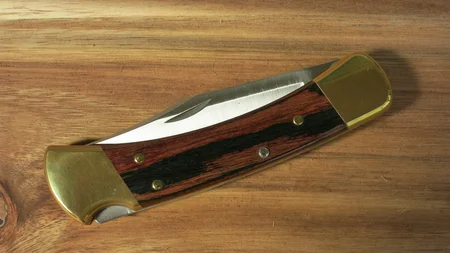
TrendingHistoryThe Buck 110 is the brass-and-wood folding knife in a million pockets. At 13, Hoyt Buck forged his first blade from a worn-out file. In WWII, the country ran short of knives for soldiers. He built a basement forge in Mountain Home, Idaho. "I didn't have any knives, but I sure knew how to make them," he said. His son Al built the company. The 110 came in 1964. The family still makes them.5 days ago
TrendingEntertainmentMetallica has spent years quietly paying for trade school. Their All Within My Hands foundation funds welding and other skilled trades. The Metallica Scholars Initiative now covers 93 community colleges in all 50 states, plus Guam. Thousands of students have gone through the program, and most fans have never heard of it.90629 days ago
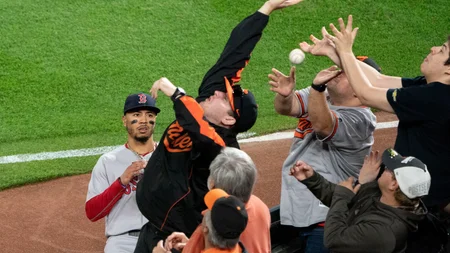
TrendingHistoryA foul ball fell into the Philadelphia bleachers in 1923. Robert Cotter, age 11, caught it and pocketed it. Back then the ball belonged to the Phillies, so they pressed charges. He spent the night in a cell. Next morning a judge freed him, refusing to brand a boy a thief over a $1.50 ball. It was the first court ruling that a fan could keep one. Every foul ball in the seats tonight is yours.1216 days ago
TrendingEntertainmentElijah Wood, Frodo himself, has spent more than a decade as a working DJ. He and his friend Zach Cowie play all-vinyl sets in small clubs, bringing crates of records from their own collections and never a laptop. At one sold-out show the crowd turned up in cloaks and pointed ears, and Wood opened with "We have no plan." They are still playing out of those crates.1844 days ago