
📝Updated for accuracy
Some details in this fact have been corrected based on our review of primary sources.
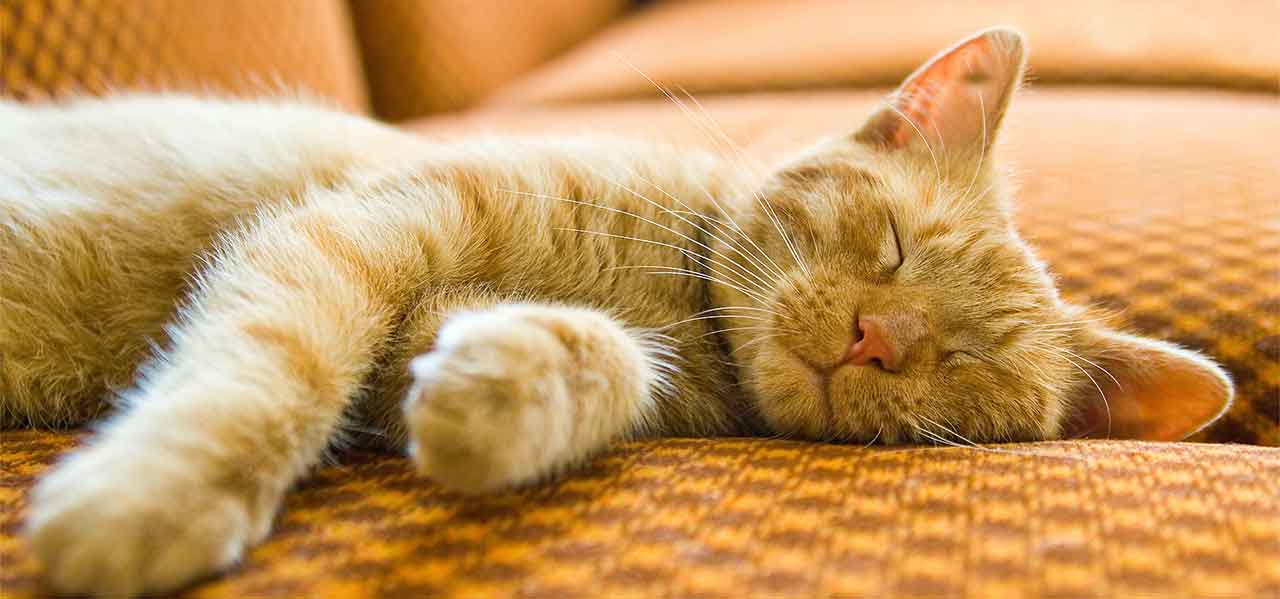
On average, cats sleep for 2/3 of their life. This would mean that a 9 year old cat has been asleep for 6 years.
Why Cats Sleep Two-Thirds of Their Lives
If you've ever wondered why your cat seems to have mastered the art of napping better than anyone else on the planet, there's a reason: cats sleep an average of 15 hours per day, with some sleeping up to 20 hours. Over a lifetime, that means a typical 9-year-old cat has spent roughly 6 years asleep.
But this isn't laziness - it's evolution at work.
Built for the Hunt
Cats are crepuscular predators, meaning they're naturally most active during dawn and dusk. In the wild, these twilight hours are prime hunting time. The rest of the day? That's for conserving energy.
Hunting requires explosive bursts of speed and power. To fuel these intense moments, cats need serious rest. Even though your house cat isn't stalking prey in the savanna, their biology hasn't changed. That toy mouse gets the same predatory intensity as a real hunt would, and all that pouncing takes energy.
Not All Sleep Is Deep Sleep
Here's the twist: most of that 15-hour sleep marathon isn't deep sleep at all. A lot of it is light, easily-interrupted dozing, alert enough that a cat can wake and pounce in an instant.
The rest is deeper sleep, including short bursts of REM, the phase where dreaming happens. You might notice your cat's whiskers twitching or paws moving during these moments. These REM bursts tend to be brief, but they matter for brain function and memory.
Age Changes Everything
The 15-hour average masks some major differences:
- Kittens can sleep up to 20 hours a day while their bodies grow
- Adult cats average 12-16 hours depending on activity level
- Senior cats gradually increase sleep time as they age, sometimes returning to kitten-like schedules
An indoor cat with plenty of food and no predators will typically sleep more than an outdoor cat that needs to stay alert.
When Sleep Becomes a Concern
While 15 hours is normal, sudden changes in sleep patterns can signal health issues. A cat sleeping significantly more than usual might be dealing with illness, pain, or depression. Conversely, restlessness and reduced sleep can indicate hyperthyroidism or anxiety.
Pay attention to the quality of sleep too. A healthy cat should be alert and responsive when awake, with good appetite and normal grooming habits. If your cat seems lethargic even when awake, that's worth a vet visit.
The Bottom Line
Your cat isn't being lazy when they spend two-thirds of their life sleeping. They're following millions of years of evolutionary programming that says: rest when you can, because you never know when you'll need to spring into action.
So the next time you find your cat sprawled in a sunbeam for the fifth hour straight, remember - they're not wasting time. They're just being exactly what nature designed them to be: efficient, energy-conserving predators who happen to have really perfected the art of the nap.