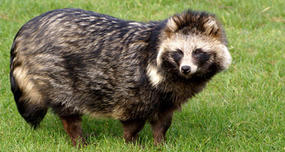
A newborn Chinese water deer is so small, it can (almost) be held in the palm of a hand.
The Miniature Marvel: Chinese Water Deer Fawns
Imagine holding a fully formed deer in the palm of your hand. While it might sound like something out of a fantasy, this image is surprisingly close to reality when it comes to a newborn Chinese water deer. These incredible creatures enter the world as true miniatures, often weighing less than one kilogram (around two pounds).
This astonishingly tiny size makes them one of nature's most delicate newborns. Their diminutive stature at birth is a remarkable evolutionary adaptation, crucial for their survival in the wild.
Meet the "Vampire Deer"
The Chinese water deer (Hydropotes inermis) is a unique species native to China and Korea. While widely known for their adorable fawns, the adults are perhaps even more distinctive. Unlike most other deer species, neither males nor females grow antlers.
Instead, the males are famously characterized by their elongated, protruding upper canine teeth. These 'tusks' can grow up to 8 cm (3 inches) long, giving them the intriguing, if slightly unsettling, nickname: "vampire deer."
Born to Hide
The incredibly small size of Chinese water deer fawns isn't just a cute quirk; it's a vital survival strategy. When born, these tiny deer are incredibly vulnerable to predators. Their small stature, combined with their dappled brown coats, provides exceptional camouflage.
Fawns spend their first few weeks hidden motionless in dense vegetation. They rely on their mothers to visit them for nursing, staying perfectly still to avoid detection. This 'hider' strategy is common among many prey animals, but the water deer takes it to an extreme with its nearly palm-sized offspring.
- Weight at birth: Typically under 1 kg (2 lbs)
- Camouflage: Dappled brown coat helps them blend with surroundings
- Survival strategy: Hiding motionless in dense cover
Tusks, Not Antlers
While the fawns are undeniably cute, their parents showcase another fascinating adaptation. Male Chinese water deer use their formidable tusks in a unique way. They are primarily employed during the breeding season, when males compete for females.
These sharp canines become weapons in territorial battles. Males will face off, lowering their heads and slashing at each other to assert dominance. It's a striking display that sets them apart from their antlered cousins.
Habitat and Lifecycle
Chinese water deer thrive in wetland environments, preferring areas near rivers, lakes, and marshes. They are also adept swimmers, a skill that helps them navigate their watery habitats and escape danger.
Females can give birth to multiple fawns, often two to three, after a gestation period of about six months. The fawns grow rapidly in their first year, quickly shedding their dependency on camouflage as their size increases. Their diet consists mainly of grasses, reeds, and other wetland plants.
The remarkable journey from a fragile, palm-sized infant to an agile adult with distinctive tusks highlights the diverse and often surprising adaptations found in the animal kingdom. The Chinese water deer truly is a marvel of miniature design and unique evolution.
Frequently Asked Questions
How small is a newborn Chinese water deer?
Why are Chinese water deer called "vampire deer"?
Where do Chinese water deer live?
How do Chinese water deer fawns survive being so small?
Do Chinese water deer have antlers?
Verified Fact
This fact has been reviewed and verified against original sources.