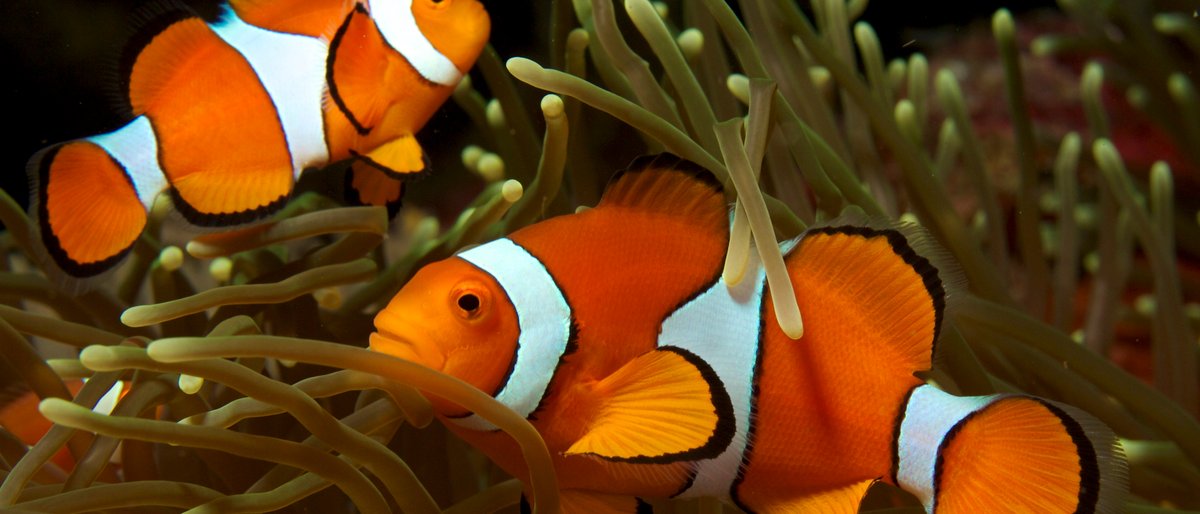
All clownfish are born male. When the dominant female in a group dies, the dominant male will transform into a female to take her place—making Finding Nemo's plot biologically impossible.
Finding Nemo Got It All Wrong: The Truth About Clownfish Sex Changes
Pixar's Finding Nemo tugs at our heartstrings with its tale of a devoted father fish crossing the ocean to rescue his son. There's just one problem: in the real world, Marlin would have become Nemo's mother.
The Plot Hole Swimming in Plain Sight
All clownfish are born male—every single one. They live in hierarchical groups dominated by one breeding pair: a large female and a slightly smaller male. When that female dies, something remarkable happens: the dominant male physically transforms into a female, complete with functioning ovaries.
So when Coral, Nemo's mother, was killed by that barracuda in the film's opening scene, Marlin wouldn't have spent the movie searching for his son. He would have transformed into a female, paired up with Nemo when he returned, and produced a whole new batch of offspring. Not exactly the family-friendly story Pixar was going for.
Why Clownfish Are Sequential Hermaphrodites
This sex-changing ability isn't a quirk—it's survival strategy perfected over millions of years. Clownfish face a unique problem: they can't leave their anemone home without risking death. Their symbiotic relationship with sea anemones, whose stinging tentacles protect them from predators, means they're essentially trapped in a very small dating pool.
The solution? Keep reproduction running no matter what. If the breeding female dies, the breeding male becomes female, and the next-largest male in the group matures to take the male role. It's a biological insurance policy that ensures the group can keep reproducing even when isolated from other clownfish populations.
The Science Behind the Switch
The transformation takes about a month. The male's testes degenerate while ovaries develop in their place. The fish grows larger—females can be up to 40% bigger than males—and becomes more aggressive, defending the anemone territory.
This process is called protandry, and clownfish aren't alone in this ability. Numerous fish species can change sex, including wrasses, parrotfish, and groupers. Some can even switch back and forth multiple times depending on the social dynamics of their group.
So yes, Finding Nemo is a beautiful film about family, courage, and letting go. Just don't think too hard about the biology—unless you want to imagine a very different sequel where Marlin and Nemo discuss some awkward facts of life.
Frequently Asked Questions
Can all clownfish change from male to female?
How long does it take for a clownfish to change sex?
Can female clownfish change back to male?
What would have really happened to Marlin after Coral died?
Why do clownfish have this ability to change sex?
Verified Fact
This fact has been reviewed and verified against original sources.
Source: View sourceShow verification details
Clownfish (Amphiprioninae) are confirmed protandrous hermaphrodites. All individuals are born male and the dominant male transforms into a female when the breeding female is removed. This is well-documented in marine biology research.