
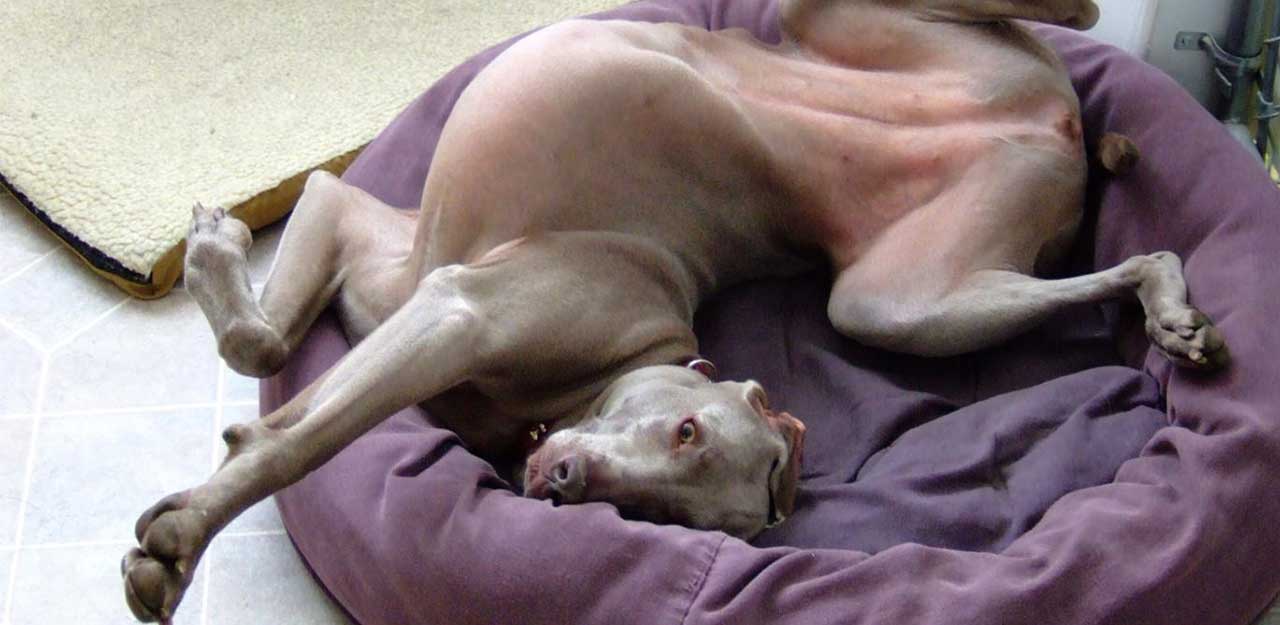
Dogs often turn in circles before lying down, a behavior inherited from wild ancestors who trampled grass to create comfortable beds and check for snakes or insects.
Why Dogs Spin in Circles Before Lying Down
If you've ever watched your dog perform an elaborate spinning ritual before finally plopping down, you've witnessed thousands of years of evolution in action. That seemingly quirky behavior isn't just adorable—it's a survival instinct hardwired into your pet's DNA.
Making the Bed, Canine Style
In the wild, dogs and their wolf ancestors didn't have the luxury of memory foam beds. When they needed to rest, they had to work with whatever terrain was available—usually tall grass, leaves, or underbrush.
By circling and trampling the vegetation, they accomplished several things at once:
- Flattening the surface to create a more comfortable sleeping area
- Checking for dangers like snakes, insects, or sharp objects hidden in the grass
- Establishing territory by leaving their scent from glands in their paws
- Positioning themselves to face potential threats while sleeping
The Science Behind the Spin
A 2012 study published in the journal Applied Animal Behaviour Science put this theory to the test. Researchers observed dogs on both smooth surfaces and uneven, shaggy carpets. The results? Dogs circled significantly more on the textured surfaces—exactly what you'd expect if the behavior evolved for grass-trampling purposes.
Even more fascinating, the number of circles increased with the "grassiness" of the surface. Your dog's brain is essentially running ancient software, treating your living room carpet like a potentially snake-filled meadow.
It's Not Just About Comfort
The circling behavior serves another crucial purpose: directional positioning. Wild canines are vulnerable when asleep, so they instinctively position themselves to monitor their surroundings. By spinning, they can assess wind direction, scan for threats, and choose the optimal angle to rest while keeping one eye on potential danger.
This explains why some dogs circle multiple times before lying down—they're running through an internal checklist that evolution deemed essential for survival.
When Circling Becomes Concerning
While occasional circling is completely normal, excessive spinning can sometimes indicate health issues. Older dogs with arthritis might circle repeatedly because they're struggling to find a pain-free position. In rare cases, compulsive circling can signal neurological problems.
A good rule of thumb: if your dog circles two or three times before settling, that's perfectly normal ancestral behavior. If they're spinning dozens of times or seem unable to stop, a vet visit might be in order.
Your Domestic Wolf
This behavior reminds us that beneath your dog's domesticated exterior lies thousands of years of wild instincts. They may have traded hunting for kibble and sleeping under stars for sleeping on your couch, but some things are simply too deeply encoded to disappear.
So the next time your furry friend performs their pre-nap pirouette, appreciate the glimpse into canine history. They're not being weird—they're being wonderfully, authentically dog.
Frequently Asked Questions
Why does my dog spin in circles before lying down?
Is it normal for dogs to circle before sleeping?
Do wolves circle before lying down too?
Why does my dog circle more on carpet than hard floors?
Verified Fact
This fact has been reviewed and verified against original sources.
Show verification details
The fact is partially correct but oversimplified. Dogs circle for multiple reasons including creating a bed, checking for threats, and positioning. Refined the fact to be more accurate.