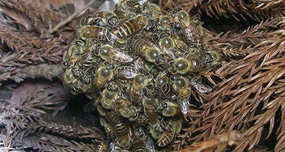
When a drone bee mates with a queen, its ejaculation is so powerful that it can even be heard by the human ear.
Drone Bees Make an Audible 'Pop' When They Mate
Nature has its share of dramatic reproductive strategies, but few are as bizarrely explosive as the mating ritual of the drone bee. When a male drone bee successfully mates with a queen mid-flight, his ejaculation is so forceful that it creates an audible popping sound that human ears can detect. Yes, you read that correctly—if you're standing near a mating flight, you might actually hear a bee orgasm.
This isn't just some weird internet myth. The process is violently efficient: the drone's endophallus (his reproductive organ) explosively enters the queen's sting chamber, blasting semen with enough force to reach her oviduct. The entire mating act lasts a mere 1-5 seconds, often completed in under 2 seconds, and takes place 33-131 feet above ground while both bees are in flight.
The Ultimate Sacrifice
Here's where things take a dark turn. That explosive ejaculation? It's fatal. As the drone pulls away from the queen, his endophallus is literally ripped from his body, remaining embedded inside her like a grotesque mating plug. His abdomen tears open in the process, paralyzing him as he flips backward and falls to his death.
This isn't an accident—it's evolution's design. The severed endophallus serves as a temporary plug, potentially preventing other males from immediately mating and increasing the chances of that particular drone's sperm fertilizing the queen's eggs.
One Flight, Multiple Partners
The queen doesn't mate with just one drone. During her single mating flight—the only one she'll ever take—she'll mate with 10-20 different drones, sometimes up to 40. Each encounter follows the same explosive, fatal pattern for the males involved.
From this single aerial rendezvous, she stores up to 100 million sperm in her oviducts, though only 5-6 million make it to her specialized storage organ called the spermatheca. She'll use these sperm for the rest of her life—potentially 3-5 years—releasing just a few at a time to fertilize eggs as she lays up to 2,000 eggs per day during peak season.
Why So Violent?
The explosive force isn't gratuitous—it's necessary. The semen needs to reach the queen's oviduct with sufficient pressure to ensure fertilization success. And because mating happens mid-flight in just seconds, there's no time for a gentle approach.
Drone bees exist for essentially one purpose: to mate with a queen. They don't forage, don't defend the hive, and don't produce honey. They're literally flying sperm delivery systems, and the hive tolerates them only during mating season. Come winter, if they haven't died in the act of mating, worker bees will forcibly evict them from the hive to conserve resources.
So the next time you see bees buzzing around flowering plants, remember: somewhere above you, there might be a brief, violent, audible romance ending in the ultimate sacrifice. Nature is beautiful, disturbing, and occasionally loud enough to hear.
Frequently Asked Questions
Do drone bees really die after mating?
How many drones does a queen bee mate with?
Can humans really hear bees mating?
How long does bee mating last?
What is the purpose of drone bees?
Verified Fact
This fact has been reviewed and verified against original sources.
Show verification details
Multiple scientific sources confirm that drone bee ejaculation creates an explosive 'pop' sound audible to humans.
Related Topics
More from Animals
View all Animals →