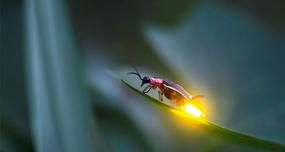
When frogs eat fireflies, the bioluminescent insects continue glowing inside their translucent stomachs for 10-15 minutes, making the frog appear to glow from within.
Frogs Glow From Within After Swallowing Fireflies
Nature has produced countless bizarre spectacles, but few are as surreal as watching a frog light up from the inside out. When certain frog species swallow fireflies whole, the bioluminescent insects don't stop glowing—they continue their chemical light show for 10 to 15 minutes inside the predator's stomach, visible through the frog's translucent skin.
In 2018, a Florida woman named Beverly McCord captured viral footage of this phenomenon. She filmed what appeared to be an American green tree frog that had just eaten a firefly. The frog sat placidly while a rhythmic glow pulsed from within its body, the firefly's light organ still functioning despite being swallowed alive.
Why Don't Fireflies Kill Frogs?
Here's the truly puzzling part: fireflies are highly toxic to most vertebrate predators. Most North American fireflies produce defensive steroids called lucibufagins—compounds so potent they can kill birds, reptiles, and other amphibians. The firefly's glow itself serves as a warning signal: "I'm poisonous, don't eat me."
Yet some frogs ignore this warning and survive. Scientists have proposed several theories:
- The firefly species may have been one of the few that don't produce toxins
- Certain tree frogs may have evolved immunity to lucibufagins
- The frog may have died shortly after the video was captured, before the toxins took full effect
The Science of Swallowed Light
Fireflies generate light through bioluminescence—a chemical reaction in specialized organs in their abdomens. These organs contain luciferin (a light-emitting compound), luciferase (an enzyme), and ATP (cellular energy). When oxygen enters the mix, it triggers a reaction that produces the signature yellow-green glow.
When a firefly gets swallowed, it doesn't die instantly. The light organs continue functioning until the insect succumbs to digestive acids or asphyxiation. During those final minutes, the frog becomes an unwitting living lantern, glowing with borrowed light.
The effect only works because many tree frogs have remarkably thin, translucent skin. In species with thicker, more opaque skin, the glow would be invisible from the outside. It's a perfect storm of biology: a toxic, glowing prey meeting a possibly immune, see-through predator.
A Risky Meal
While viral videos make glowing frogs seem common, most amphibians wisely avoid fireflies. The bitter taste and lethal toxins serve as effective deterrents. The frogs that do eat them are either extraordinarily lucky, uniquely adapted, or doomed to learn a fatal lesson about ignoring nature's warning lights.
Frequently Asked Questions
Do frogs glow after eating fireflies?
Are fireflies poisonous to frogs?
Why do fireflies keep glowing inside frogs?
What kind of frogs eat fireflies?
How long does a firefly glow inside a frog?
Verified Fact
This fact has been reviewed and verified against original sources.
Show verification details
Corrected from 'frogs themselves glow' to accurately reflect that the swallowed firefly glows inside the frog's translucent body