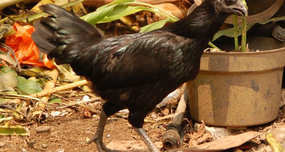
The Longest Chicken Flight Lasted Just 13 Seconds
If you've ever watched a chicken attempt to fly, you know it's more of a frantic flapping situation than graceful soaring. These birds can get airborne, sure, but calling it "flight" is generous. The world record for the longest chicken flight stands at a whopping 13 seconds—barely enough time to realize you're flying before you're back on the ground.
This record was reportedly set in 1985 by a bantam chicken that managed to cover 301.5 feet during those 13 seconds. That's about the length of a football field, which sounds impressive until you remember it took place over more than two decades ago and hasn't been beaten since. Either chickens have given up trying, or 13 seconds really is their absolute limit.
Why Chickens Are Terrible at Flying
Chickens are descendants of the red junglefowl, a wild bird from Southeast Asia that could actually fly pretty well. But thousands of years of domestication changed everything. Humans bred chickens to be plump, heavy, and excellent at producing eggs or meat—not exactly the aerodynamic profile you want for sustained flight.
Modern chickens have small wings relative to their body weight, and their breast muscles are overdeveloped for terrestrial life. They can manage short bursts of flight to escape predators or reach a roosting spot, but anything beyond that is asking too much. Their wings simply can't generate enough lift to keep their chunky bodies airborne for long.
What Chicken "Flight" Actually Looks Like
When a chicken does take off, it's less like a bird and more like a feathered potato being launched from a catapult. They flap frantically, gain a few feet of altitude, and then glide awkwardly until gravity wins. Most flights last just a few seconds and cover maybe 10 to 15 feet.
That 13-second record? It was likely a perfect storm of conditions: a lighter bantam breed, possibly a downhill trajectory, maybe a good wind. Your average backyard chicken isn't coming close to that.
The Flight Hierarchy
Not all chickens are created equal when it comes to flying ability:
- Bantams and lighter breeds can fly better than their heavier cousins
- Standard laying hens like Leghorns can manage short flights to escape danger
- Meat breeds like Cornish Cross can barely get off the ground—they're bred to be too heavy
- Silkies have fluffy feathers that don't provide proper lift, making flight nearly impossible
If you're keeping chickens and worried about them flying away, you probably don't need to be. Most won't bother flying unless they're spooked, and even then, they're not going far. A fence around four to six feet high is usually enough to contain them.
Could They Ever Beat the Record?
Probably not. The 13-second record has stood since 1985, and there's no indication any chicken is training to beat it. Unlike other animals that might be selectively bred for specific traits, no one's rushing to create an Olympic chicken breeding program.
Besides, chickens have evolved to survive without impressive flight skills. They roost in trees at night to avoid ground predators, and that requires maybe two seconds of flight to reach a low branch. Anything beyond that is unnecessary from an evolutionary standpoint.
So the next time you see a chicken awkwardly flutter across a yard, remember: you're watching a creature operating at the absolute edge of its capabilities. And somewhere out there, the ghost of that 1985 bantam chicken is still holding onto its crown as the greatest flyer in chicken history.
Frequently Asked Questions
What is the longest recorded flight of a chicken?
Why can't chickens fly very far?
Can chickens fly at all?
What breeds of chickens can fly the best?
How high of a fence do I need to keep chickens from flying away?
Verified Fact
This fact has been reviewed and verified against original sources.
Show verification details
The 13-second chicken flight record is widely cited and appears in multiple sources referencing a 1985 event.