
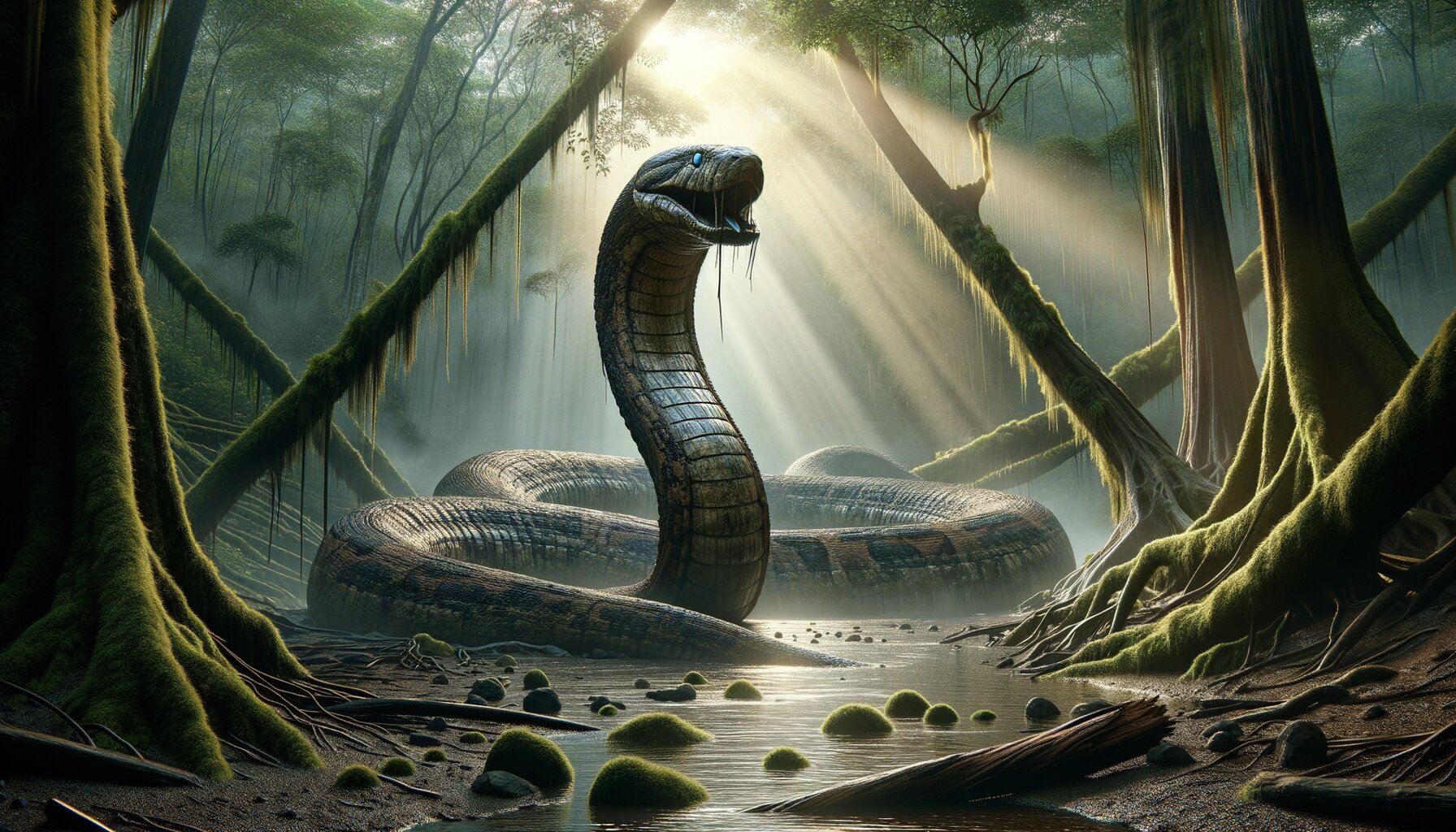
Titanoboa was the biggest snake known to science, measuring in at 13-15 meters in length and weighing about 2,500 lbs.
Titanoboa: The Colossal Serpent That Ruled The Earth
Imagine a snake so massive it would make an anaconda look like a garden hose. That's the reality of Titanoboa cerrejonensis, the biggest snake known to science. This prehistoric behemoth was truly a creature of colossal proportions, making it one of the most fascinating discoveries in paleontology.
For millions of years, long before humans walked the Earth, Titanoboa reigned supreme. Its sheer size is almost impossible to comprehend, dwarfing any snake alive today.
A Serpent of Staggering Scale
The fact is astounding: Titanoboa is the biggest snake known to science, with the largest snake vertebrae ever found. Estimates based on fossilized remains suggest an incredible length of 13 to 15 meters (42 to 49 feet). To put that in perspective, that's longer than a school bus! Its weight was equally impressive, tipping the scales at approximately 2,500 pounds (1,135 kilograms). This would be like several large grizzly bears combined into one incredibly long, muscular reptile.
These astonishing measurements aren't just guesses. Paleontologists meticulously studied the fossilized vertebrae of these ancient snakes. By comparing them to the bone structures of modern boa constrictors and anacondas, scientists were able to extrapolate its likely body size. The consistency across multiple fossil finds reinforces the accuracy of these awe-inspiring figures.
The World That Bred a Giant
Why did Titanoboa grow so large? The answer lies in the environment it inhabited approximately 58 to 60 million years ago, during the Paleocene epoch. This was a world still recovering from the extinction event that wiped out the dinosaurs.
The Earth was a much warmer place, particularly in the tropical regions of what is now northeastern Colombia, where Titanoboa fossils were first discovered. These extremely hot and humid conditions were ideal for cold-blooded reptiles.
- Temperature Matters: Snakes, being ectotherms, rely on external heat sources to regulate their body temperature. Warmer climates allow them to achieve larger body sizes, as their metabolic processes can operate more efficiently without needing to expend energy on internal heat generation.
- Abundant Food: The Paleocene tropics were teeming with life. Titanoboa's diet likely consisted of large fish, crocodilians, and even giant turtles that also thrived in this lush environment. An abundant food supply fueled its incredible growth.
- Lack of Competition: With the largest predators gone, Titanoboa faced fewer competitors for resources, allowing it to become the apex predator of its ecosystem.
More Than Just Length: A True Predator
Titanoboa wasn't just long and heavy; it was a formidable predator. While it is often depicted constricting its prey like modern boas, some theories suggest it might have hunted more like a crocodile, ambushing prey from the water. Its powerful jaws and immense strength would have made short work of any creature it decided to target.
Imagine the sheer power needed to subdue and consume prey that could also be quite substantial. The ecosystem of the Paleocene was a dynamic and dangerous place, and Titanoboa was at the top of its food chain, a true marvel of evolution's ability to create a super-sized predator.
The discovery of Titanoboa has revolutionized our understanding of prehistoric life and the potential sizes animals can achieve under specific environmental conditions. It serves as a powerful reminder of the incredible diversity and adaptations that have unfolded throughout Earth's history, cementing its place as the biggest snake known to science.
Frequently Asked Questions
How long ago did Titanoboa live?
Where were Titanoboa fossils found?
What did Titanoboa eat?
How does Titanoboa compare to modern snakes?
Verified Fact
Verified Sep 11, 2026 · 4 sources checked
Source: View sourceShow verification details
Claims checked
- Titanoboa is the biggest snake known to science, with the largest snake vertebrae ever found
- Titanoboa measured 13-15 meters (42-49 feet) long
- Titanoboa weighed about 2,500 lbs (1,135 kg)
- It lived 58-60 million years ago in the Paleocene epoch, in what is now Colombia
- Its diet likely included large fish, crocodilians and giant turtles
Sources: Smithsonian Magazine, Nature (Head et al. 2009), Scientific Reports