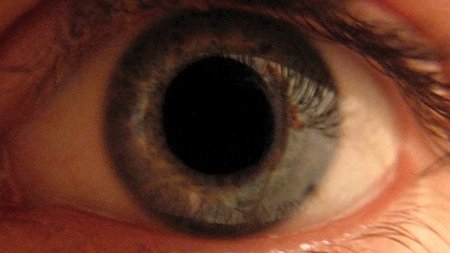
It is possible to go blind from smoking too heavily.
Smoking Can Cause Blindness: The Eye Health Risk You Need to Know
When people think about the health risks of smoking, they usually picture blackened lungs or heart disease. But here's a sobering fact: smoking can literally rob you of your sight. Heavy smokers face up to four times the risk of going blind compared to non-smokers, and the damage can be permanent.
The connection between cigarettes and blindness isn't some rare medical curiosity—it's a well-documented public health crisis that affects millions worldwide.
How Smoking Destroys Your Vision
Your eyes are surprisingly vulnerable to the 4,500+ toxic chemicals found in cigarette smoke. Every puff sends arsenic, formaldehyde, ammonia, and other poisons coursing through your bloodstream directly to the delicate tissues of your eyes.
The two main culprits behind smoking-related blindness are age-related macular degeneration (AMD) and cataracts. AMD attacks the center of your retina, destroying the sharp central vision you need for reading, driving, and recognizing faces. Cataracts cloud your eye's natural lens, making everything look foggy and dim.
What makes AMD particularly cruel is that it causes irreversible vision loss. Once those retinal cells die, they're gone forever.
The Numbers Don't Lie
- Smokers are 2-4 times more likely to develop AMD than non-smokers
- More than 25% of all AMD cases with blindness are directly caused by smoking
- Smokers develop AMD about 10 years earlier than non-smokers
- Smoking doubles your risk of cataracts
- Even secondhand smoke nearly doubles AMD risk for non-smokers living with smokers
Why Cigarettes Are So Toxic to Eyes
The tar in cigarette smoke contributes to fatty deposits called drusen that accumulate in your retina—the early warning signs of AMD. Meanwhile, the oxidative stress and inflammation from smoking create a hostile environment that accelerates cell death in your eyes.
If you carry certain genetic mutations (like the HTRA1 gene), smoking multiplies your risk even further. Some smokers with this mutation are 20 times more likely to develop AMD than non-smokers.
There's Hope If You Quit
Here's the good news: your eyes can partially recover if you stop smoking. Quitting may lower your risk for both AMD and cataracts, and if you already have AMD, kicking the habit may slow the disease's progression.
Former smokers have only a slightly elevated risk compared to people who never smoked at all. Your body—including your eyes—has remarkable healing abilities once you stop poisoning it.
So the next time someone tells you smoking is just a personal choice, remember: it's a choice that could leave you in permanent darkness. Your eyes deserve better than that.
Enjoyed this? Get a new fact every morning.
A fascinating fact in your inbox every morning. Free. Unsubscribe anytime.
Frequently Asked Questions
Can smoking really make you go blind?
How does smoking damage your eyes?
Will quitting smoking improve my eyesight?
What is age-related macular degeneration from smoking?
Does secondhand smoke cause blindness too?
Verified Fact
This fact has been reviewed and verified against original sources.
Show verification details
The claim is factually accurate. Smoking is a well-documented risk factor for several eye diseases that can lead to blindness, particularly age-related macular degeneration (AMD) and cataracts.