
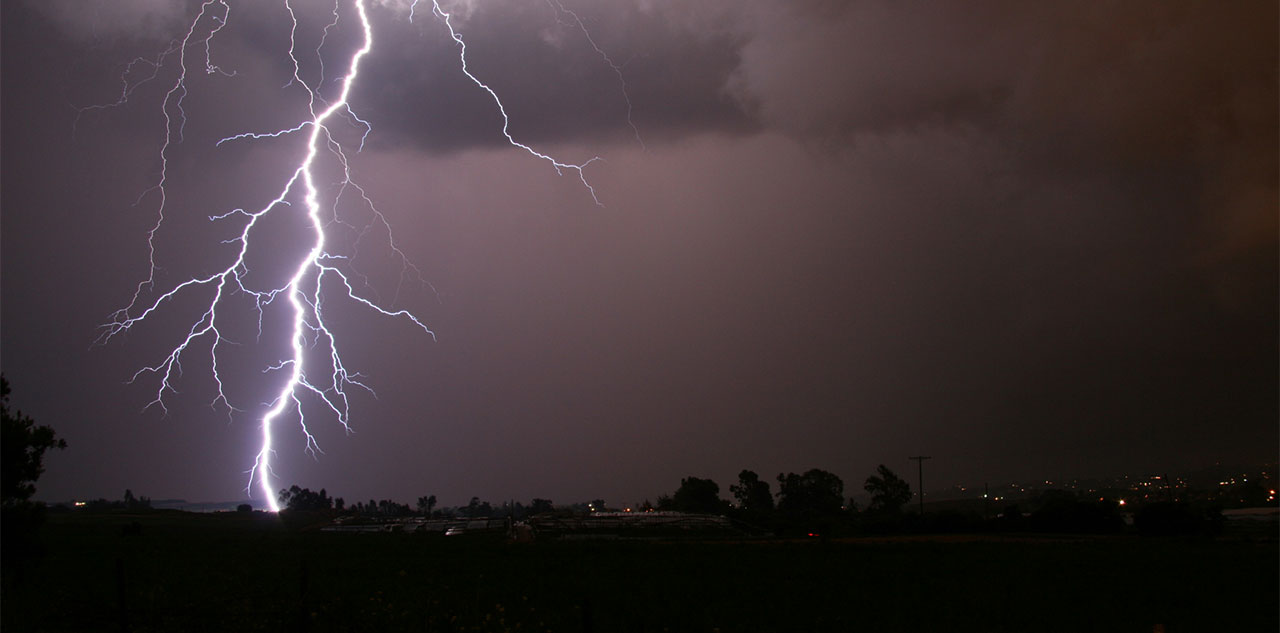
Edwin Robinson lost his sight and hearing in a 1971 truck accident. Nine years later, he stepped outside during a storm in Falmouth, Maine to rescue his pet chicken. A bolt of lightning hit him in the head and knocked him cold. When he woke up the next morning, he could see and hear again. Within weeks his hair started growing back too. Doctors had no medical explanation.
Lightning Strike Miraculously Restored Man's Sight
Edwin Robinson was not having a good decade. After a truck accident in 1971 left him blind and deaf, the 62-year-old Maine man had spent nine years navigating a world of darkness and silence. Then, on June 4, 1980, something impossible happened.
A lightning bolt struck him in the head. And when he woke up the next morning, he could see and hear again.
The Chicken That Changed Everything
Robinson wasn't out looking for miracles that June evening in Falmouth, Maine. He was trying to rescue his pet chicken from a rainstorm. As he stepped outside, a bolt of lightning hit him directly, throwing him to the ground and knocking him unconscious.
His wife found him and rushed him to the hospital. Doctors examined him and, finding no serious burns or injuries, sent him home. Everyone expected the worst was over.
The Morning After
When Robinson woke up the next day, the first thing he noticed was light. Not the vague shadows he'd been living with since the accident—actual light. Then he heard his wife's voice. Clearly. For the first time in nearly a decade.
His family was stunned. So were his doctors. Dr. Albert Moulton, an ophthalmologist who examined Robinson after the lightning strike, confirmed that his vision had genuinely returned. This wasn't a placebo effect or wishful thinking—the man could see again.
How Does Lightning "Cure" Anything?
Here's where it gets weird. Lightning shouldn't heal people. It carries up to one billion volts of electricity and kills about 20% of people it strikes directly. The survivors often face permanent nerve damage, burns, and cardiac problems.
But in extremely rare cases, that massive electrical jolt can actually restart or rewire damaged neural pathways. Think of it like a biological defibrillator, except instead of restarting your heart, it's shocking your nervous system back into function.
The key factors in Robinson's case:
- His blindness and deafness were caused by physical trauma, not degenerative disease
- The damage was relatively recent (nine years old, not decades)
- The lightning struck his head directly, targeting the affected area
- He survived with minimal other damage
The Long-Term Reality Check
Medical researchers followed up with Robinson four years later, in 1984. The improvement had stuck. His vision and hearing remained functional, though not perfect. He had essentially won the most dangerous lottery in medical history.
But here's the part they don't put in the headlines: Robinson also lost all his hair and had ongoing health issues from the strike. Lightning didn't make him superhuman—it just happened to undo some specific damage while causing new problems.
Don't Try This at Home (Obviously)
Every few years, this case resurfaces online with someone suggesting lightning could be a "cure" for blindness or deafness. That's dangerously wrong. Robinson's case is a one-in-millions fluke, not a reproducible medical treatment.
Modern medicine has actual treatments for vision and hearing loss that don't involve risking death by electrocution. Robinson himself never suggested others should try his accidental "therapy."
His case remains one of the most thoroughly documented medical oddities of the 20th century—a reminder that the human body can surprise us, even when struck by 300 million volts of lightning.
Enjoyed this? Get a new fact every morning.
A fascinating fact in your inbox every morning. Free. Unsubscribe anytime.
Frequently Asked Questions
Can lightning restore vision and hearing?
What happens when you get struck by lightning?
Why would lightning improve someone's senses?
How common are lightning strike survivors?
Are there other cases of lightning curing medical conditions?
Verified Fact
This fact has been reviewed and verified against original sources.
Show verification details
This is the documented case of Edwin Robinson from Falmouth, Maine. He was struck by lightning on June 4, 1980, while rescuing his pet chicken. His blindness and deafness resulted from a 1971 truck accident.