
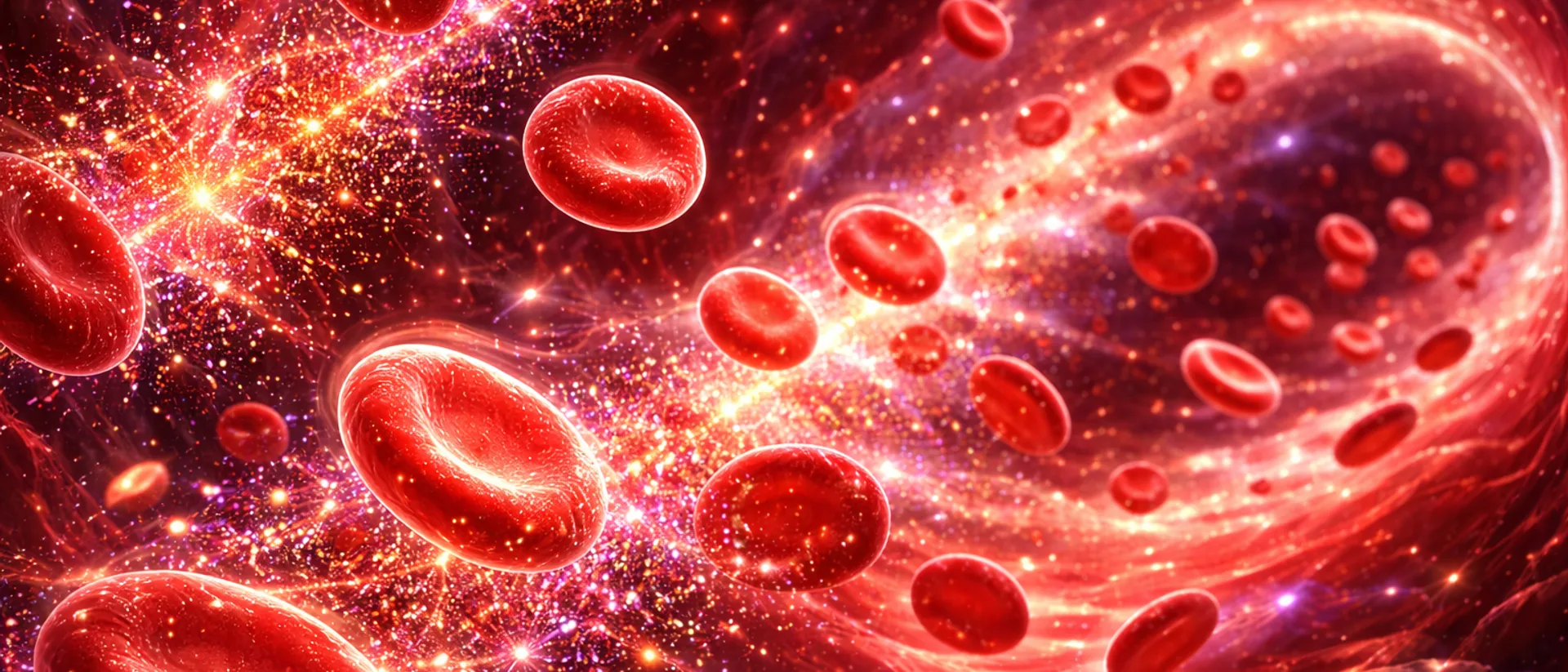
Your body is creating and killing about 2.4 million red blood cells per second.
The Incredible Red Blood Cell Cycle: 2.4 Million Per Second
Imagine a factory running at full tilt, twenty-four hours a day, seven days a week. Now, imagine that factory is inside you, dedicated solely to creating and destroying tiny, crucial components. That's essentially what's happening with your red blood cells. Every single second, your body creates and eliminates an astounding 2.4 million red blood cells. It's a continuous, high-volume operation essential for your very existence.
These microscopic powerhouses, also known as erythrocytes, are fundamental to keeping you alive. Their primary job is to transport oxygen from your lungs to every tissue and organ in your body. Without a constant supply of fresh red blood cells, your body simply wouldn't get the oxygen it needs to function.
The Body's Blood Cell Factory
So, where does this incredible production line begin? Deep within your bones, specifically in the bone marrow. This soft, spongy tissue is home to hematopoietic stem cells. These remarkable cells are the progenitors of all blood cells, including the vast army of red blood cells.
- Erythropoiesis: This is the scientific name for the process of red blood cell production.
- Erythropoietin: A hormone primarily produced by the kidneys, erythropoietin acts as a crucial signal. It stimulates the bone marrow to ramp up red blood cell production when oxygen levels in the body are low.
The journey from a stem cell to a mature red blood cell takes about seven days. During this time, the cells undergo several transformations, eventually ejecting their nucleus to become biconcave discs packed with hemoglobin. This unique shape and composition are optimized for carrying oxygen efficiently.
A Relatively Short but Vital Life
Once released into the bloodstream, a red blood cell typically enjoys a lifespan of about 100 to 120 days. While this might seem short compared to a human lifespan, it's a testament to their demanding role. They are constantly squeezing through capillaries, delivering oxygen, and enduring significant wear and tear.
When their time is up, these senescent (aging) red blood cells don't simply vanish. They are efficiently removed from circulation, primarily by specialized cells called macrophages, found predominantly in the spleen and liver. These organs act as the body's recycling centers, breaking down the old cells and salvaging valuable components.
- Hemoglobin breakdown: The iron from hemoglobin is recycled and transported back to the bone marrow for new red blood cell production.
- Globin chains: The protein parts of hemoglobin are broken down into amino acids, which the body can then reuse.
- Heme group: The non-iron part of the heme group is converted into bilirubin, a waste product that gives urine its yellow color and contributes to the color of feces.
Maintaining a Perfect Balance
This constant cycle of creation and destruction highlights the body's incredible ability to maintain homeostasis. It's a delicate balance; too few red blood cells can lead to conditions like anemia, causing fatigue and weakness due to insufficient oxygen delivery. Conversely, too many can thicken the blood, increasing the risk of clots, a condition known as polycythemia.
The fact that your body can so precisely regulate this massive cellular turnover, producing and eliminating millions of cells every second without you even noticing, is truly mind-blowing. It's a silent, ceaseless ballet of life and death playing out within you, ensuring every breath you take fuels the next moment.
Frequently Asked Questions
How many red blood cells are in the human body?
What is the main function of red blood cells?
Where are red blood cells produced?
How long do red blood cells live?
What happens to old red blood cells?
Verified Fact
This fact has been reviewed and verified against original sources.
Show verification details
Multiple reputable sources confirm that the human body produces and destroys red blood cells at a rate of approximately 2-2.5 million per second. The figure of 2.4 million is well within this accepted range.