
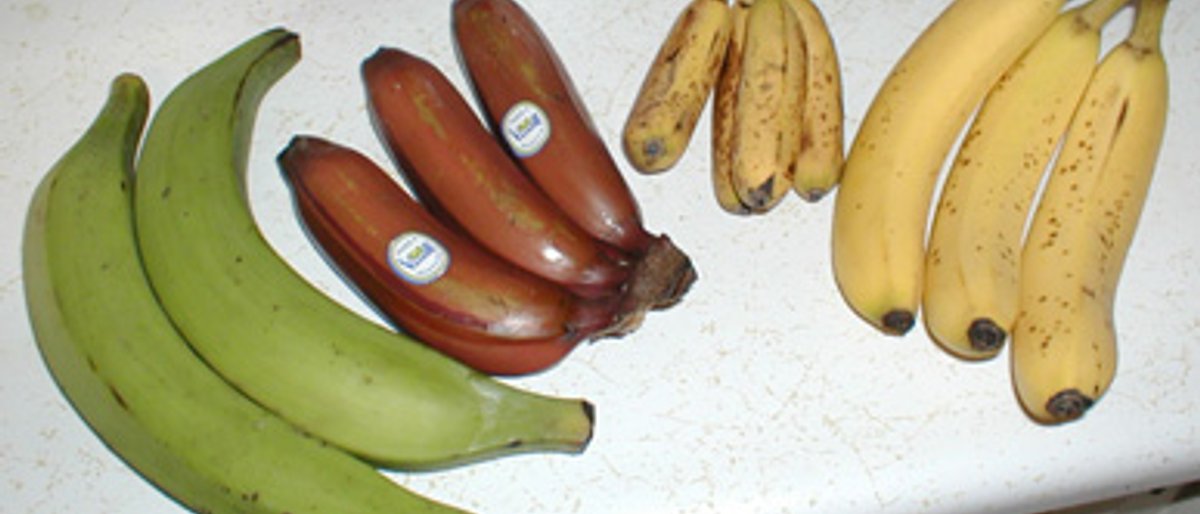
Smelling bananas and green apples may help reduce appetite and food cravings, according to research on how scents affect hunger signals.
Can Sniffing Fruit Really Curb Your Appetite?
Your nose might be the most underrated diet tool you own. Research suggests that simply smelling certain foods—particularly bananas and green apples—can help reduce appetite and curb cravings without eating a single bite.
Sounds too weird to be true? The science is actually pretty fascinating.
The Smell-Hunger Connection
Dr. Alan Hirsch, neurologist and founder of the Smell & Taste Treatment and Research Foundation in Chicago, conducted extensive studies on how scents affect eating behavior. His research involved over 3,000 volunteers and found that sniffing certain "neutral" sweet smells helped people feel more satisfied and eat less.
The magic scents? Bananas, green apples, and peppermint topped the list.
How It Actually Works
When you smell food, your brain receives signals that partially mimic the experience of eating. This triggers a response in the hypothalamus—the region that controls hunger and satiety.
- Sweet, pleasant scents can trick your brain into thinking you've already started eating
- The olfactory bulb connects directly to brain regions that process reward and satisfaction
- Prolonged sniffing may reduce the intensity of cravings
It's essentially a neurological shortcut. Your brain gets some of the sensory "reward" without the calories.
The Catch (Because There's Always One)
Before you start carrying a banana around like some kind of aromatic talisman, let's be realistic. Smelling fruit won't melt pounds off your body. The research suggests it may help with appetite management—reducing how much you want to eat, not magically burning fat.
And the effect isn't dramatic. We're talking about a potential tool for curbing mindless snacking, not a replacement for actual nutrition science.
Why Bananas and Green Apples?
These specific fruits have a few things going for them:
- Mild sweetness—satisfying without being overwhelming
- Fresh, clean scent profile—less likely to trigger actual hunger than, say, bacon
- Widely available—you can keep one on your desk without weird looks
Peppermint works similarly, which is why some weight-loss programs suggest sniffing peppermint oil before meals.
The Bigger Picture
This research fits into a growing understanding of how our senses influence eating behavior. Food marketing experts have known for decades that smell drives appetite—it's why bakeries vent their ovens toward the sidewalk and why movie theaters pump out that buttery popcorn aroma.
The banana trick is essentially using the same psychology in reverse.
Will sniffing a green apple transform your relationship with food? Probably not. But if you're reaching for a snack out of boredom rather than genuine hunger, taking a moment to inhale some fruit might be enough to break the cycle. At the very least, it's cheaper than most diet fads—and considerably less weird than some of them.
Enjoyed this? Get a new fact every morning.
A fascinating fact in your inbox every morning. Free. Unsubscribe anytime.
Frequently Asked Questions
Can smelling bananas help you lose weight?
What scents suppress appetite?
How does smell affect hunger?
Who researched smell and weight loss?
Verified Fact
This fact has been reviewed and verified against original sources.
Source: View sourceShow verification details
Corrected the claim - the research shows smelling these scents may help reduce appetite/cravings, not directly cause weight loss. The original overstated the effect.