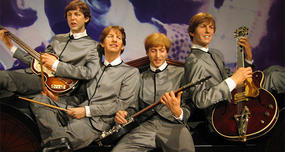
The song 'Strawberry Fields Forever', sung by the Beatles, refers to an orphanage located in Liverpool.
The True Story Behind The Beatles' Strawberry Fields Forever
The Beatles' classic 'Strawberry Fields Forever' is one of the most iconic and enigmatic songs in music history. Released in 1967 as a double A-side single with 'Penny Lane', its dreamlike melody and evocative lyrics have captivated generations. Many fans know it refers to a specific place, but the true story behind its inspiration often adds an even deeper layer of meaning to this psychedelic masterpiece.
Contrary to a simple landmark, 'Strawberry Field' was indeed a real place in Liverpool, England. It was a Victorian-era mansion that had been acquired by the Salvation Army in 1934 and converted into a children's home, or orphanage. The home opened its doors on July 7, 1936, providing care and shelter for disadvantaged children.
John Lennon's Childhood Haven
The significance of Strawberry Field lies deeply in the childhood memories of John Lennon, who grew up very close to the institution. As a young boy living with his Aunt Mimi, Lennon would often climb over the wall into the grounds of Strawberry Field to play. It was a place of refuge and imagination for him, a world away from his sometimes tumultuous home life.
These innocent childhood escapades left an indelible mark on Lennon's psyche. The gates of Strawberry Field became a symbol of escape and solace, a place where he could lose himself in play and reflection. It's this profound personal connection that he later channeled into the song, creating a sonic landscape that perfectly captured the wistful nostalgia and complex emotions of his youth.
The Song's Enduring Legacy
Lennon's experiences at Strawberry Field directly inspired the lyrics of 'Strawberry Fields Forever'. The song's introspective nature and its exploration of identity and reality are deeply intertwined with his memories of the children's home. Lines like "Living is easy with eyes closed / Misunderstanding all you see" are thought to reflect his longing for the perceived innocence of childhood and the comfort of his secret garden.
The song became a landmark in the development of psychedelic rock, pushing the boundaries of studio recording and songwriting. Its innovative production, featuring multiple takes blended together at different speeds, created an otherworldly sound that perfectly complemented its lyrical themes. It remains a testament to The Beatles' unparalleled creativity.
Strawberry Field Today: A New Purpose
The original children's home continued to operate until 2005, when the Salvation Army shifted its focus to modern foster care and smaller, community-based homes. The site, however, did not fade into obscurity. Recognizing its immense cultural importance, it underwent a significant transformation.
In 2019, Strawberry Field reopened to the public as a unique visitor attraction. It now features an immersive exhibition detailing its history, John Lennon's connection, and the work of the Salvation Army. It also includes a café, a shop, and a training center for young people with learning disabilities, continuing its legacy of supporting vulnerable individuals. The iconic red gates still stand, now welcoming visitors from all over the world to explore this legendary site.
Frequently Asked Questions
What was Strawberry Field before it inspired a Beatles song?
How did John Lennon know Strawberry Field?
Is Strawberry Field still an orphanage today?
What can you find at Strawberry Field now?
Why is 'Strawberry Fields Forever' considered an important song?
Verified Fact
This fact has been reviewed and verified against original sources.
Related Topics
More from Entertainment
View all Entertainment →