
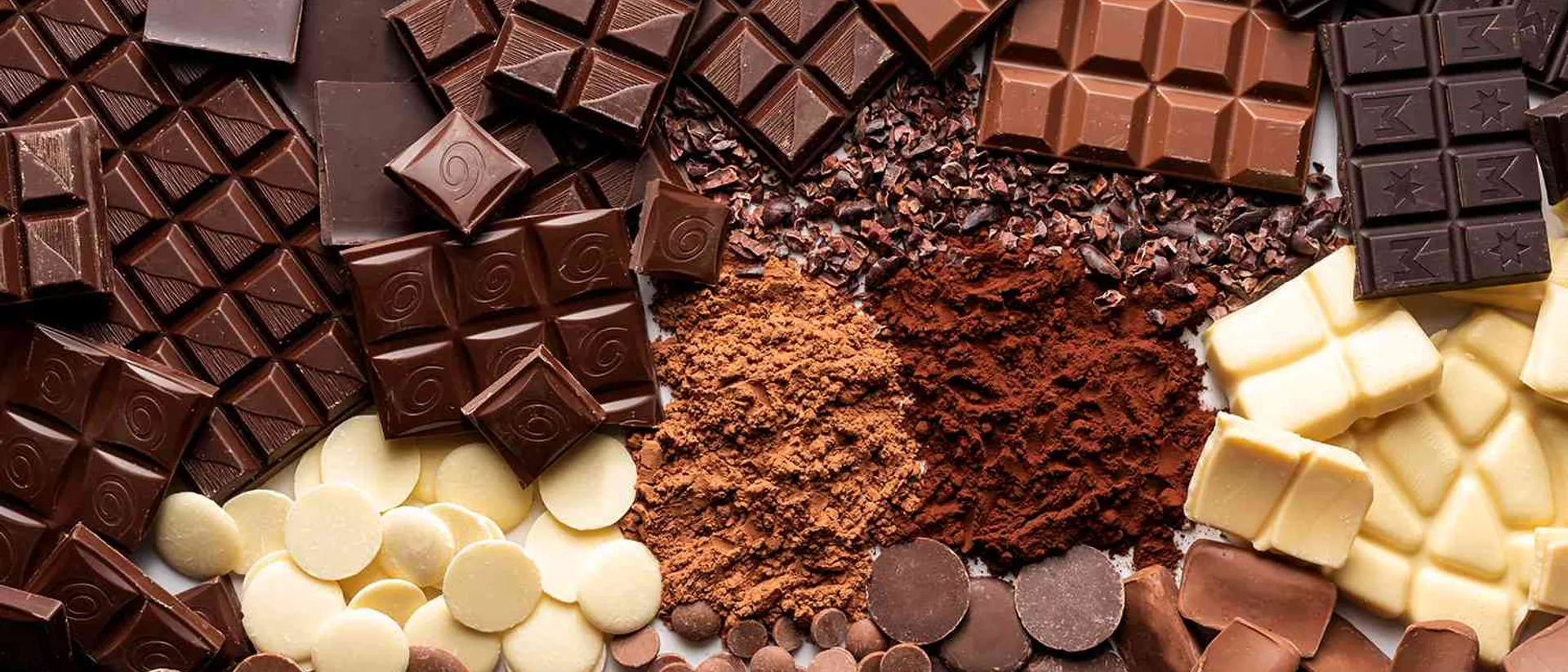
Chocolate was once considered medicine, prescribed by European doctors to treat angina and depression as late as the 19th century.
When Chocolate Was Medicine: A Bitter-Sweet History
Today, chocolate is the ultimate comfort food—savory, sweet, and undeniably indulgent. But would you believe that in 19th century Europe, your favorite treat might have come with a prescription?
The Bitter Beginnings of Chocolate
When chocolate first arrived in Europe from the Americas in the 16th century, it was more tonic than treat. Blended with spices and kept unsweetened, its bitter taste made it a promising candidate for the apothecary shelves. Doctors believed chocolate could increase energy, improve digestion, and even balance bodily humors.
From Luxury to Medicine
By the 1700s and 1800s, chocolate had become increasingly refined and accessible among the wealthy—and soon, among broader society. European physicians began prescribing it as a remedy for a surprising range of ailments: from alleviating chest pain caused by angina to treating symptoms of melancholy and depression. It was even thought to aid digestion and improve sleep.
Chocolate’s Role in Medical History
The famous French physician Jean-Anthelme Brillat-Savarin called chocolate a 'wholesome and nutritious food,' and the British medical journal "The Lancet" in 1847 recommended it for invalids recovering from illness. Advertisements from the time promoted chocolate as both nutritious and restorative, especially for children and the elderly.
Why Was Chocolate Prescribed?
Scientists now know that chocolate contains theobromine and small amounts of caffeine—stimulants known to boost mood and alertness. In the days before modern antidepressants and heart medications, even this mild effect made chocolate seem medicinal.
From Pharmacy to Candy Shop
As the 20th century unfolded, advances in medicine offered more targeted remedies, and chocolate migrated from the pharmacist’s counter to the candy aisle. While doctors rarely prescribe chocolate today, studies still show dark chocolate can have modest cardiovascular benefits—proving history was (partly) onto something after all.
The next time you enjoy a piece of chocolate, you can savor it with a hint of history, knowing your ancestors once ate it with doctor’s orders!
Frequently Asked Questions
What conditions was chocolate prescribed for?
When did chocolate stop being considered medicine?
Did chocolate actually work as medicine?
Is chocolate still used for health today?
Verified Fact
This fact has been reviewed and verified against original sources.
Source: View sourceShow verification details
Referenced in medical history works and period publications. See sources: Smithsonian Magazine (smithsonianmag.com), The Lancet archives, and "A Brief History of Chocolate" (history.com).