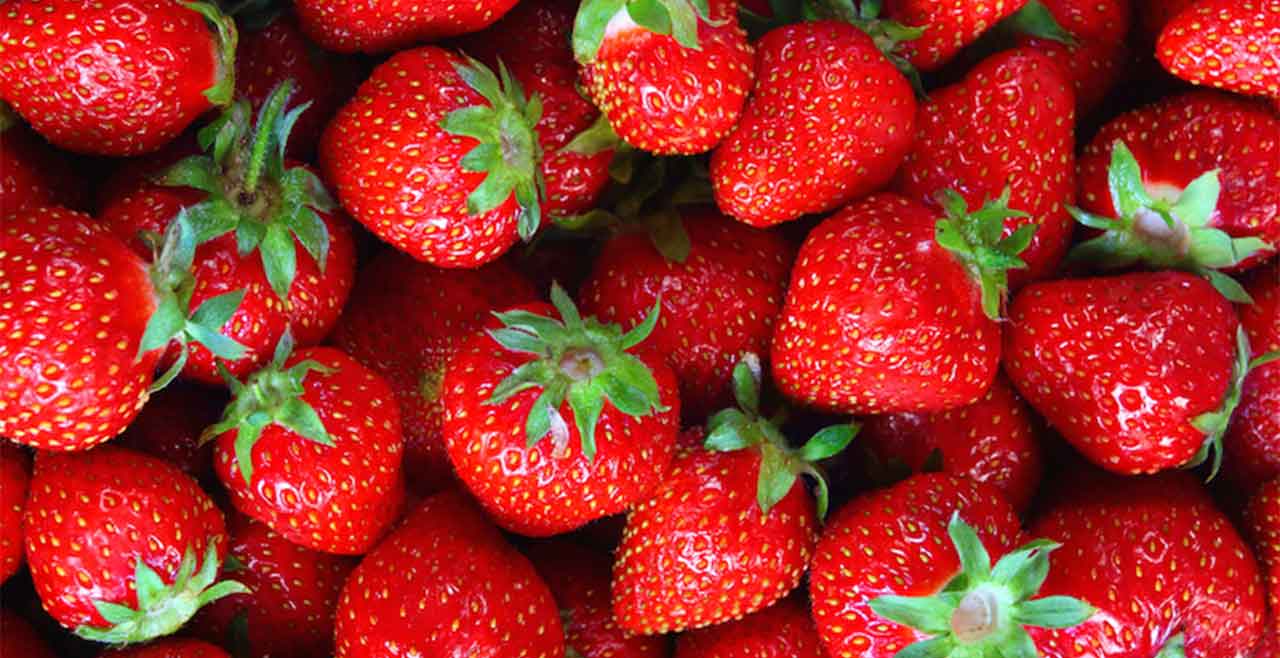
Nobody really knows where strawberries got their name.
The Mysterious Origins of the Word 'Strawberry'
Next time you're shopping for strawberries, take a moment to consider something strange: nobody actually knows where the name "strawberry" came from. Seriously. Despite centuries of cultivation and countless etymological investigations, the origin of this everyday word remains a genuine mystery.
Unlike most fruits—which have clear linguistic roots—the word "strawberry" is uniquely English. It doesn't appear in other Germanic languages in any similar form. There's no German "Strohbeere" or Dutch "stroobessen." This linguistic isolation makes tracing its origin nearly impossible.
The Leading Theories
Etymologists have proposed several explanations over the years, but none have achieved consensus:
- "Strew" berries – The plant's runners "strew" or spread across the ground, scattering new plants everywhere
- Straw mulching – Medieval farmers placed straw around plants to protect the fruit from soil and moisture
- Straw-like particles – The tiny yellow seeds on the surface resemble bits of dried straw
- Stringing tradition – Children historically threaded strawberries on grass straws to carry them home from the fields
Each theory sounds plausible. Each has its defenders. But here's the problem: we have no documentary evidence proving any of them.
The Historical Record Falls Short
The word appears in Old English as "streawberige" around 1000 CE, but the texts don't explain why it's called that. By the time people started writing about word origins systematically, the true etymology had already been lost to time.
What makes this particularly frustrating is that strawberries were incredibly common in medieval England. They grew wild everywhere. People ate them, cultivated them, and clearly had a name for them—but nobody bothered to write down why they called them that.
The straw-mulching theory gained popularity in the 19th century, but it's almost certainly backwards reasoning. Farmers may have used straw around strawberry plants, but that doesn't mean the practice gave the fruit its name. It could just as easily be the other way around—or complete coincidence.
Why This Mystery Matters
The strawberry naming puzzle highlights how much linguistic history we've simply lost. Common words we use every day often have untraceable origins. We assume everything has a clear answer, but sometimes the past is just... gone.
Modern linguists have largely accepted that the true origin may never be known. Without a time machine or newly discovered Old English texts that explicitly discuss the naming, we're left with educated guesses.
So the next time someone confidently tells you strawberries are named after straw mulch, you can politely correct them: nobody actually knows. And that's okay. Some mysteries don't need solving—they just need acknowledging.
What we do know is that English speakers have been enjoying these red, seed-studded berries for over a thousand years, regardless of what we call them. The name's origin might be lost, but the fruit's deliciousness certainly isn't.
Frequently Asked Questions
Why is the strawberry called a strawberry?
What is the history behind the strawberry's name?
Is there a definitive origin story for the word strawberry?
Did strawberries get their name from the straw used to grow them?
What do the runners on strawberry plants have to do with their name?
Verified Fact
This fact has been reviewed and verified against original sources.
Show verification details
Multiple credible theories exist (strew/spread, straw particles, stringing tradition), but etymologists confirm no consensus.