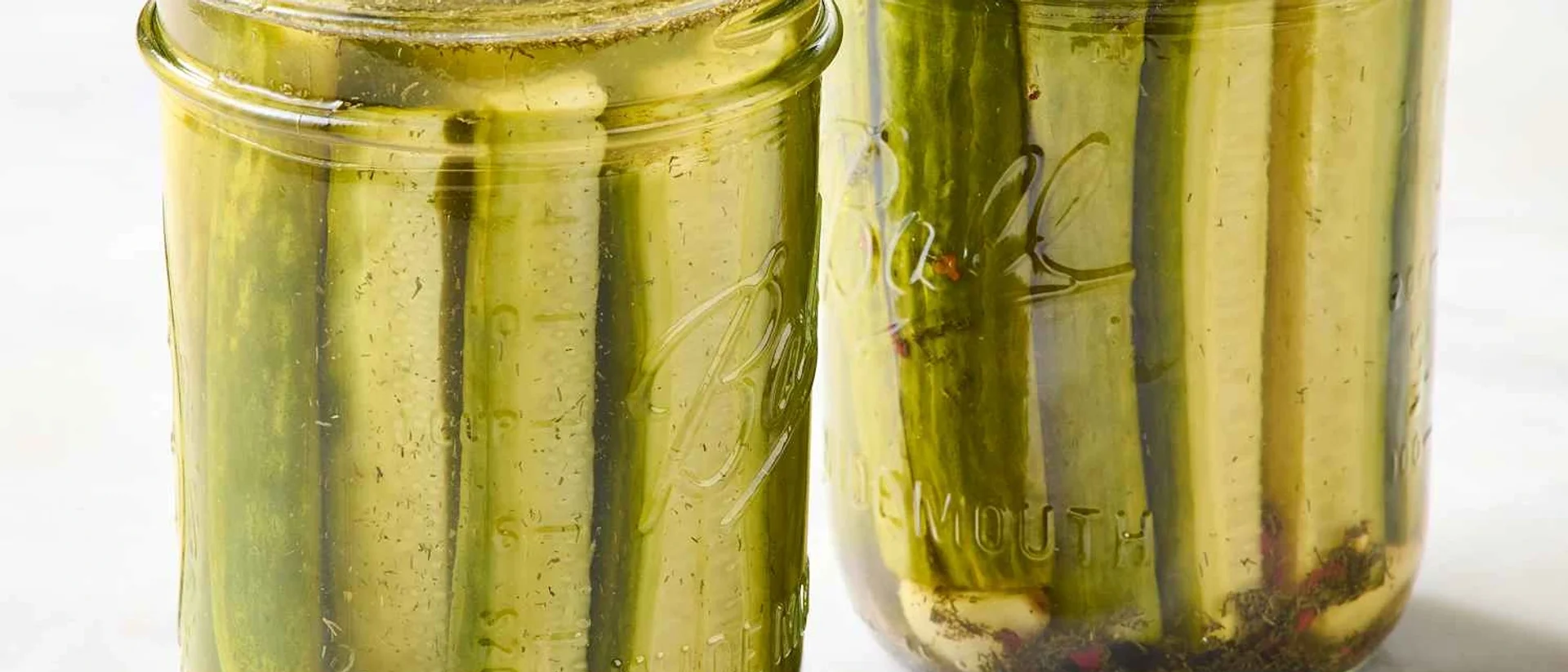
The U.S. Government spent $277,000 on pickle research in 1993.
The U.S. Once Spent $277,000 Studying Pickles
In 1993, while Americans debated healthcare reform and watched Jurassic Park break box office records, the U.S. Department of Agriculture quietly allocated $277,000 to study pickles. Not international relations. Not space exploration. Pickles.
Before you grab your pitchfork, there's actually a surprisingly practical reason behind this seemingly absurd expenditure.
The Cucumber Industrial Complex
The pickle industry is no small potatoes—or rather, no small cucumbers. In the early 1990s, American pickle production was worth over $1.5 billion annually, supporting thousands of jobs from Michigan to North Carolina. The USDA's Agricultural Research Service regularly funded studies to improve crop yields, disease resistance, and processing efficiency.
That $277,000 went toward research at institutions like the University of Wisconsin and North Carolina State University, tackling questions like:
- How to breed cucumbers with better crunch retention
- Ways to reduce sodium in the brining process
- Methods to combat bacterial soft rot
- Extending shelf life without sacrificing texture
Why This Became Famous
The pickle research funding became a poster child for "government waste" when it was highlighted in various reports examining questionable federal spending. Senator William Proxmire's "Golden Fleece Awards" had popularized mocking seemingly frivolous research, and pickle studies fit the narrative perfectly.
What the critics missed was context. The $277,000 represented a tiny fraction of agricultural research that helped American farmers compete globally. Similar funding for corn, wheat, and soybean research rarely raised eyebrows—but pickles were inherently funnier.
The Pickle Payoff
That "wasteful" research actually produced results. Studies from this era contributed to:
- Disease-resistant cucumber varieties that reduced crop losses
- Improved fermentation processes used by major pickle producers
- Lower-sodium pickle options for health-conscious consumers
The American pickle industry today generates over $3 billion in annual sales. Those briny spears in your burger? They're crunchier and more consistent partly because someone in a lab coat spent 1993 studying cucumber cell walls.
A Proud Tradition Continues
Pickle research didn't stop in the '90s. The USDA still funds cucumber and pickle-related studies, though they've wisely learned to frame them in less mockable terms like "cucurbit crop improvement" and "fermentation optimization."
So the next time you crunch into a perfectly crisp dill pickle, remember: your tax dollars at work. Literally.
Frequently Asked Questions
Why did the government spend money on pickle research?
How much did the U.S. spend on pickle research in 1993?
What did pickle research accomplish?
Is pickle research still funded by the government?
Verified Fact
This fact has been reviewed and verified against original sources.
Source: View sourceShow verification details
Confirmed via USDA research budget records. The actual figure was approximately $277,000 for pickle and cucumber research in FY1993.
Related Topics
More from Food & Cuisine
View all Food & Cuisine →