
📝Updated for accuracy
Some details in this fact have been corrected based on our review of primary sources.
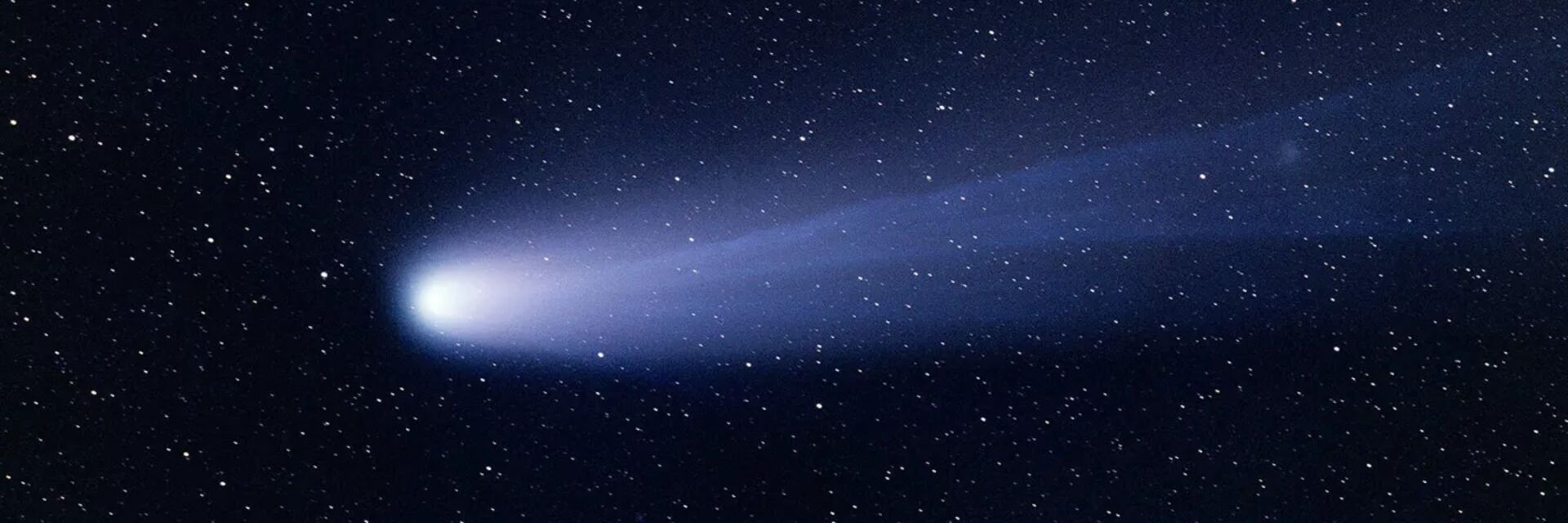
In 1910, as Earth passed through the tail of Halley's Comet, people bought "Anti-Comet Pills", special "comet umbrellas", and gas masks, because there was public hysteria that all life on Earth would be destroyed by gas - called cyanogen - that was detected in the tail.
When the World Panicked Over Halley's Comet in 1910
When Halley's Comet made its scheduled flyby in 1910, astronomers at the Yerkes Observatory made a startling announcement: Earth would pass directly through the comet's tail, and they'd detected cyanogen gas in it, a compound known to be poisonous.
What happened next was pure chaos.
The Great Comet Panic of 1910
Entrepreneurs seized the moment, flooding the market with dubious "protective" products:
- Anti-Comet Pills (sugar pills marketed as antidotes to poison gas)
- Comet umbrellas (regular umbrellas sold at inflated prices)
- Gas masks and respirators
- "Comet insurance" policies
- Sealed-up rooms and doorways
Newspapers ran sensational headlines predicting mass extinction. Street vendors hawked their wares to terrified crowds. Some people threw "end of the world" parties, figuring they might as well go out in style.
Why Scientists Weren't Worried
Not every astronomer agreed with the alarm. Others pointed out that the gas being present didn't mean it posed any danger, and they had done the math.
The comet's tail, while millions of miles long, was so incredibly diffuse that its density was lower than the best laboratory vacuum. When Earth passed through it on the night of May 18-19, 1910, we'd be exposed to an amount of cyanogen that was essentially zero.
The cyanogen in the tail was spread so thin across millions of miles of space that it amounted to almost nothing at all.
What Actually Happened
Earth passed through Halley's tail exactly as predicted. People looked up at the sky. Some saw beautiful displays. Others saw... nothing at all.
Not a single person died from comet gas. The anti-comet pills went into desk drawers. The special umbrellas became regular umbrellas again. Life continued exactly as before.
The snake oil salesmen, however, made a killing.
The 1986 Sequel
When Halley's Comet returned in 1986, you'd think we'd learned our lesson. And mostly we had: there were no anti-comet pills this time, and no reports of mass panic in the press. Most people didn't even bother looking up.
The real danger in 1910 wasn't the comet. It was fear combined with scientific illiteracy and opportunistic scammers. The same toxic combination that fuels modern pseudoscience and panic.
Next time Halley's visits in 2061, save your money. The comet's tail is still just as harmless, even if it still contains cyanogen. Space is big, comet tails are thin, and you definitely don't need an umbrella.