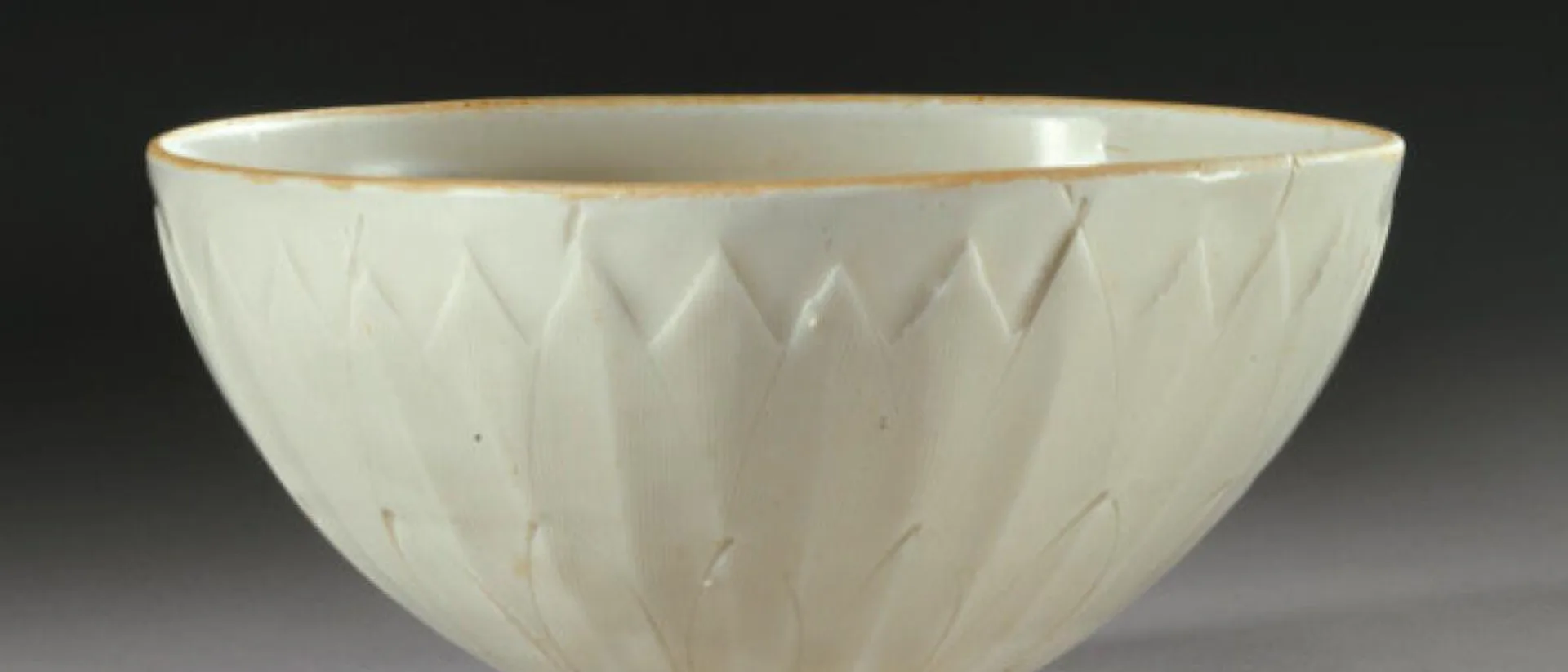
A family bought a small white bowl for $3 at a yard sale in upstate New York in 2007 and kept it on their living room shelf for six years. It turned out to be a 1,000-year-old Northern Song Dynasty "Ding" bowl - one of only two known to exist. It sold at Sotheby's for $2.2 million. The other one is in the British Museum.
The $3 Bowl That Sold for $2.2 Million
Somewhere in upstate New York in the summer of 2007, a family stopped at a neighborhood tag sale and picked up a small white bowl for about $3. It looked nice enough - five inches across, with a subtle carved leaf design - so they brought it home and set it on a shelf in their living room. It sat there for six years.
A Shelf Decoration Worth a Fortune
At some point, the family grew curious about the bowl's origins and decided to have it appraised. What came back stunned everyone involved. The bowl was identified as Northern Song Dynasty "Ding" ware, a type of white porcelain produced in northern China roughly 1,000 years ago. Ding ware is among the most prized and sought-after ceramics from that era, known for its ivory-white glaze and delicate carved decoration.
The Sotheby's Auction
The bowl was consigned to Sotheby's Fine Chinese Ceramics and Works of Art auction in New York in March 2013. The pre-sale estimate was $200,000 to $300,000 - already a staggering return on a $3 purchase. But when bidding opened, four determined buyers drove the price far beyond expectations. The hammer fell at $2,225,000, more than 11 times the high estimate.
The Buyer Who Called It Perfect
The winning bidder was Giuseppe Eskenazi, a London dealer with over 30 years of experience in Chinese art. He described the bowl as "absolutely perfect" - no crack, no chip, no imperfection of any kind. He told reporters he had been considering the bowl for six months and was prepared to bid even higher.
One of Two in the World
What makes this bowl truly extraordinary is its rarity. According to Sotheby's, the only other known bowl of the same size, form, and nearly identical decoration has been in the collection of the British Museum in London for over 60 years. A $3 tag sale find turned out to be the twin of a museum masterpiece.
Frequently Asked Questions
What is a Ding bowl?
How much did the yard sale bowl sell for at auction?
Who bought the Ding bowl at Sotheby's?
Where is the only other known bowl like it?
Verified Fact
This fact has been reviewed and verified against original sources.
Source: CBS NewsShow verification details
Core claims confirmed: $3 purchase at tag sale in upstate New York (summer 2007), displayed in living room, identified as Northern Song Dynasty Ding bowl (~1,000 years old), 5-inch diameter with carved leaf design, pre-sale estimate...