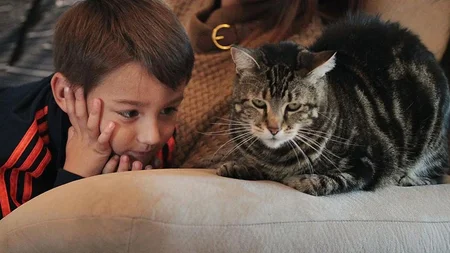
Alexander Selkirk, a Scottish sailor, was left stranded on a deserted island in 1704, but survived for over 4 years, partly by using feral cats to protect him from ravenous rats that attacked during the night.
The Castaway Who Befriended Cats to Survive Four Years
In 1704, Scottish sailor Alexander Selkirk made a decision that would define survival literature for centuries: he demanded to be left on an uninhabited island rather than continue on a deteriorating ship. The crew obliged, marooning him on Más a Tierra Island in the Juan Fernández archipelago, 400 miles off the Chilean coast.
What followed was four years and four months of complete isolation—and an unlikely alliance with the island's feral cat population.
The Rat Problem
Selkirk quickly discovered he wasn't alone. The island teemed with aggressive rats, descendants of stowaways from previous ships. These weren't timid creatures—they were bold, hungry, and attacked while he slept.
The sailor faced a brutal choice: find a defense or endure nightly assaults that could lead to infection, blood loss, or worse.
An Unexpected Partnership
Fortunately, the island also hosted a population of feral cats, likely left by Spanish sailors decades earlier. Selkirk began domesticating them, using food to earn their trust.
The cats became his nocturnal guardians. While he slept, they hunted the rats that had been terrorizing him. This symbiotic relationship proved essential—historical accounts from his rescue confirm the cats' protective role.
Daily Life in Isolation
Beyond rat defense, Selkirk adapted remarkably well:
- Built two huts from pimento wood
- Hunted feral goats for meat and clothing
- Fashioned a knife from barrel hoops
- Sang psalms and read his Bible to maintain sanity
His feet toughened so much from going barefoot that he could outrun goats across rocky terrain.
The Rescue
On February 1, 1709, privateer Captain Woodes Rogers spotted the island and sent a landing party. They found a wild-looking man dressed in goatskins, barely able to speak English after years without human conversation.
Selkirk was so physically capable that Rogers immediately made him mate of his ship. His survival skills had actually improved his value as a sailor.
The Literary Legacy
Selkirk's story directly inspired Daniel Defoe's "Robinson Crusoe" (1719), published just a decade after his rescue. While Defoe added fictional elements—notably the character Friday—the core survival narrative came from Selkirk's documented experience.
The cats didn't make it into Crusoe's story, but they made all the difference in the real one. Without these feral felines, Selkirk might not have survived long enough to become literature's most famous castaway.
Today, Más a Tierra Island has been renamed Robinson Crusoe Island in honor of the fictional character it inspired—a permanent reminder that sometimes the most extraordinary true stories need a little help from our feline friends.
Frequently Asked Questions
Who was Alexander Selkirk?
How did Alexander Selkirk survive on the island?
Why were rats such a problem for Alexander Selkirk?
How long was Alexander Selkirk stranded?
What happened to Alexander Selkirk after he was rescued?
Verified Fact
This fact has been reviewed and verified against original sources.
Source: View sourceShow verification details
All key details confirmed: Selkirk was a Scottish sailor marooned in September/October 1704 on Más a Tierra Island (Juan Fernández archipelago), survived 4 years and 4 months until rescue on February 1, 1709, and domesticated feral cats to...
Related Topics
More from History & Culture
View all History & Culture →