
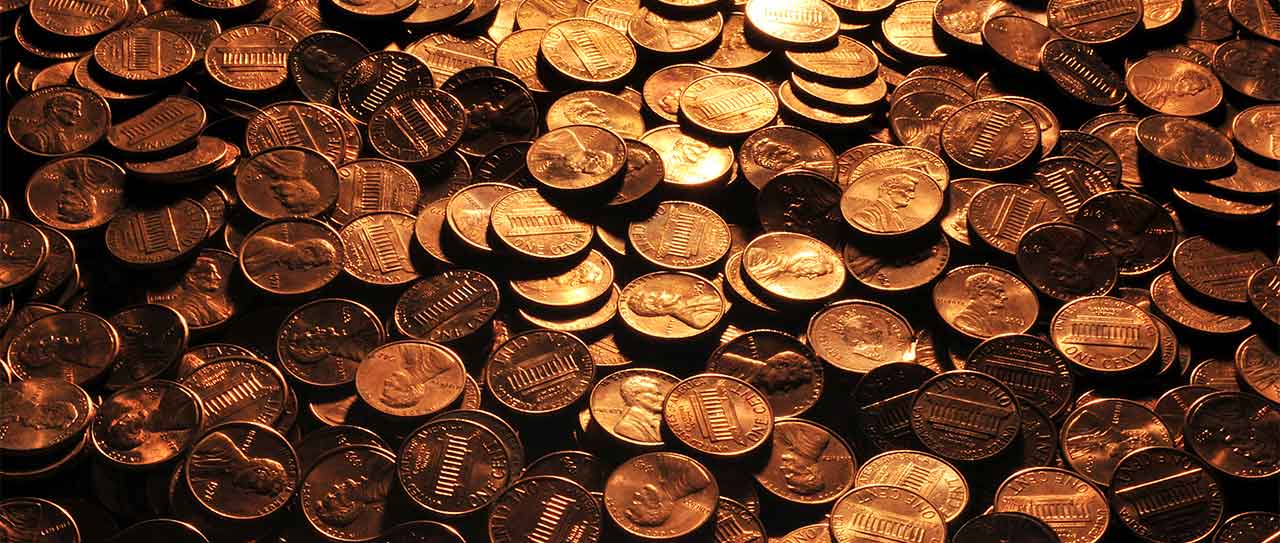
In 1987, an 18-year-old freshman named Mike Hayes funded his education by asking 2.8 million people for one penny.
Student Funded College by Asking 2.8M People for a Penny
Picture this: It's 1987, and you're an 18-year-old kid staring down four years of college tuition with empty pockets. What do you do? If you're Mike Hayes, you ask 2.8 million Americans to send you a penny.
And they actually did it.
The Letter That Changed Everything
Mike Hayes wasn't born with a trust fund or a full-ride scholarship. He was just a University of Illinois freshman with a wild idea and the guts to try it. He wrote a letter to Bob Greene, a columnist at the Chicago Tribune, explaining his situation and making an unusual pitch: if enough people sent him just one cent, he could pay for college without drowning in debt.
Greene published the letter. What happened next stunned everyone.
America Responded With Pocket Change
The story caught fire. Media outlets across the country picked it up, and suddenly Mike Hayes became the guy funding his education one penny at a time. Envelopes started flooding in—some with single pennies taped to index cards, others with rolls of coins, a few with dollar bills from people who wanted to send more than asked.
The final tally? Over $28,000 from approximately 2.8 million people. That's enough to cover four years of tuition, room, and board at a public university in the 1980s. Hayes had essentially crowdfunded his degree before crowdfunding was even a word.
Why Did It Work?
The brilliance of the "Send Mike a Penny" campaign wasn't just its simplicity—it was the psychology behind it. Hayes understood something fundamental about human nature:
- The ask was impossibly small - One penny feels like nothing, so there's no mental barrier to giving
- The story was relatable - College costs were rising, and people sympathized with a kid trying to avoid debt
- Participation felt fun - Sending a penny wasn't charity; it was being part of something clever and unusual
- The math was inspiring - People could see how their tiny contribution added up to something real
It also helped that 1987 was a different media landscape. A story like this could spread through newspapers and TV without getting lost in the digital noise we have today. No spam filters, no GoFundMe fatigue—just a simple human story that people wanted to be part of.
The Aftermath
Hayes graduated debt-free in 1991, having proven that sometimes the most audacious ideas are the ones that work. He didn't just fund his education—he demonstrated the power of micro-contributions at massive scale, a concept that would later become the foundation of platforms like Kickstarter and Patreon.
The campaign also revealed something hopeful about human nature. Nearly three million people took time out of their day to help a stranger they'd never meet. They addressed envelopes, found stamps, and dropped pennies in the mail because the idea charmed them. In an era often remembered for excess and individualism, millions chose generosity.
Today, Mike Hayes' story stands as a reminder that innovation doesn't always mean high-tech solutions. Sometimes it just means asking the right question in the right way—and trusting that people, when given an easy path to help, will surprise you.
Frequently Asked Questions
What is the penny fundraiser that Mike Hayes did?
Why did Mike Hayes ask people for pennies instead of dollars?
How much money did Mike Hayes raise from his penny campaign?
Did Mike Hayes actually succeed in funding his college education with pennies?
When did Mike Hayes do his penny fundraiser?
Verified Fact
This fact has been reviewed and verified against original sources.
Show verification details
Mike Hayes, a University of Illinois freshman in 1987, successfully funded his education through his 'Send Mike a Penny' campaign. He sent letters to Bob Greene, a Chicago Tribune columnist, who published his appeal. The story was picked up by media across the country, and Hayes ultimately received over $28,000 in penny donations from approximately 2.8 million people.