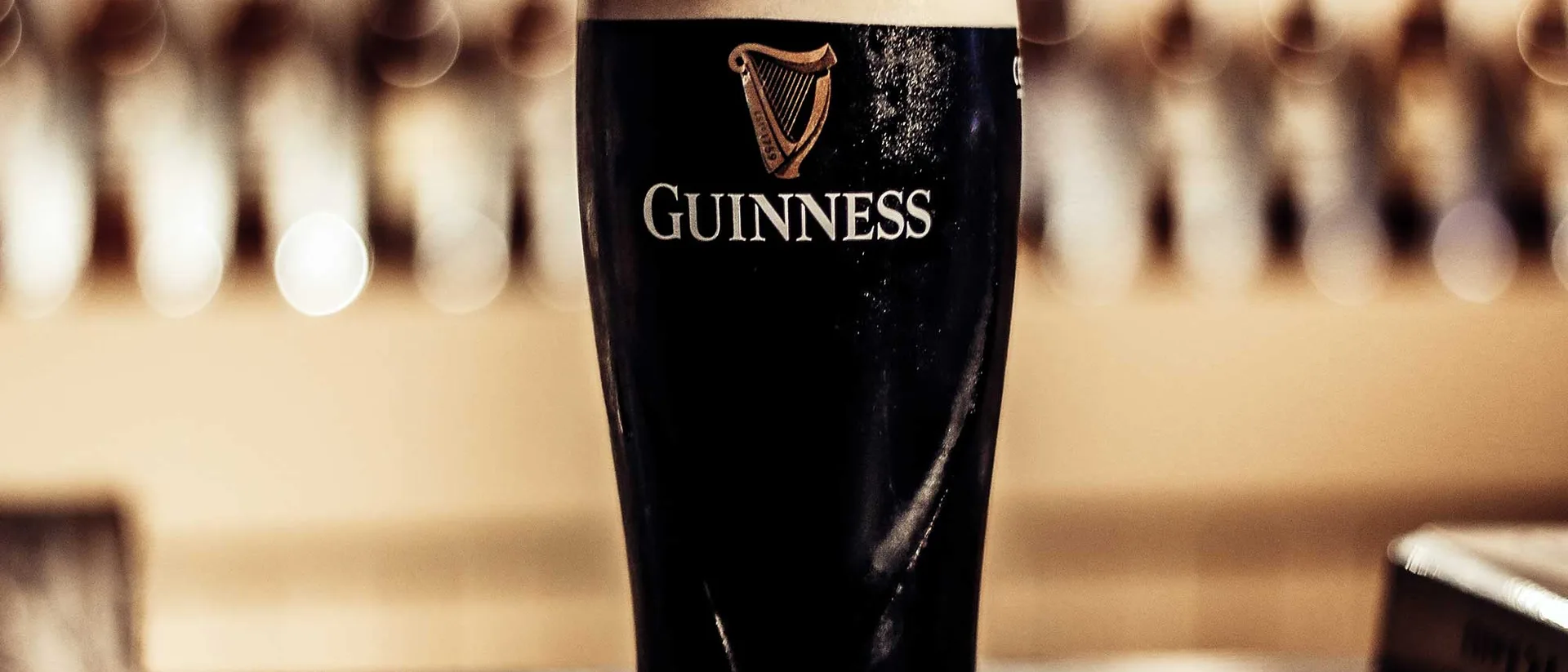
The Guinness Book of Records was originally published by Guinness Breweries as a reference for settling bar arguments.
Guinness Book of Records: Born From a Bar Argument
Picture this: November 10, 1951. Sir Hugh Beaver, managing director of Guinness Breweries, is out hunting in County Wexford, Ireland. He takes a shot at a golden plover and misses. No big deal, right? Except that night, back at Castlebridge House, he gets into a heated debate about whether the golden plover or the red grouse is Europe's fastest game bird.
The argument couldn't be settled. There was no reference book to consult. And in that moment of frustration, Beaver had a revelation: people must be having these exact same arguments in pubs every single night.
From Brewery Marketing to Global Phenomenon
Beaver knew a marketing goldmine when he saw one. In 1954, he hired twin brothers Norris and Ross McWhirter—fact-finding researchers from Fleet Street—to compile a book that could settle bar disputes once and for all. The mission was simple: create the ultimate reference guide for the kinds of random trivia people argue about over pints.
The McWhirter twins went to work with obsessive dedication. They cranked out the first manuscript in just 13.5 weeks of 90-hour workweeks, including weekends and bank holidays. No days off. Just pure, caffeinated fact-gathering.
Free Pints, Free Books
On August 27, 1955, the first 198-page edition was bound at The Guinness Book of Records office at 107 Fleet Street, London. Guinness printed a thousand copies and gave them away for free to pubs across Britain and Ireland. It was brilliant marketing: every pub now had the definitive answer to settle arguments about the tallest mountain, the longest river, or the fastest bird.
By Christmas 1955, the book had rocketed to the top of the British bestseller list. What started as a promotional gimmick for beer had become a cultural phenomenon.
The Legacy of a Missed Shot
Think about the chain of events: if Sir Hugh Beaver had better aim with that golden plover, we might never have gotten Guinness World Records. The book has since become the authority on everything from the world's tallest person to the most Big Macs eaten in a lifetime. It's been translated into dozens of languages and sold hundreds of millions of copies.
And while Guinness the beer company and Guinness World Records split ownership in 2001, they'll forever share that origin story. In 2025, GWR editor Craig Glenday even made a pilgrimage to the exact spot in Ireland where Beaver had his argument, calling it "a really important part of Guinness World Records history."
So the next time you're in a pub argument about who holds the record for longest fingernails or heaviest pumpkin, remember: you're participating in the exact tradition that created the world's bestselling copyrighted book. Sir Hugh Beaver would be proud.
Just maybe don't miss the bird.
Frequently Asked Questions
Why was the Guinness Book of Records created?
When was the first Guinness Book of Records published?
Who wrote the original Guinness Book of Records?
Is Guinness World Records still owned by Guinness beer?
What argument started the Guinness Book of Records?
Verified Fact
This fact has been reviewed and verified against original sources.
Show verification details
Confirmed accurate. The Guinness Book of Records was indeed created by Guinness Breweries in 1954-1955 specifically to settle pub arguments. The idea came from Sir Hugh Beaver's 1951 hunting party debate about the fastest game bird.
Related Topics
More from History & Culture
View all History & Culture →