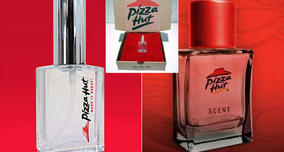
Historically, sweat has been an active ingredient in perfume and love potions.
Sweat Was Actually Used in Perfume and Love Potions
Throughout history, humans have understood something science would later confirm: our natural scent matters. While today's perfume industry focuses on flowers and spices, our ancestors took a far more direct approach—they used actual sweat as an ingredient in love potions and early perfumes.
In ancient Egypt, perfume itself was considered the "sweat of the sun god Ra." This poetic connection between fragrance and bodily secretions wasn't just metaphorical. Egyptians recognized that natural body odors played a role in attraction, even as they pioneered the art of perfumery for spiritual and romantic purposes.
The Cockle Bread Phenomenon
Perhaps the most unusual historical practice involving sweat appeared in 17th-century England, documented in John Aubrey's manuscript Remaines of Gentilisme and Judaisme (1686-1687). Young women engaged in a ritual called "moulding of cockle-bread," where they would knead dough against their bodies—particularly their buttocks and breasts—before baking it.
The resulting bread, infused with their sweat and scent, would be offered to a desired lover as a love charm. Some food historians dismiss this as "fakelore," but the practice was documented in multiple sources and had even earlier precedents. The medieval text Decretum by Burchard of Worms (circa 1000 AD) specifically outlawed women from kneading dough with their behinds, suggesting the practice was common enough to warrant prohibition.
The Science Behind the Superstition
Our ancestors might have been onto something. Modern research has found that women wearing perfume laced with synthetic sweat compounds received three times more sexual attention from men than those who didn't. The scent of sweat may signal fertility and genetic compatibility—key factors in mate selection that humans have responded to instinctively for millennia.
From ancient times through the medieval period and beyond, people understood that bodily odors carried information about potential mates. What they called "love magic" was really just strategic use of pheromones—chemical signals that communicate sexual availability and genetic fitness.
Modern Echoes
Today's fragrance industry has cleaned up the concept considerably. Instead of actual sweat, modern pheromone perfumes use synthetic compounds designed to mimic human scent signals. These products, marketed as attraction enhancers, are essentially a sanitized version of what our ancestors practiced centuries ago.
The connection between scent and attraction remains powerful. Whether it's ancient Egyptians invoking the sweat of gods, medieval women baking body-scented bread, or modern consumers buying pheromone-enhanced fragrances, humans have always recognized that sometimes the most alluring perfume is the one we make ourselves.
Frequently Asked Questions
Was sweat really used in historical perfumes?
What was cockle bread and how was it made?
Do pheromone perfumes actually work?
Why did ancient people use sweat in love potions?
Is cockle bread still made today?
Verified Fact
This fact has been reviewed and verified against original sources.
Show verification details
Fact is accurate - sweat was indeed used in historical love charms (cockle bread in 17th-century England) and the concept of perfume was tied to bodily secretions (ancient Egypt's 'sweat of the gods').