Pilgrims did not eat with forks. They only used spoons, knives, and their fingers.
The Forkless Feasts of the Pilgrims
A Fork in the Road Not Taken: Pilgrim Dining
Imagine a Thanksgiving feast without forks. For the Pilgrims of the 17th century, this wasn't an oversight; it was simply how they ate. While modern diners might find the idea peculiar, early European settlers, including the Pilgrims, relied on a more direct approach to their meals. Forks were not a common utensil in their world, leading to a dining experience quite different from our own.
During the 1600s, when the Pilgrims established their settlements in North America, the fork was still a relatively new and somewhat controversial innovation in Western Europe. It had slowly made its way from the Byzantine Empire to Italy, then gradually to other parts of the continent. However, its adoption was far from universal, especially among the working classes and in cultures that valued direct contact with food.
The Utensils of Choice
So, if not forks, then what? The Pilgrims' primary eating tools were much more familiar: spoons, knives, and their own two hands. This wasn't a sign of primitiveness but rather a reflection of the prevailing customs and practicalities of the era.
- Spoons: Essential for consuming porridges, stews, and other soft foods common in their diet. Wooden and pewter spoons were widely used.
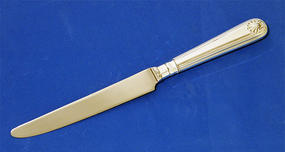
- Knives: Every diner typically carried their own personal knife. These were multi-purpose tools, used for cutting meat, spearing food, and even for preparing ingredients.
- Fingers: The most ancient and readily available utensil. Eating with hands was perfectly acceptable and common, particularly for dishes that could be easily managed without a fork.
Communal eating was also common, with diners often sharing trenchers (large pieces of stale bread used as plates) and dipping directly into shared bowls of food. Good manners, in this context, involved keeping hands relatively clean and not reaching too greedily.
The Slow Rise of the Fork
The journey of the fork to widespread acceptance was a long and winding one. Originating in the Middle East, forks were known in Europe as early as the 11th century but faced considerable resistance. Many viewed them as an unnecessary affectation, even unhygienic, or overly delicate. Some religious figures even condemned them, seeing the fork as an affront to God's natural design for human hands.
It was primarily among the Italian and later the French aristocracy during the Renaissance that forks began to gain a foothold. Even then, it took centuries for them to become a staple on most European tables. By the time the Pilgrims sailed to America, forks were still largely a curiosity or a luxury, not an everyday item for the average person.
Beyond the Utensil
Understanding Pilgrim dining habits offers a fascinating glimpse into their daily lives and cultural norms. Their lack of forks wasn't a hardship but simply a different way of interacting with food, shaped by centuries of tradition and the practical realities of their time. It reminds us that our most common tools and customs are often the product of long historical evolution, and what seems indispensable today was once revolutionary, or even nonexistent.
The next time you sit down to a meal, take a moment to appreciate the humble fork. It represents not just a piece of cutlery, but a tangible link to a rich history of culinary innovation and changing social etiquette.
Frequently Asked Questions
Did Pilgrims use forks?
What eating utensils did Pilgrims use?
When did forks become common in Europe?
Why didn't Pilgrims use forks?
Verified Fact
This fact has been reviewed and verified against original sources.
Related Topics
More from History & Culture
View all History & Culture →