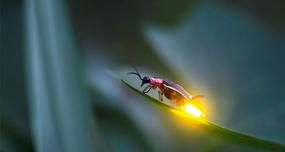
Spanish Fly, the infamous supposed aphrodisiac, is actually made from crushed blister beetles and is highly toxic—it causes inflammation that was mistaken for arousal!
Spanish Fly: The Toxic Beetle Behind the Myth
For centuries, Spanish Fly has been whispered about as the ultimate love potion. The reality? It's made from crushed emerald-green beetles and it's more likely to kill you than kindle romance.
The substance comes from the blister beetle (Lytta vesicatoria), a metallic green insect found across southern Europe. When threatened, these beetles secrete cantharidin—a potent chemical weapon that causes severe blistering on contact with skin.
A Dangerous Misunderstanding
So how did a beetle toxin become associated with passion? When ingested, cantharidin irritates the urinary tract and genitals, causing swelling and inflammation. This irritation was historically mistaken for sexual arousal.
The "aphrodisiac" effect is actually your body screaming in distress.
From Roman Orgies to Renaissance Scandals
Spanish Fly has a surprisingly long rap sheet:
- Roman empress Livia allegedly slipped it into guests' food to encourage scandalous behavior she could later use as blackmail
- The Marquis de Sade was sentenced to death in 1772 for poisoning prostitutes with cantharidin-laced sweets (he fled and the sentence was later reduced)
- Throughout the 18th and 19th centuries, countless deaths were attributed to Spanish Fly poisoning
The Grim Reality
Cantharidin is extraordinarily toxic. A dose as small as 10 milligrams can be fatal to humans. Symptoms of poisoning include:
- Severe burning in the mouth and throat
- Bloody urine
- Kidney failure
- Seizures and death
There is no antidote. Treatment is purely supportive, and even small amounts can cause permanent organ damage.
Still Causing Harm Today
Despite being banned in most countries, cantharidin products still circulate on the black market. Modern "Spanish Fly" sold online is usually fake—containing everything from sugar water to other dangerous substances. Either way, it's a scam at best and potentially lethal at worst.
Ironically, cantharidin does have one legitimate medical use: dermatologists sometimes apply it in controlled doses to remove warts. Under medical supervision, the same blistering action that made it infamous becomes genuinely useful.
The lesson? When something sounds too good to be true—especially if it involves crushing up beetles—it probably is. The most famous aphrodisiac in history is really just a reminder that humans will try anything in the pursuit of love, even drinking poison.
Frequently Asked Questions
What is Spanish Fly made from?
Is Spanish Fly actually an aphrodisiac?
Can Spanish Fly kill you?
Is Spanish Fly legal?
Why is it called Spanish Fly if it's a beetle?
Verified Fact
This fact has been reviewed and verified against original sources.
Show verification details
Fact is accurate. Spanish fly (cantharidin) comes from blister beetles, specifically Lytta vesicatoria. Clarified in fact_text that it's toxic and dangerous rather than a true aphrodisiac.