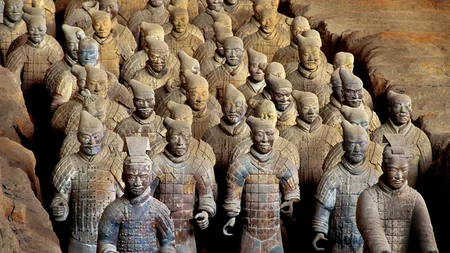
Tickling was a form of torture used in ancient China on nobility because it left no mark and recovery was quick.
The Strange Torture of Tickling in Ancient China
Imagine a form of torture so insidious that it leaves no visible scars, yet can break the will of even the most resilient individuals. In ancient China, particularly during the Han dynasty, such a method existed: tickling. This seemingly harmless act was weaponized, primarily against the nobility, for its effectiveness and discretion.
While modern tickling often evokes laughter and playful moments, its prolonged application can transform into an unbearable ordeal. The ancients understood this nuanced aspect of human physiology, turning a benign sensation into a tool of interrogation and punishment.
A Royal Pain: Why Nobility Faced Tickling Torment
The choice to use tickling against members of the aristocracy was highly strategic. Unlike brutal physical methods that left lasting marks, tickling offered a 'clean' form of torture. This was crucial when dealing with high-ranking individuals whose public disfigurement or obvious abuse could cause political instability or outrage.
Their quick recovery also meant they could be returned to their positions, outwardly unscathed, making the torment both effective and politically convenient. It was a silent, internal suffering that maintained the illusion of their status while secretly breaking them down.
The Method Behind the Madness
So, how exactly was tickling employed as a torture technique? It wasn't merely a quick tickle. The process involved sustained, relentless stimulation of highly sensitive areas of the body. The soles of the feet, armpits, and stomach were prime targets.
- Sustained Stimulation: The constant pressure and sensation overwhelmed the nervous system.
- Uncontrollable Laughter: Initially, victims would laugh uncontrollably, a natural reflex.
- Escalation to Pain: This laughter would eventually morph into cries of genuine pain and distress.
- Loss of Consciousness: Extreme cases could even lead to exhaustion and fainting.
The psychological impact was immense. The loss of control, the forced laughter amidst terror, and the sheer discomfort combined to create a profound mental and physical breakdown without a single cut or bruise.
Beyond the Tickle: Humiliation and Control
Beyond the physical discomfort, tickling torture served another powerful purpose: humiliation. For nobility, whose dignity and composure were paramount, being reduced to a helpless, giggling, then sobbing mess was a profound assault on their very identity. This public (or semi-public) degradation was often as potent a weapon as the physical sensation itself.
It stripped them of their authority and presented a stark reminder of their captors' absolute control. This psychological subjugation left scars far deeper than any physical wound, influencing their future compliance and behavior.
A Han Dynasty Specialty?
Historical accounts often link this practice to the Han dynasty (206 BCE – 220 CE). While the exact prevalence and specific instances are challenging to pinpoint with absolute certainty, multiple sources corroborate its use during this era. It stands as a testament to the ingenuity and cruelty that could be devised even from the most innocent of human interactions.
This dark chapter in ancient Chinese history reminds us that torture can take many forms, and the absence of physical marks does not diminish the profound suffering inflicted upon its victims. The 'harmless' tickle, under the right conditions, became a terrifying instrument of power and control.
Frequently Asked Questions
Was tickling truly used as torture in ancient China?
Why was tickling chosen as a torture method for nobility?
What parts of the body were targeted during tickling torture?
Did tickling torture involve anything else, like animals?
What was the psychological effect of tickling torture?
Verified Fact
This fact has been reviewed and verified against original sources.
Related Topics
More from History & Culture
View all History & Culture →