Ancient gladiators were mostly vegetarians whose diet consisted mainly of grains, beans, and dried fruit, washed down with a vinegar and plant ash tonic.
Gladiators Were Vegetarian Fighters Fueled by Beans
The mighty gladiators of ancient Rome—those muscled warriors who battled to the death for roaring crowds—survived on a diet that would make modern gym bros weep. They were essentially ancient vegans. No protein shakes, no steak dinners, just loads of barley, beans, and a gnarly drink made from vinegar and ash.
Archaeological evidence doesn't lie. When researchers analyzed bones from a gladiator cemetery in Ephesus, Turkey (dating to the 2nd-3rd century BC), they found something shocking: these elite fighters ate almost no meat. Spectroscopy revealed their bones told a story of grains, legumes, and more grains. The Romans even had a nickname for them—hordearii, or "barley eaters."
Why Carbs, Not Cuts of Meat?
Gladiators needed to bulk up, but not in the way you'd think. Fat was armor. A layer of subcutaneous fat protected vital nerves and blood vessels from sword slashes and trident jabs. A carb-heavy diet of barley and beans created exactly that—a protective cushion under the skin that could mean the difference between a flesh wound and a fatal strike.
The Greek physician Galen, who actually treated gladiators, noted they consumed massive amounts of fava beans daily. Barley provided cheap, accessible calories. Dried fruits added quick energy. This wasn't gourmet dining—it was strategic fueling for survival.
The Nastiest Sports Drink in History
Here's where it gets weird. All those grains and vegetables created a serious problem: calcium deficiency. Gladiators needed strong bones for their brutal profession, so they chugged a tonic made from vinegar mixed with plant ash or charred bone ash. Yes, they literally drank burned wood.
The ash provided the calcium their plant-based diet lacked. Was it disgusting? Absolutely. Did it work? The archaeological evidence suggests yes—their bones show they maintained the calcium levels needed for their punishing lifestyle.
Meat Was for Rich People
Most gladiators were slaves, prisoners of war, or desperate poor people. Meat was expensive—a luxury for wealthy Romans reclining at banquets, not for fighters living in gladiator schools. The lanista (gladiator trainer) needed to feed his fighters cheaply while keeping them combat-ready.
Grains and legumes delivered:
- Cheap, abundant calories for intense training
- Enough protein from beans to maintain muscle
- Carbs for energy and fat storage
- A diet that was economically sustainable for large gladiator schools
The mass grave in Ephesus contained 67 gladiators, identified by carved marble reliefs showing fight scenes. When anthropologists compared their bones to the general population's remains, the gladiators' vegetarian diet stood out clearly. These weren't just any fighters—these were professionals whose nutrition was carefully controlled.
The Gladiator Physique
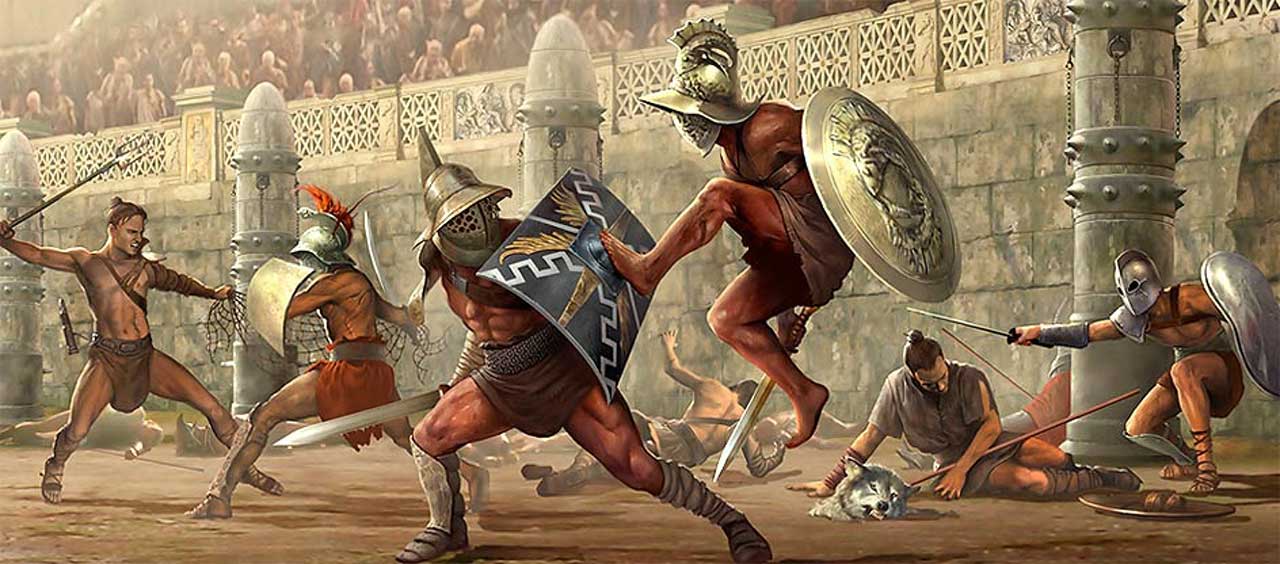
Forget the ripped, lean warriors from Hollywood. Real gladiators probably looked more like heavyweight boxers—muscular but covered with a layer of protective fat. They needed bulk and padding, not six-pack abs. Their vegetarian diet created exactly the body type required for arena survival.
This wasn't about ethics or animal rights. Romans had no concept of vegetarianism as a moral choice. This was pure pragmatism—the cheapest, most effective way to fuel fighters who needed to absorb damage and keep fighting.
So next time someone tells you that you need meat to be strong, remember the gladiators. These ancient athletes conquered the arena on barley, beans, and burnt ash cocktails. Though honestly, maybe skip that last part.
Frequently Asked Questions
What did Roman gladiators eat?
Why were gladiators vegetarian?
What was the gladiator ash drink?
How do we know what gladiators ate?
Did gladiators eat meat at all?
Verified Fact
This fact has been reviewed and verified against original sources.
Show verification details
Archaeological evidence from bone analysis at Ephesus gladiator cemetery confirms gladiators ate a predominantly vegetarian diet of grains and beans.