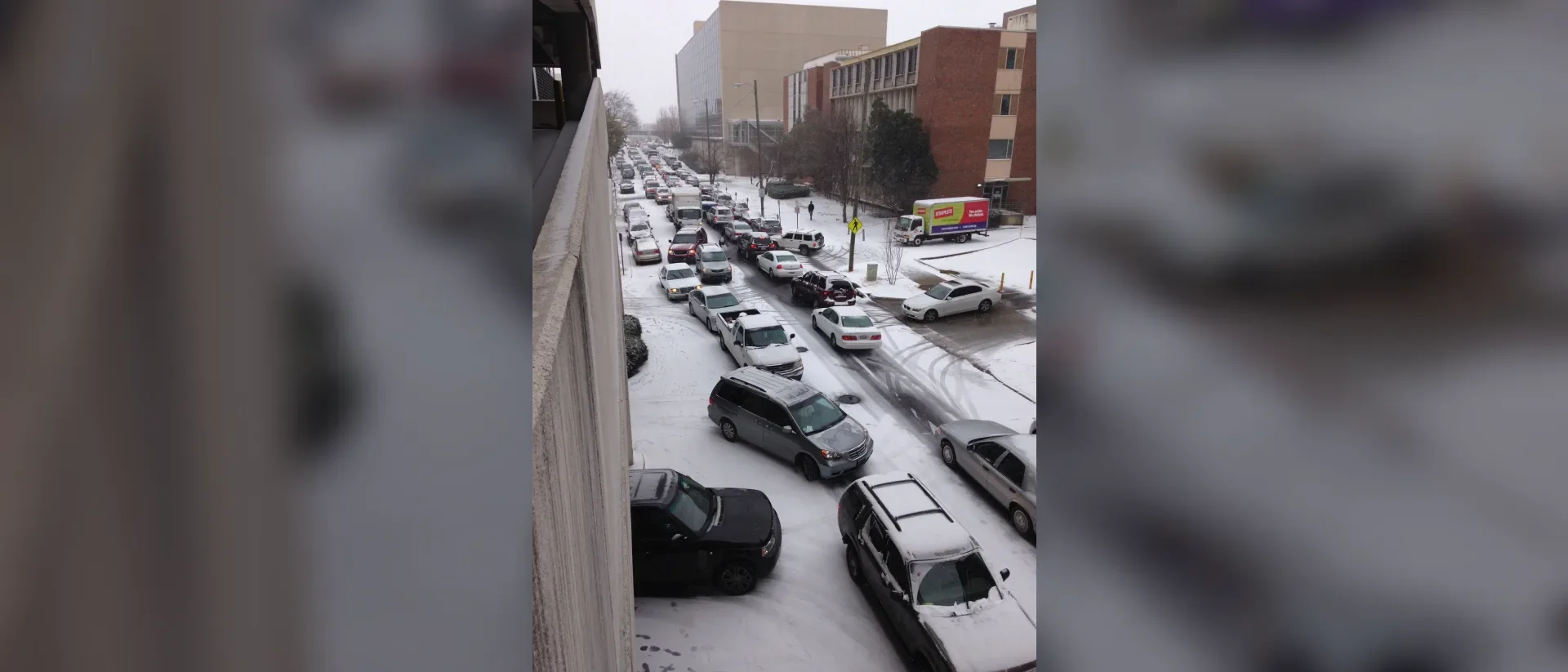
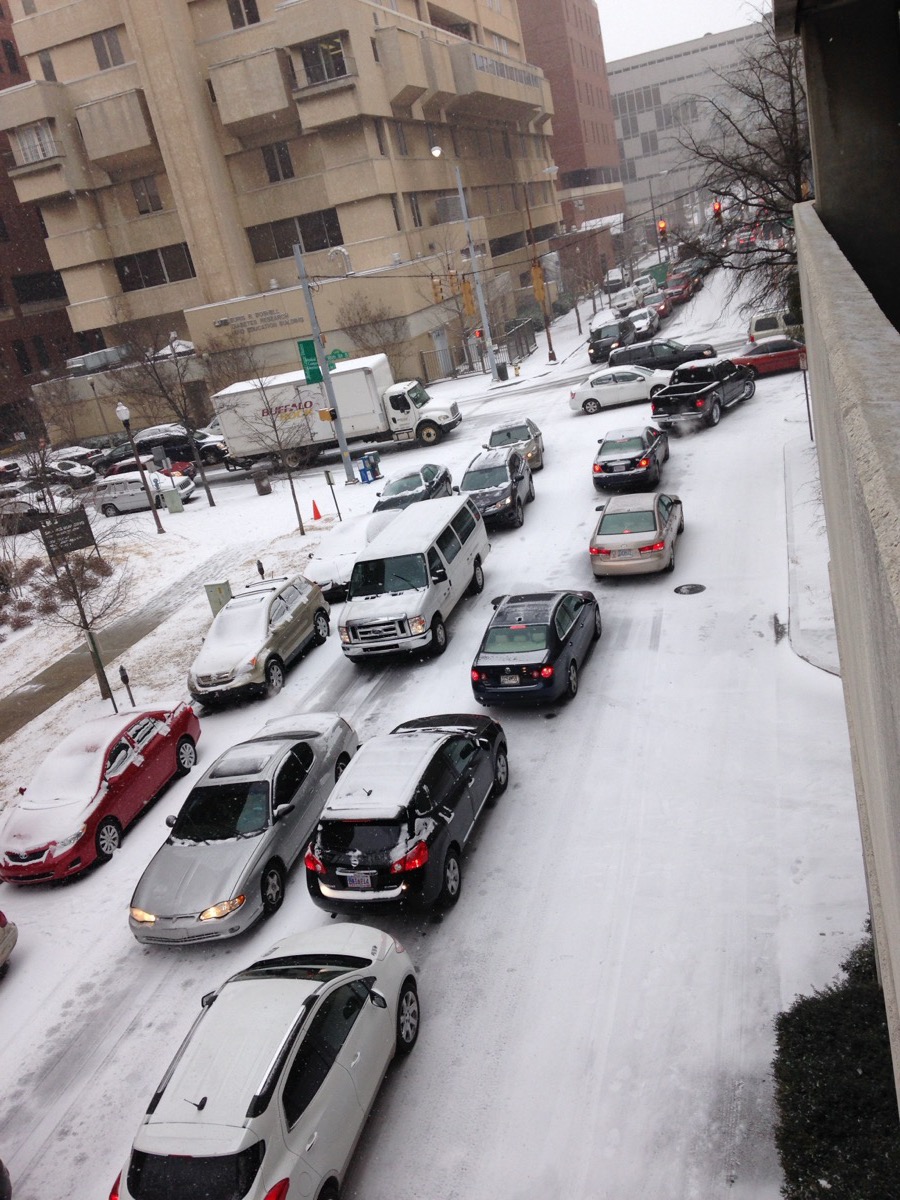
Snow and ice brought Birmingham, Alabama, to a standstill in January 2014. Neurosurgeon Zenko Hrynkiw was needed for emergency brain surgery at another hospital, so with traffic stuck he set off on foot in his scrubs. He walked miles through the storm until a stranger gave him a lift the rest of the way. He reached the hospital, operated, and the patient lived.
The Surgeon Who Walked Through the Snow
On the morning of January 28, 2014, a rare snow and ice storm locked up Birmingham, Alabama. Neurosurgeon Dr. Zenko Hrynkiw had a patient dying across town, and no road to reach him.
The Call Came Mid-Surgery
Hrynkiw was at Brookwood Medical Center, wrapping up an early morning operation, when the call came from Trinity Medical Center. A man with a traumatic brain injury needed emergency surgery.
Hrynkiw told reporters the man faced roughly a 90 percent chance of death without an operation. Trinity's only brain surgeon, according to The Associated Press, was the one already stuck across town.
It did not take long for him to realize that driving was not an option.
One Step at a Time
"I just walked down the hill and started walking towards Trinity," Hrynkiw said. He was in his scrubs, with a coat on top, and it was about 20 degrees outside with snow still piling up.
Along the way he stopped for a few minutes of warmth inside a parked ambulance. He also helped stranded strangers push their cars away from a ditch.
Then, in his own words, "Lucky for me a passerby, a sales rep actually, give me a lift the rest of the way."
Reports at the time called it a six-mile walk, a figure based on a map estimate of the route between the two hospitals. Because he rode for part of it, the exact distance he covered on foot is not documented.
Operating Within Minutes
Nearly two hours passed before he reached Trinity Medical Center. Within minutes, Hrynkiw was operating.
The patient lived. Hrynkiw said the man might have some deficits with speech and cognition, but he was expected to live, and a Trinity charge nurse told NBC News the man was doing well.
"What's the Big Deal?"
Asked about the trip afterward, Hrynkiw shrugged it off. He told WBRC the long walk was not a big deal, because he walks regularly and enjoys it.
The storm stranded thousands of drivers across Alabama and Georgia that week. For one patient, the road that mattered ran between two hospitals.
Source:WBRC FOX6 News
Enjoyed this fact?
Be the first to love this
Get a new fact every morning.
A fascinating fact in your inbox every morning. Free. Unsubscribe anytime.
Frequently Asked Questions
Who is Zenko Hrynkiw?
How far did the Alabama surgeon walk in the snow?
Did the patient survive the surgery?
Why did the surgeon not drive to the hospital?
Verified Fact
Verified Oct 17, 2026 · 3 sources checked
Source: WBRC FOX6 NewsShow verification details
Claims checked
- Neurosurgeon Zenko Hrynkiw set out on foot in scrubs from Brookwood to Trinity Medical Center during the January 28, 2014 storm
- A passing sales rep gave him a lift for the last stretch, so the six-mile figure is a map estimate for the route
- Nearly two hours passed before he reached Trinity, and he operated within minutes
- The patient survived and was expected to live, with possible speech and cognitive deficits
Sources: WBRC, NPR, NBC News
Related Topics
More from People & Mind
View all People & Mind →