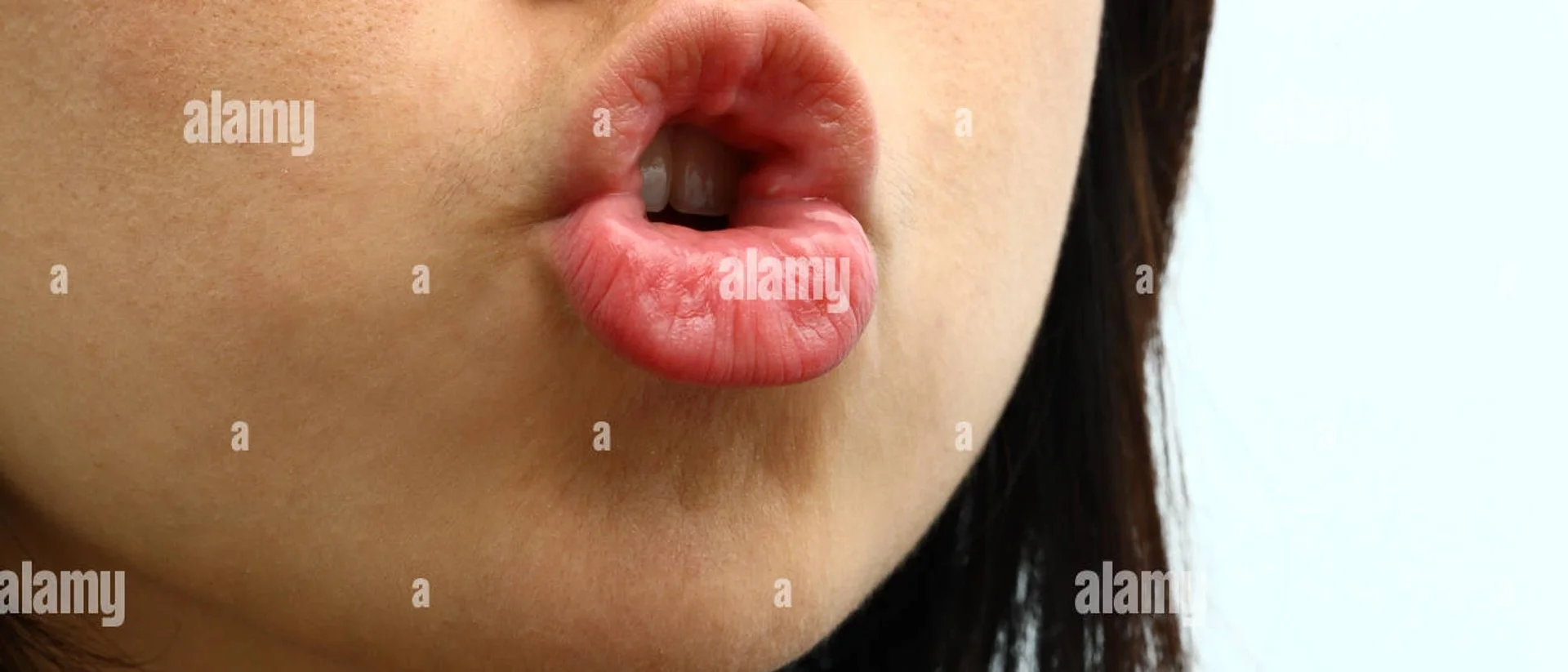
If you mouth the word "colorful" to someone, it looks like you are saying "I love you".
Colorful Looks Like I Love You When Mouthed
Try it right now: silently mouth the word "colorful" in a mirror. Notice something peculiar? The lip movements are nearly identical to saying "I love you." This isn't just a party trick—it's a genuine lip-reading phenomenon that has confused and amused people for years.
The Science of Homophenes
Lip readers call these lookalike words homophenes—different words or phrases that produce identical visual patterns when spoken. Your lips, tongue, and jaw create the same shapes whether you're describing a rainbow or declaring affection. The "cuh-luh" of "colorful" mirrors the "I-luh" of "I love," while the "ful" and "you" both end with similar lip rounding.
This confusion isn't limited to "colorful." Dozens of phrases create the same visual effect:
- Olive juice (the most famous alternative)
- Elephant shoes
- Vacuum shoes
- I'll have two
Why Lip Reading Is So Difficult
These homophenes reveal why lip reading is far from perfect. Linguists estimate that only about 30-40% of English sounds are clearly visible on the lips. Many sounds—like "k" and "g," or "p" and "b"—look identical because they use the same mouth positions. Context becomes everything for skilled lip readers.
The phenomenon has spawned countless classroom pranks and romantic misunderstandings. Someone discussing home décor might accidentally send mixed signals. A person complimenting a sunset's vibrant hues could prompt an awkward conversation.
Test It Yourself
Want to see it in action? Grab a friend and try mouthing these words to each other without sound. You'll quickly discover how easily visual communication can deceive. It's a reminder that human communication relies on far more than what meets the eye—we need sound, context, and sometimes clarification to truly understand each other.
Next time you're describing something colorful, consider the potential for delightful confusion. Or use it deliberately—it's certainly a creative way to send a subtle message across a crowded room.
Frequently Asked Questions
What word looks like I love you when you mouth it?
What are homophenes in lip reading?
What other phrases look like I love you?
Why is lip reading so difficult?
Does colorful really look like I love you?
Verified Fact
This fact has been reviewed and verified against original sources.
Source: View source