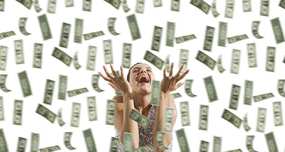
The key to happiness is spending your money on experiences rather than possessions, according to studies.
Why Experiences Beat Possessions for Lasting Happiness
If you've ever agonized over whether to splurge on a vacation or a new gadget, science has some reassuring news: research consistently shows that spending money on experiences leads to greater happiness than buying material possessions. But before you cancel that online shopping cart, there's a fascinating twist to this story.
Studies from Cornell University and the University of Texas at Austin found that people who invest in experiences—travel, concerts, meals out, adventure activities—report significantly greater satisfaction both in the moment and in retrospect compared to those who buy material goods like electronics, clothing, or furniture. The effect is remarkably consistent across all phases: the anticipation, the actual experience, and the memories afterward.
The Psychology Behind the Happiness Gap
Why do experiences win? For starters, the thrill of a new purchase fades fast. That shiny new gadget becomes just another possession within weeks, relegated to the background of daily life. Experiences, on the other hand, become part of your identity and provide stories you'll retell for years.
A Harris Poll found that 74% of people preferred spending on experiences over material things—and those preferences align with actual happiness outcomes. Experiences also tend to foster social connections more effectively than possessions, and they're less subject to unfavorable comparisons (your friend's bigger TV doesn't diminish your concert memories).
The Surprising Class Divide
Here's where it gets interesting: the experiential advantage isn't universal. Recent research reveals that this effect works primarily for higher-income individuals. People with lower socioeconomic status actually report equal or sometimes greater happiness from material purchases compared to experiential ones.
Why the split? When you're financially constrained, material purchases can provide a sense of security and control that experiences don't offer. A reliable car or quality winter coat addresses real needs and reduces stress in ways that a weekend getaway simply can't. The experiential advantage assumes a level of financial stability where basic material needs are already met.
Quality Matters More Than Category
Recent meta-analyses have also challenged the strict experiences-versus-possessions dichotomy. It turns out that hedonic material purchases can be just as happiness-inducing as experiences. A beautifully crafted guitar that you play daily or art that transforms your living space can rival experiential purchases in happiness returns.
The real key isn't whether something is classified as an "experience" or a "possession"—it's about:
- How much genuine enjoyment it provides
- Whether it connects you with others
- How well it aligns with your values and identity
- Whether it addresses real needs versus filling a void
So while the research generally supports choosing experiences over possessions, the wisest approach considers your financial situation, genuine needs, and what actually brings you joy—not just which category wins in the average psychology study.
Frequently Asked Questions
Why do experiences make people happier than possessions?
Does spending on experiences always lead to more happiness?
What percentage of people prefer spending on experiences?
Can material purchases ever make you as happy as experiences?
What makes an experience worth spending money on?
Verified Fact
This fact has been reviewed and verified against original sources.
Show verification details
Extensively supported by research from Cornell, UT Austin, and multiple meta-analyses.