
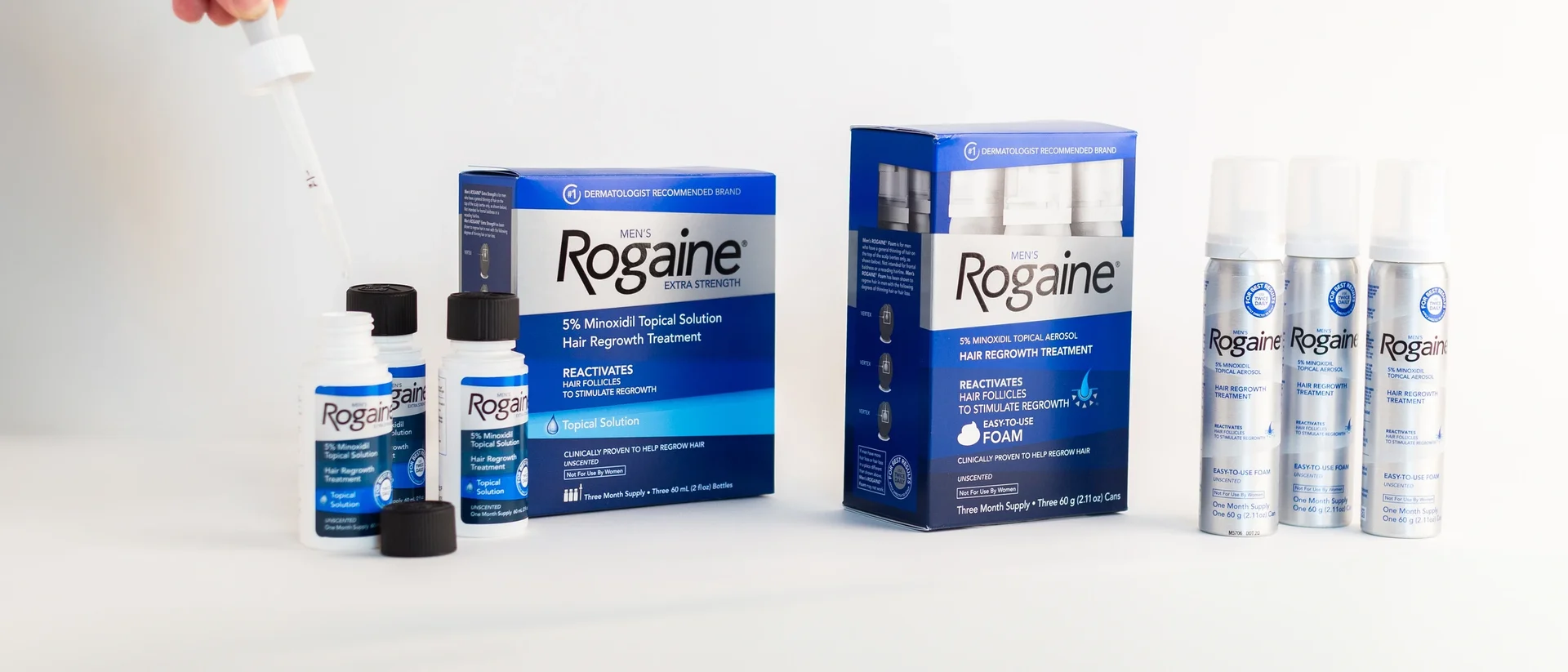
Rogaine was not invented to grow hair. Upjohn developed minoxidil in the 1950s to treat ulcers - it failed. They pivoted to a blood pressure drug, approved as Loniten in 1979. During those trials, 60-80% of patients grew unexpected hair. A 1980 letter in the New England Journal of Medicine exposed the side effect. Upjohn launched Rogaine in 1988 - the first drug the FDA ever approved to regrow hair.
Rogaine Was Invented to Treat Blood Pressure
The green bottle in every drugstore wasn't designed to fix hair. It was designed to fix blood pressure - and even that wasn't the original plan.
An Ulcer Drug That Couldn't Cure Ulcers
In the late 1950s, chemists at Upjohn Company were searching for a new treatment for stomach ulcers. One compound they synthesized - later refined into minoxidil - showed promise in the lab. But when they tested it on animals, it did nothing for ulcers. What it did do was dramatically lower blood pressure by relaxing blood vessel walls. By 1963, Upjohn had developed minoxidil itself as a vasodilator: a drug that widens blood vessels and reduces hypertension.
The Side Effect Nobody Expected
The FDA approved oral minoxidil - sold as Loniten - in 1979 for patients with severe, drug-resistant high blood pressure. That's when doctors noticed something strange. In clinical trials, roughly 60 to 80 percent of patients taking Loniten reported growing new hair - on their faces, hands, and scalps. Upjohn's executives initially dismissed the phenomenon as a minor cosmetic nuisance and chose not to pursue it.
The Letter That Changed Everything
Upjohn's silence didn't last. In 1980, a physician named Zappacosta published a letter in the New England Journal of Medicine describing how a balding patient's hair had reversed while on minoxidil for hypertension. The letter was widely read. Upjohn realized that if they didn't develop a hair loss product, a competitor would. The company began clinical trials for a topical minoxidil solution - far lower dose, applied directly to the scalp to avoid blood pressure effects.
The FDA Blocked the Name "Regain"
Upjohn wanted to call the new product Regain. The FDA refused, ruling the name made an unacceptable promise - not every user would regrow hair. The company settled on Rogaine. On August 17, 1988, the FDA approved it as the first drug ever cleared specifically to treat male pattern baldness. It cost around $600 a year by prescription.
From Prescription to Pharmacy Shelf
In 1991, Rogaine received approval for women. By 1996, the FDA cleared over-the-counter sales, and the green bottle became a fixture of drugstore shelves worldwide. Today, minoxidil is still a blood pressure drug - and still a hair loss drug. The same molecule does both jobs. The only difference is how much you take and where you put it.
Enjoyed this? Get a new fact every morning.
A fascinating fact in your inbox every morning. Free. Unsubscribe anytime.
Frequently Asked Questions
What was Rogaine originally developed for?
How did they discover that minoxidil grows hair?
Why is Rogaine called Rogaine and not Regain?
When was Rogaine approved by the FDA?
Does Rogaine still affect blood pressure?
Verified Fact
Verified Jun 19, 2026 · 5 sources checked
Source: The Pharmaceutical JournalShow verification details
Claims checked
- Developed in the late 1950s, originally to treat ulcers
- FDA approved as Loniten in 1979
- 60-80% of patients grew unexpected hair during trials
- 1980 NEJM letter exposed the side effect
- Rogaine launched in 1988, first FDA-approved hair regrowth drug
Sources: Wikipedia, The Pharmaceutical Journal, UPI Archives, Your Health Magazine, Varona Hair Restoration