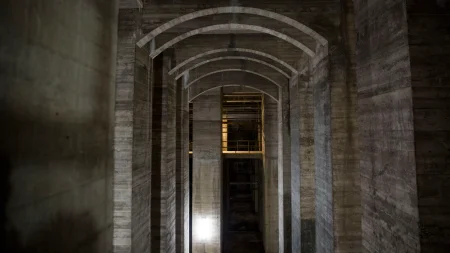
The word 'attic' comes from Attica, the region around Athens, Greece, where a distinctive architectural style featured decorative columns on upper facades.
Attics Get Their Name from Ancient Athens
That dusty space under your roof where you store Christmas decorations? It's named after ancient Athens. Specifically, it comes from Attica, the region surrounding the Greek capital, famous for its distinctive architectural style.
In classical architecture, Attic style referred to the elegant, proportioned designs typical of buildings around Athens. These structures often featured decorative columns and facades on their upper sections—small, square columns that sat above the main facade of a building.
From Greece to Your Garage
The term took a winding path to its modern meaning. By the 1690s, European architects were using "attic" to describe low decorative facades above a building's main story—mimicking those Athenian design elements. If you added Attic-style pilasters or columns to dress up your roofline, you were building in the Attic manner.
Then came the linguistic leap: if that decorative upper section was "attic style," the space behind it became known as the "attic story." By 1807, people had dropped the "story" part entirely, and "attic" simply meant the top floor tucked under the roof.
Why Athens?
Ancient Greek architecture was obsessed with perfect proportions and decorative tops. The way Athenian builders finished the upper parts of their structures—with carefully placed columns, entablatures, and ornamental details—became iconic enough that "Attic" became shorthand for this refined style.
So when you climb those creaky stairs to dig out your childhood yearbooks, you're etymologically visiting ancient Athens. Just with more dust and significantly fewer Doric columns.
The linguistic journey:
- Ἀττικός (Attikós) in Ancient Greek → "of Attica"
- Atticus in Latin → architectural term for Athenian style
- Attique in French → decorative upper facade
- Attic in English → that space where spiders live
It's a reminder that even the most mundane parts of our homes carry echoes of classical civilization. Though the ancient Greeks probably kept their attics tidier.
Frequently Asked Questions
Why is an attic called an attic?
What does attic mean in Greek?
When did attic get its modern meaning?
What is Attic style architecture?
Is there a connection between attics and ancient Greece?
Verified Fact
This fact has been reviewed and verified against original sources.
Show verification details
Corrected from 'invented in Attica' to accurate etymology - the word derives from Attic architectural style, not that the space was invented there
Related Topics
More from Places & Culture
View all Places & Culture →