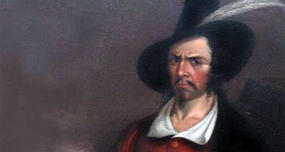
Britney Spears’ music is used by the British Navy to scare off Somali pirates.
Oops! They Did It Again: Britney vs. Pirates
When you picture naval warfare, you probably imagine sonar pings, dramatic explosions, and stern-faced sailors. What you probably don't picture is the pulsating beat of '...Baby One More Time' echoing across the Indian Ocean. Yet, for a period, that's exactly what was happening! The British Navy, in a stroke of genius (or perhaps madness), turned to pop princess Britney Spears to help deter Somali pirates.
The Unlikely Weapon: Pop's Princess
Yes, it's true. The Royal Navy, tasked with protecting vital shipping lanes off the coast of Somalia, found an unexpected ally in the discography of Britney Spears. Forget cannons and torpedoes; sometimes, all you need is a catchy chorus and a whole lot of volume.
Reports surfaced years ago detailing how naval officers would blast hits like 'Oops!... I Did It Again' and 'Baby One More Time' at an ear-splitting volume towards approaching pirate skiffs. The goal wasn't to start a dance party, but to scare them away. And apparently, it worked!
How Does This Even Work?
This isn't some bizarre naval hazing ritual gone wrong. There's actual (albeit slightly unusual) reasoning behind the tactic. The British Navy discovered that Somali pirates, for cultural and religious reasons, had a strong aversion to Western music, especially pop. It seems the infectious beats and synthesized harmonies of Britney were just too much to handle.
Imagine trying to focus on your dastardly pirate plans while 'Gimme More' is blaring at you from a warship. It's less 'Arrr, matey!' and more 'Oh, for the love of pop, make it stop!'
- High Volume: The music wasn't just casually played. It was often amplified using Long Range Acoustic Devices (LRADs).
- LRADs Explained: These aren't just giant speakers. LRADs are acoustic hailing devices that can project sound in a narrow beam, capable of producing very loud, disorienting, and even pain-inducing sounds over long distances.
- Cultural Aversion: The primary theory is that the pirates found the Western pop music offensive or culturally unacceptable, making it an effective psychological deterrent.
More Than Just Britney
While Britney Spears became the poster child for this peculiar form of naval defense, she wasn't alone in the anti-pirate playlist. Other artists whose music was reportedly used included the likes of Rick Astley. Yes, you could have been Rick-rolled by the Royal Navy while attempting an act of piracy. The irony is delicious.
The concept was simple: make the environment as uncomfortable and off-putting as possible without resorting to lethal force immediately. It's a non-lethal weapon that targets the ears and, perhaps, the very soul of a pirate who just wanted to peacefully (or not-so-peacefully) commandeer a vessel.
A Stroke of Genius?
Some might call it unconventional, others might call it utterly brilliant. In a world where maritime piracy presented a serious threat to global trade, any tactic that could deter attackers and avoid bloodshed was a welcome one. The use of pop music provided a psychological edge, making an already risky profession even less appealing.
So, next time you hear a Britney Spears song, remember its unsung role in international security. From topping the charts to warding off buccaneers, her influence truly knows no bounds. It just goes to show, sometimes the most effective solutions are the ones you'd least expect.
Frequently Asked Questions
Did the British Navy really use Britney Spears' music against pirates?
Why did Britney Spears' music work?
What songs were used?
How was the music played so loudly?
Verified Fact
This fact has been reviewed and verified against original sources.