Dmitry Agarkov received a credit card offer with a 45% interest rate buried in the fine print. He scanned the contract, rewrote it to include 0% interest, no fees, and penalty clauses if the bank changed the terms, then mailed it back. The bank signed it without reading. A court upheld his version. He counter-sued for 24 million rubles. The bank settled. He got a special debit card.
A Man Rewrote His Credit Card Fine Print. The Bank Signed It Without Reading.
In 2008, 42-year-old Dmitry Agarkov from Voronezh, Russia, received a credit card offer in the mail from Tinkoff Credit Systems. Like most people, he read the fine print. Unlike most people, he decided to rewrite it entirely.
Agarkov scanned the contract into his computer and got to work crafting his own version. His terms were substantially more favorable: zero percent interest, no fees of any kind, and no credit limit whatsoever. But he didn't stop there. He added penalty clauses stating that if the bank failed to honor the agreement, they'd owe him 3 million rubles (about $91,000) per violation. Canceling the contract would cost them 6 million rubles ($182,000).
He signed the modified contract and mailed it back to the bank.
The Bank Signs Without Reading
Tinkoff Credit Systems did exactly what Agarkov hoped they would: they approved the application without actually reading his custom terms. They sent him a credit card and a signed copy of his contract, making it legally binding.
As the bank's lawyers would later admit in court: "They signed the documents without looking. They said what usually their borrowers say in court: 'We have not read it.'"
The Tables Turn in Court
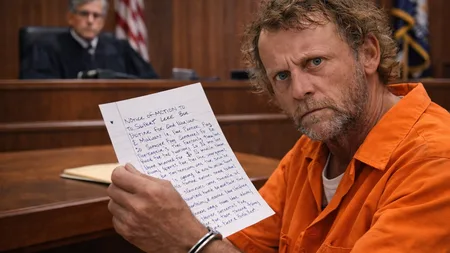
Two years later, in 2010, Tinkoff sued Agarkov for 45,000 rubles in unpaid fees and charges. There was just one problem: according to his version of the contract—the one they'd signed—there were no fees.
A Russian judge agreed. The court ruled that Agarkov's modified contract was legally valid and that the bank was bound by the terms they'd approved. Agarkov was ordered to pay only the 19,000-ruble principal debt he'd actually borrowed.
Emboldened by this victory, Agarkov filed a counter-lawsuit demanding 24 million rubles ($727,000) in penalties for the bank's various violations of his contract terms. The bank responded by accusing him of fraud.
The Gentlemen's Agreement
By 2013, the situation had spiraled far beyond Agarkov's original intentions. "In 2008 it was simply a joke," he admitted. "But the joke has gone too far."
Rather than continue the legal battle, both parties agreed to settle. As Tinkoff's president put it: "The conflict wasn't constructive, so we decided to end it like gentlemen, by withdrawing our mutual claims."
The bank even issued Agarkov a special debit card offering up to 30 percent cash back on certain purchases—a peace offering that gave him real benefits without the millions in penalties.
The case became a legendary example of contractual jujitsu: using a company's own practices against them. Agarkov had proven that contracts are only as strong as the attention paid to them—a lesson the bank learned the expensive way.
Frequently Asked Questions
Did Dmitry Agarkov actually win his lawsuit against the bank?
How did Agarkov change the credit card contract?
What happened between Dmitry Agarkov and Tinkoff Bank?
Is it legal to modify a contract before signing it?
How much money did Dmitry Agarkov get from the bank?
Verified Fact
This fact has been reviewed and verified against original sources.
Show verification details
Tinkoff Credit Systems. Advertised 12.9%, fine print 45%. Modified to 0% with two penalty clauses. Settled out of court for debit card.