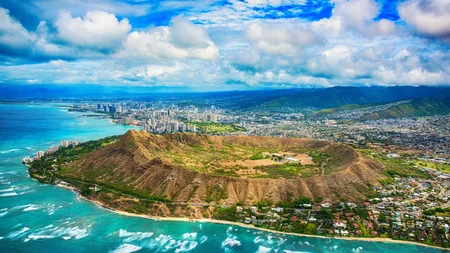
Honolulu is the only place in the United States that has a royal palace.
America's Only Royal Palace Is in Honolulu
In a nation founded on rejecting monarchy, there stands a genuine royal palace—complete with thrones, crown jewels, and a tragic history of overthrown kings and queens. ʻIolani Palace in downtown Honolulu is the only official royal residence on American soil.
A Kingdom Before Statehood
Hawaii wasn't always the 50th state. For nearly a century, it was an independent kingdom with its own line of monarchs, diplomatic relations with world powers, and yes, a palace befitting royalty.
King David Kalākaua commissioned ʻIolani Palace in 1879, determined to prove Hawaii's place among the great nations of the world. When it was completed in 1882, the palace was more technologically advanced than the White House—it had electric lights four years before the presidential residence and indoor plumbing before most European palaces.
More Than Just a Building
The palace features:
- Throne Room where the king and queen received foreign dignitaries
- State Dining Room that seated over 100 guests
- The only throne room on American soil
- Original Hawaiian crown jewels, including a gold and precious gem crown
King Kalākaua was known as the "Merrie Monarch" for reviving Hawaiian cultural traditions, including hula, which missionaries had suppressed. He threw legendary parties, entertained foreign royalty, and even circumnavigated the globe—the first reigning monarch of any nation to do so.
A Dark Chapter
The palace witnessed tragedy. In 1893, American businessmen backed by U.S. Marines overthrew Queen Liliʻuokalani, Kalākaua's sister and successor. She was imprisoned in an upstairs bedroom of her own palace for nearly eight months.
The queen composed songs during her imprisonment, including "Aloha ʻOe," now one of Hawaii's most beloved melodies. She never regained her throne, though she spent years fighting for her people's sovereignty.
Restoration and Legacy
After serving as the capitol building for the Republic, Territory, and State of Hawaii, ʻIolani Palace was restored to its royal-era grandeur in the 1970s. Today, visitors can tour the very rooms where Hawaii's monarchs held court, see the bedroom where a queen was imprisoned, and stand in America's only throne room.
For Native Hawaiians, the palace remains a powerful symbol—both of their kingdom's achievements and its unjust end. It stands as a reminder that the United States once had a royal family, and their descendants still walk the islands today.
Frequently Asked Questions
Where is the only royal palace in the United States?
Who lived in ʻIolani Palace?
Can you visit ʻIolani Palace?
Why does Hawaii have a royal palace?
Did ʻIolani Palace have electricity before the White House?
Verified Fact
This fact has been reviewed and verified against original sources.
Show verification details
Fact is accurate. ʻIolani Palace in Honolulu is the only royal palace on U.S. soil, serving as the official residence of Hawaiian monarchs from 1882-1893.