
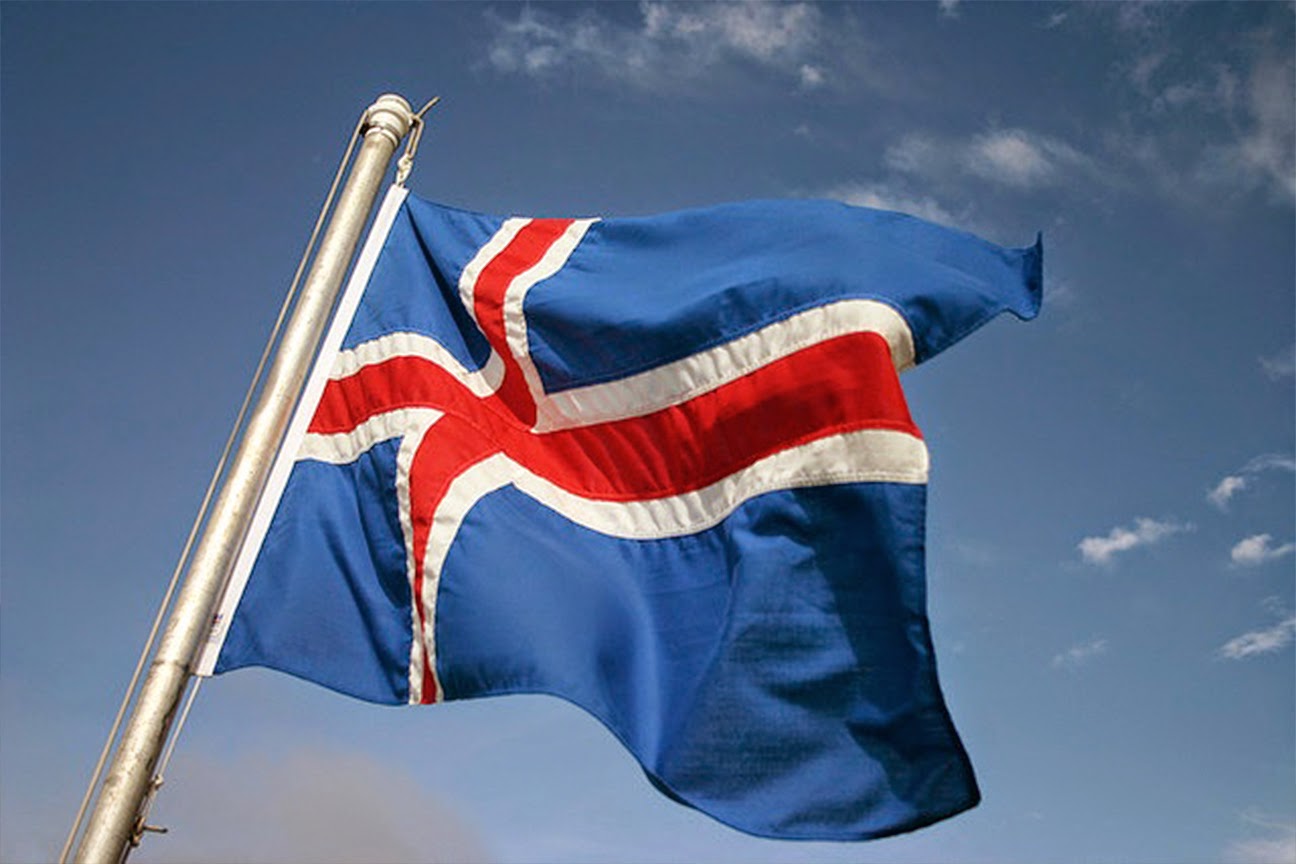
Iceland has no standing army and has been ranked the world's most peaceful country every year since the Global Peace Index began in 2008.
Why Iceland Has No Army and Tops Peace Rankings
In a world where military spending often dominates national budgets, Iceland stands apart. This Nordic island nation of roughly 370,000 people has no standing army—and hasn't had one since 1869. Yet rather than leaving Iceland vulnerable, this absence of military force has coincided with something remarkable: Iceland has been named the world's most peaceful country every single year since the Global Peace Index began tracking such things in 2008.
A Brief History of Icelandic Demilitarization
Iceland's military history is surprisingly short. The country gained independence from Denmark in 1944, but its demilitarized status predates that by decades. When Iceland abolished its army in 1869, it was a practical decision—maintaining a military was expensive for a small, isolated nation with no hostile neighbors.
During World War II and the Cold War, Iceland's strategic location in the North Atlantic made it valuable to Western powers. The country hosted a U.S. military base at Keflavík from 1951 until 2006, essentially outsourcing its defense needs. Today, Iceland remains a NATO member despite contributing no troops, relying instead on agreements with allies.
What Iceland Has Instead
No army doesn't mean no security forces. Iceland maintains:
- The Icelandic Coast Guard – About 250 personnel who handle maritime patrol, search and rescue, and fisheries protection
- A small crisis response unit – Trained for peacekeeping operations abroad
- The National Police – Who rarely carry firearms in their day-to-day duties
The Coast Guard is Iceland's only armed force, and even they focus primarily on civilian tasks like assisting distressed vessels and monitoring fishing grounds.
The Peace Index Streak
The Global Peace Index, published annually by the Institute for Economics and Peace, measures 163 countries across 23 indicators—everything from homicide rates to military expenditure to political instability. Iceland's consistent #1 ranking isn't just about lacking an army. The country also benefits from:
- Extremely low violent crime rates
- High levels of social cohesion and trust
- Minimal political corruption
- Strong democratic institutions
- Geographic isolation from conflict zones
In 2023, Iceland scored 1.124 on the index, where lower scores indicate greater peacefulness. For comparison, the least peaceful country that year scored over 3.4.
The Cost of Peace
Iceland's approach comes with trade-offs. The country spends only about 0.1% of its GDP on defense-related activities—compared to the NATO guideline of 2%. Critics argue this amounts to free-riding on allies' security guarantees. Supporters counter that Iceland's model proves massive military spending isn't the only path to national security.
There's also the question of vulnerability. When Russian military aircraft occasionally probe Nordic airspace, it's Norwegian or British jets that respond on Iceland's behalf. The country relies on the assumption that this arrangement will continue indefinitely.
A Model or an Exception?
Can other nations follow Iceland's example? Probably not easily. Iceland's unique circumstances—tiny population, remote location, no land borders, membership in a powerful alliance—make its model difficult to replicate. But the country does demonstrate something important: peace isn't just about military strength. Social equality, institutional trust, and low corruption matter just as much, if not more.
For now, Iceland continues its remarkable streak, proving that sometimes the most powerful defense is simply having nothing to fight about.
Frequently Asked Questions
Why doesn't Iceland have an army?
How does Iceland defend itself without a military?
What is the Global Peace Index and why does Iceland rank first?
Is Iceland part of NATO despite having no army?
How long has Iceland been the most peaceful country?
Verified Fact
This fact has been reviewed and verified against original sources.
Show verification details
Confirmed accurate. Iceland has had no standing army since 1869 and has consistently ranked #1 on the Global Peace Index since its inception in 2008.