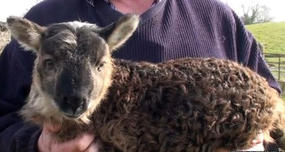
At the Pakistan Stock Exchange, goats have been sacrificed to ward off computer glitches and technical problems that disrupt trading.
Pakistan Stock Exchange's Unusual IT Solution: Goat Sacrifice
When your computer crashes, you probably restart it, maybe call IT, or simply curse under your breath. At the Pakistan Stock Exchange, some employees have taken a decidedly different approach: sacrificing goats.
This isn't ancient history—it's a practice that has been documented multiple times in the 21st century, most notably in 2012 when staff at the Karachi Stock Exchange reportedly slaughtered goats in the trading hall's parking lot after a series of frustrating technical glitches plagued their systems.
Where Finance Meets Faith
Pakistan is a deeply religious nation where animal sacrifice holds profound cultural and spiritual significance. The practice of qurbani (ritual sacrifice) is most associated with Eid al-Adha, commemorating Ibrahim's willingness to sacrifice his son. But sacrifices also occur year-round to:
- Give thanks for blessings received
- Ward off bad luck or evil spirits
- Seek divine intervention during difficult times
- Celebrate major life events or business milestones
For traders whose livelihoods depend on functional trading systems, persistent computer failures aren't just annoying—they're financially devastating. When technical solutions fail, some turn to spiritual ones.
The 2012 Incident
The most widely reported case occurred at the Karachi Stock Exchange (now the Pakistan Stock Exchange) when repeated system crashes disrupted trading. According to multiple news reports, black goats—considered particularly effective for warding off bad luck—were sacrificed in the parking area.
The meat was distributed to the poor, following Islamic tradition that sacrificial animals should benefit those in need. Exchange officials at the time were somewhat evasive about confirming the practice, with some dismissing it as the actions of individual employees rather than official policy.
Not Entirely Unprecedented
While the image of goats at a stock exchange seems jarring to Western observers, ritual practices in financial settings aren't unique to Pakistan. Wall Street traders are notoriously superstitious—some refuse to shave during winning streaks, others have lucky ties or specific pre-market rituals.
The New York Stock Exchange has its own traditions, including ringing the opening bell (originally a Chinese gong) and the presence of a Christmas tree each December. These may seem more secular, but they serve similar psychological functions: creating a sense of control in an inherently unpredictable environment.
Does It Work?
Here's the thing about superstitious practices: they kind of do work—psychologically, at least. Studies show that rituals reduce anxiety and increase confidence, which can improve performance in high-stress situations.
Whether the Pakistan Stock Exchange's computers care about goat sacrifices is another matter entirely. But for stressed traders watching their systems crash repeatedly, doing something—anything—provides a sense of agency. And the communal nature of the sacrifice, followed by distributing meat to the poor, reinforces social bonds and a sense of shared purpose.
The practice remains controversial within Pakistan itself, with some viewing it as embarrassingly backward while others defend it as a legitimate expression of faith. What's undeniable is that it represents a fascinating collision of modern technology, ancient tradition, and the universal human desire to control the uncontrollable.
Frequently Asked Questions
Why do they sacrifice goats at Pakistan Stock Exchange?
Is goat sacrifice at stock exchanges a real practice?
What is qurbani in Islam?
Do other stock exchanges have superstitious practices?
Verified Fact
This fact has been reviewed and verified against original sources.
Show verification details
Confirmed - this practice exists particularly around computer glitches and technical issues at the Pakistan Stock Exchange, not general market performance. Corrected fact_text to be more precise.