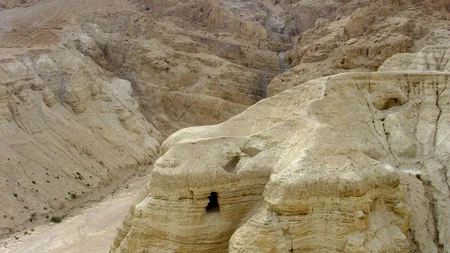
Israel's Dead Sea is approximately 1,443 feet (439 meters) below sea level, making it the lowest land-based elevation on Earth. Its level continues to drop by about 3 feet (1 meter) annually.
The Dead Sea: Earth's Lowest & Receding Wonder
Nestled between Israel and Jordan, the Dead Sea holds the remarkable title of Earth's lowest land-based elevation. Far from being a mere body of water, it's a hypersaline lake whose surface currently sits at an astonishing approximately 1,443 feet (439 meters) below sea level. This extreme depression is a natural marvel, creating a unique ecosystem and attracting visitors for centuries.
The Dead Sea isn't just famous for its low elevation; its name hints at another extraordinary characteristic. Its waters are roughly 9.6 times saltier than the ocean, a concentration so high that it prevents the flourishing of fish and most other aquatic life. This intense salinity is also what grants swimmers effortless buoyancy, allowing them to float with ease on its surface—a truly unforgettable experience.
However, this natural wonder is facing a critical challenge: its water level is in constant decline. Studies indicate that the Dead Sea's surface is dropping by about 3 feet (1 meter) each year. This alarming rate of recession is primarily due to the diversion of its main water source, the Jordan River, for agricultural and drinking water purposes in the surrounding region. Additionally, mineral extraction industries contribute to the shrinking volume.
The consequences of this ongoing shrinkage are profound. Shorelines are retreating, exposing sinkholes, and threatening vital tourism infrastructure. Efforts are underway to understand and mitigate the environmental impact, including discussions around water transfer projects to replenish its waters. The delicate balance of this unique ecosystem is at risk, making conservation efforts more urgent than ever.
Beyond its ecological significance, the Dead Sea is also steeped in history and religious tradition. Ancient texts reference it, and its mineral-rich muds and waters have been revered for their therapeutic properties for millennia. Spas and health resorts dot its shores, drawing those seeking relief from various ailments through its unique mineral composition.
The Dead Sea serves as a powerful reminder of nature's extremes and the impact of human activity on our planet's most precious resources. Its future hinges on careful management and international cooperation to preserve this unparalleled geological and ecological treasure for generations to come. The experience of visiting this extraordinary body of water—floating effortlessly, covered in mineral-rich mud, with desert landscapes stretching in every direction—remains a bucket-list item for many, a testament to its enduring allure.
Frequently Asked Questions
How deep is the Dead Sea?
Why is the Dead Sea so salty?
Can you swim in the Dead Sea?
Is the Dead Sea shrinking?
What are the benefits of the Dead Sea?
Verified Fact
This fact has been reviewed and verified against original sources.
Show verification details
The stated depth was updated from 1,312 feet to approximately 1,443 feet (439 meters) to reflect more current measurements and acknowledge the continuous drop in water level.
Related Topics
More from Places & Culture
View all Places & Culture →