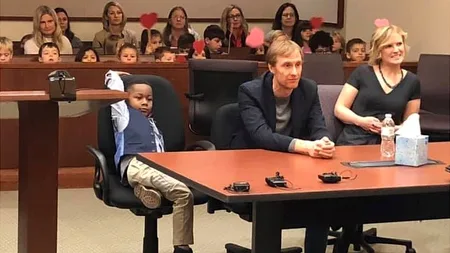
When the 2013 government shutdown threatened the closing down of a national program giving medical attention and meals to children, John D. Arnold donated $10 million of his own money to keep it afloat.
Billionaire Saved Head Start for 7,000 Kids During Shutdown
October 2013 was supposed to be business as usual for thousands of preschoolers across six states. Instead, their Head Start centers—which provided not just education but meals, health screenings, and medical care—shut down on day one of the federal government shutdown. Parents scrambled. Kids lost their daily routines. Then a billionaire couple most people had never heard of wrote a check for $10 million.
John D. Arnold and his wife Laura didn't go through their foundation. This was personal money, wired directly to the National Head Start Association to reopen seven closed programs. No press conference. No naming rights. Just action.
What Actually Got Shut Down?
Head Start isn't just preschool—it's a lifeline. The federal program serves low-income families with early childhood education, but that's only part of it. Kids get nutritious meals (often their most reliable food source), health and dental screenings, and connections to medical services. In rural areas, it's frequently the only accessible childcare option for miles.
When October 1st hit and Congress failed to pass a budget, Head Start centers in Georgia, Alabama, Connecticut, Florida, South Carolina, and Missouri immediately lost their federal grants. Over 7,000 children—mostly from families already stretched thin—suddenly had nowhere to go.
The Former Enron Trader Behind the Rescue
John Arnold made his fortune as one of the youngest traders at Enron, then started his own hedge fund focused on energy markets. By age 38, he'd retired with billions. Unlike many mega-rich donors who favor galas and university buildings, the Arnolds became known for data-driven philanthropy—criminal justice reform, education research, pension sustainability.
But the Head Start donation was different. It was fast, unglamorous, and temporary—the kind of problem-solving that doesn't build a legacy but keeps toddlers fed and supervised while politicians argued.
The money kept the programs running through the end of October 2013. By the time the government reopened on October 17th, those 7,000 kids had missed minimal school days instead of potentially weeks. Their parents hadn't lost jobs due to sudden childcare gaps. The centers' staff kept getting paychecks.
Why It Matters
Private charity filling gaps in government services sounds heartwarming until you realize how dystopian it is. One couple's generosity shouldn't determine whether thousands of low-income kids get breakfast. Arnold himself has been vocal about fixing broken systems rather than relying on billionaire band-aids.
Still, when the system failed in real-time, someone stepped up. The alternative—working parents losing income, kids missing developmental milestones, centers permanently closing—was immediate and tangible. The donation bought time.
The 2013 shutdown lasted 16 days. For context, the Arnolds' $10 million worked out to about $1,400 per child served—roughly what it costs to keep one kid in Head Start for a couple months. Not a permanent fix. Just enough to prevent a short-term disaster from becoming a long-term catastrophe.
Frequently Asked Questions
What is the Head Start program?
Who is John D. Arnold?
How much did John Arnold donate during the 2013 shutdown?
How many children were affected by the Head Start closures?
How long did the 2013 government shutdown last?
Verified Fact
This fact has been reviewed and verified against original sources.
Show verification details
The fact is accurate. During the October 2013 federal government shutdown, John D. Arnold and his wife Laura donated $10 million to keep Head Start programs running.
Related Topics
More from Places & Culture
View all Places & Culture →