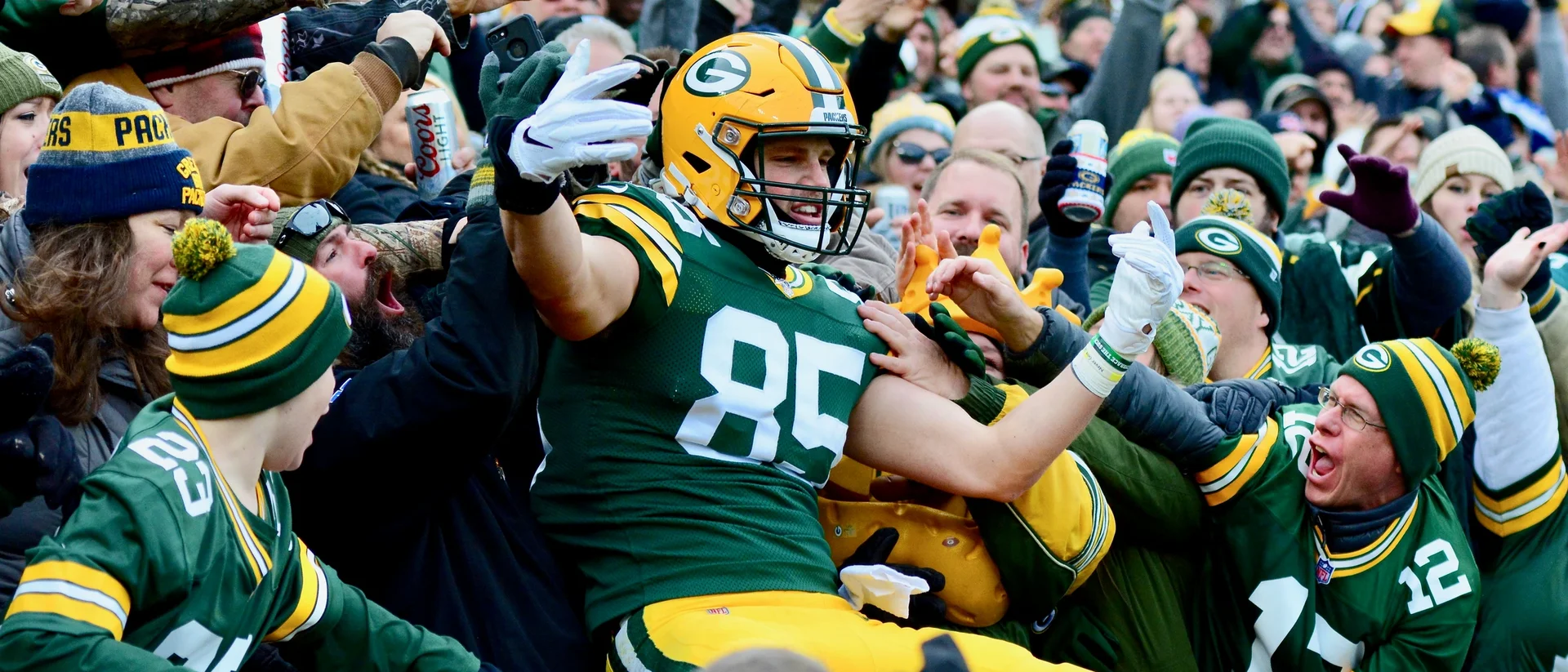
The Lambeau Leap is Green Bay's touchdown ritual: score, then dive into the stands. It began by accident on Dec. 26, 1993: Reggie White scooped a fumble, lateraled to LeRoy Butler, who scored and leaped into the crowd. Replays later showed White stepped out of bounds before the toss. The NFL banned celebrations in 2000 and 2014 but kept the Leap. Nearly every Packers touchdown at Lambeau still ends there.
The NFL Banned Every Celebration Except This One
On a zero-degree afternoon in Green Bay on December 26, 1993, a Packers defensive end named Reggie White scooped up a fumble he had no business carrying and started something nobody in the NFL has been able to stop since.
An Accident on a Frozen Field
The Packers were beating the Los Angeles Raiders 14-0 in the fourth quarter. Running back Randy Jordan fumbled, and White grabbed the loose ball.
Instead of running with it himself, White lateraled to safety LeRoy Butler, who was trailing the play.
Butler took off downfield, outran the defense, and scored, making it 21-0 on the way to a 28-0 final. Then, with nowhere left to run, he turned and jumped straight into the arms of fans in the front row.
Nobody had planned it. Butler later said he leaped on instinct, just to celebrate with the crowd that had sat through the cold to watch.
The Replay Nobody Talked About
Broadcast replays later showed something the officials missed in real time: White's foot had crossed the sideline before he threw the lateral to Butler.
No flag was thrown on the field, and the touchdown stood as called.
By the time anyone noticed, Butler was already back on the sideline, and a tradition had already started.
The One Rule That Never Changed
The league spent the following years cracking down on touchdown celebrations it considered excessive, from choreographed dance routines to props.
In 2000, the NFL banned most staged celebrations outright. It targeted goalpost dunks again in 2014, worried about players bending the crossbar and delaying the game.
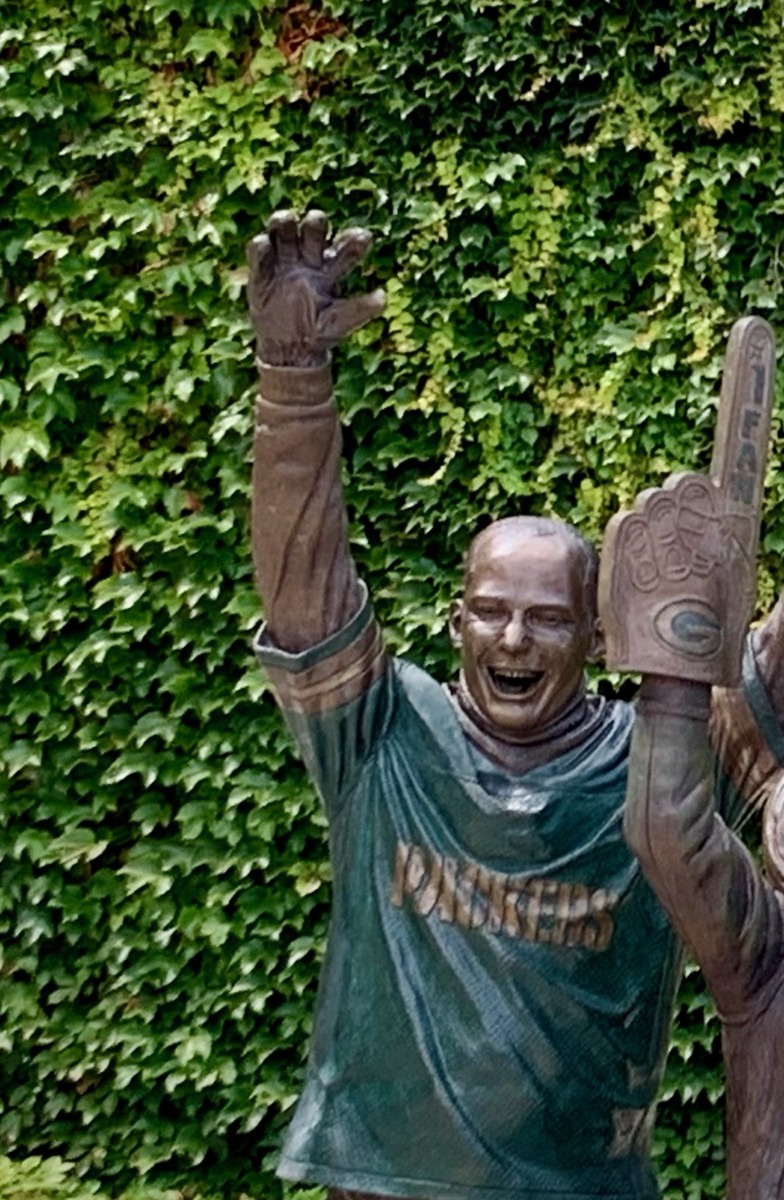
Both times, the Lambeau Leap survived. On the 2014 dunk ban, a league spokesman said the issue was the delay from resetting a bent crossbar, and that wasn't a factor for the Leap. The NFL has loosened its stance on other celebrations since then, allowing more props and group routines that stay on the field. One thing hasn't changed: leaving the field to celebrate with the crowd is banned everywhere else in the league. The leap into the Lambeau Field stands is the one that survived.
Still Happening, Nearly Every Game
Thirty-three seasons later, the Leap is still standard practice at Lambeau Field. Players jog to the wall below the stands after nearly every touchdown and climb in.
Fans in the front rows train for it, bracing to catch and hug whoever comes flying over the padding.
The Packers host the Atlanta Falcons at Lambeau Field on Thursday, September 24, 2026, in prime time. If Green Bay scores, someone will almost certainly still be climbing into the stands.
Frequently Asked Questions
Who did the first Lambeau Leap?
Was the first Lambeau Leap play legal?
Why does the NFL still allow the Lambeau Leap?
Do players still do the Lambeau Leap today?
When do the Packers next play at Lambeau Field?
Verified Fact
Verified Aug 28, 2026 · 4 sources checked
Source: WikipediaShow verification details
Claims checked
- LeRoy Butler did the first Lambeau Leap on December 26, 1993, after Reggie White recovered a fumble and lateraled it to him for a touchdown
- Video replays later showed White had stepped out of bounds before the lateral, but no flag was thrown and the touchdown stood
- The NFL banned most touchdown celebrations in 2000 and banned goalpost dunks again in 2014, keeping the Lambeau Leap as an exception both times
- The Packers host the Atlanta Falcons at Lambeau Field on Thursday, September 24, 2026
Sources: Wikipedia, ESPN, Packers.com, Wisconsin State Journal
Related Topics
More from Places & Culture
View all Places & Culture →