
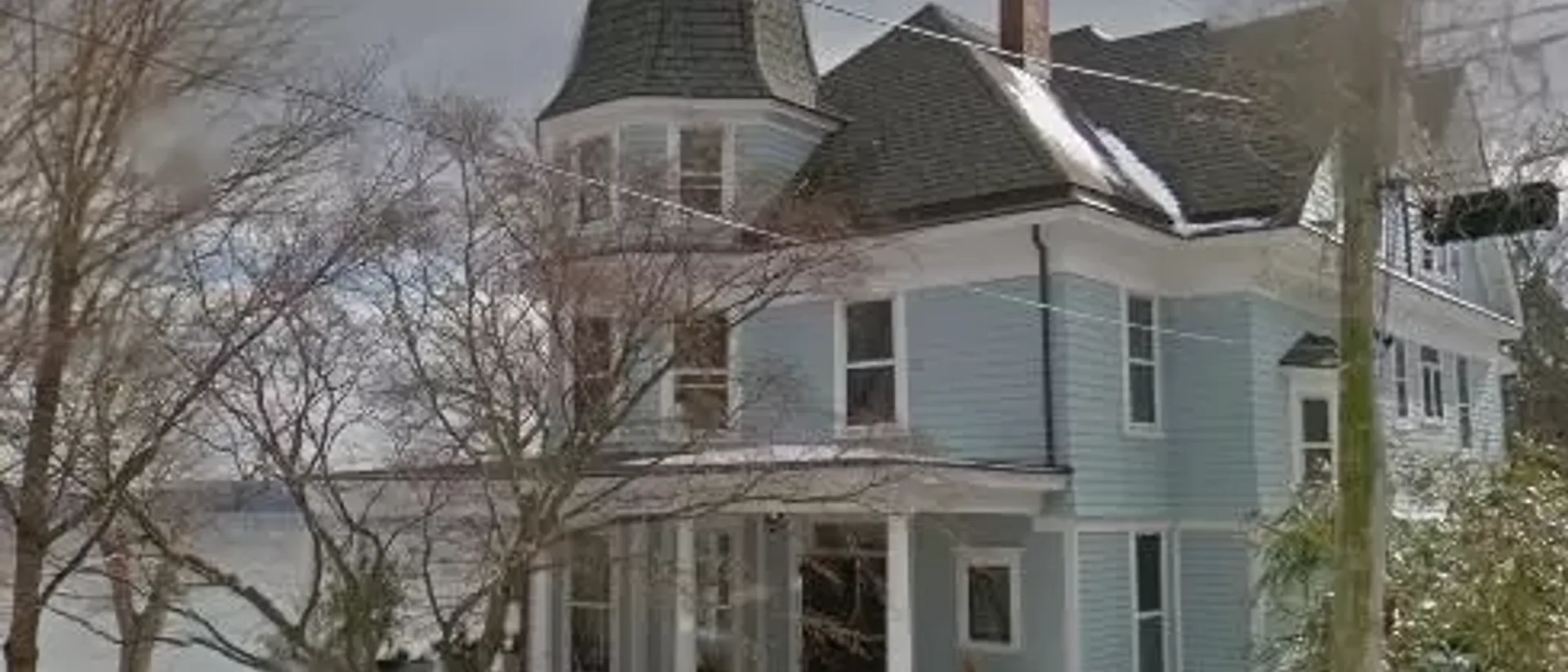
A woman in New York sold her house for $650,000 after spending years telling magazines it was haunted by poltergeists. She forgot to mention the ghosts to the buyer. He sued. A New York court ruled: "As a matter of law, the house is haunted." Law schools teach it as the Ghostbusters Ruling.
A New York Court Ruled That a House Is Legally Haunted
Helen Ackley lived in a Victorian home in Nyack, New York. For years, she enthusiastically told everyone it was haunted. She described the poltergeists to Reader's Digest. She reported them to the local press. She included the house on a walking tour of haunted homes in the Hudson Valley.
Then she sold the house for $650,000.
The Omission
The buyer, Jeffrey Stambovsky, was not from the area. He had no idea about the ghost stories. When he discovered that his new home was locally famous for being haunted, he wanted out. He sued to rescind the sale and recover his $32,500 deposit.
The Ruling
The case reached the New York Supreme Court, Appellate Division, in 1991. The court's opinion, written by Justice Israel Rubin, is one of the most unusual in American legal history.
The court ruled that because Ackley had actively promoted the house as haunted in the media, she was legally prevented from denying the ghosts existed when it came time to sell. The ruling stated: "Defendant is estopped to deny their existence and, as a matter of law, the house is haunted."
A New York appellate court had officially declared a house legally haunted.
The Ghostbusters Ruling
The case, Stambovsky v. Ackley, is now taught in law schools across the country. It is commonly referred to as "The Ghostbusters Ruling." Justice Rubin's opinion was peppered with ghost puns, including the observation that the buyer was left "in a very ectoplasmic situation."
The precedent stands: if you spend years telling people your house is haunted, you cannot then pretend it isn't when someone wants their money back. In New York, you can officially sue over paranormal activity.
Frequently Asked Questions
Is there really a legal ruling that a house is haunted?
Why is it called the Ghostbusters Ruling?
What happened to the buyer?
Can you sue over ghosts?
Verified Fact
This fact has been reviewed and verified against original sources.
Source: WikipediaShow verification details
Stambovsky v. Ackley, 169 A.D.2d 254 (N.Y. App. Div. 1991). $650,000 sale price confirmed. "As a matter of law, the house is haunted" is the actual court language. Justice Israel Rubin authored the opinion.