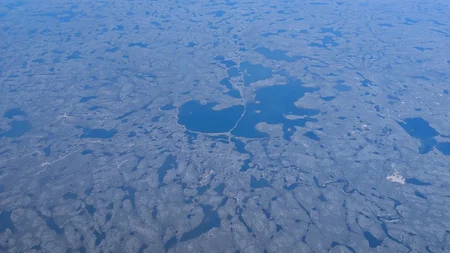
The Atlantic Ocean is saltier than the Pacific Ocean.
Why the Atlantic Ocean Is Saltier Than the Pacific
Next time you're swimming in the ocean, you might wonder: does all seawater taste equally salty? The surprising answer is no. The Atlantic Ocean is measurably saltier than the Pacific, with average surface salinity around 37 parts per thousand (ppt) compared to the Pacific's 33 ppt.
That might not sound like much, but in the vast scale of ocean basins, it represents a significant difference—and it's actually increasing over time.
Why Is the Atlantic Saltier?
Several factors contribute to this salinity gap. The Atlantic has a higher evaporation rate relative to its size, which concentrates salt in the remaining water. It also receives less freshwater input from rivers compared to the massive Pacific basin.
Geography plays a role too. The Atlantic is more enclosed, with less water exchange between different regions. The Mediterranean Sea, one of the saltiest bodies of water on Earth, feeds into the Atlantic and bumps up its overall salinity.
The Gap Is Growing
Here's where it gets interesting: the Atlantic-Pacific salinity contrast has increased by about 6% over the past 50 years. Scientists have observed that subtropical regions of the Pacific are becoming fresher, while the same regions in the Atlantic are getting saltier.
Wind patterns are a major driver. Stronger westerly winds in the North Atlantic are blocking salty water from moving northward, concentrating it in the upper layers of the ocean. Ocean warming also plays a critical role, altering evaporation rates and global water cycle dynamics.
What Does Salinity Actually Mean?
Ocean salinity is measured in parts per thousand (ppt), which tells us how many grams of salt are dissolved in a kilogram of seawater. The global average is about 35 ppt, but this varies dramatically by region.
- The Mediterranean Sea clocks in at around 38 ppt
- The Red Sea can exceed 40 ppt due to extreme evaporation
- The Baltic Sea is much fresher at only 7-8 ppt, thanks to river runoff
Why Does It Matter?
Ocean salinity isn't just a curiosity—it drives major ocean currents and influences global climate. Saltier water is denser and sinks, creating circulation patterns that distribute heat around the planet. Changes in salinity can disrupt these currents, potentially affecting weather patterns worldwide.
The growing salinity difference between the Atlantic and Pacific is a visible fingerprint of climate change, showing how human-driven warming is reshaping even the chemistry of our oceans.
Frequently Asked Questions
Which ocean is saltier, Atlantic or Pacific?
Why is the Atlantic Ocean more salty than the Pacific?
Is ocean salinity increasing over time?
What is the average salinity of ocean water?
How does ocean salinity affect climate?
Verified Fact
This fact has been reviewed and verified against original sources.
Show verification details
Current oceanographic data confirms the Atlantic Ocean has higher average surface salinity (~37 ppt) compared to the Pacific Ocean (~33 ppt).