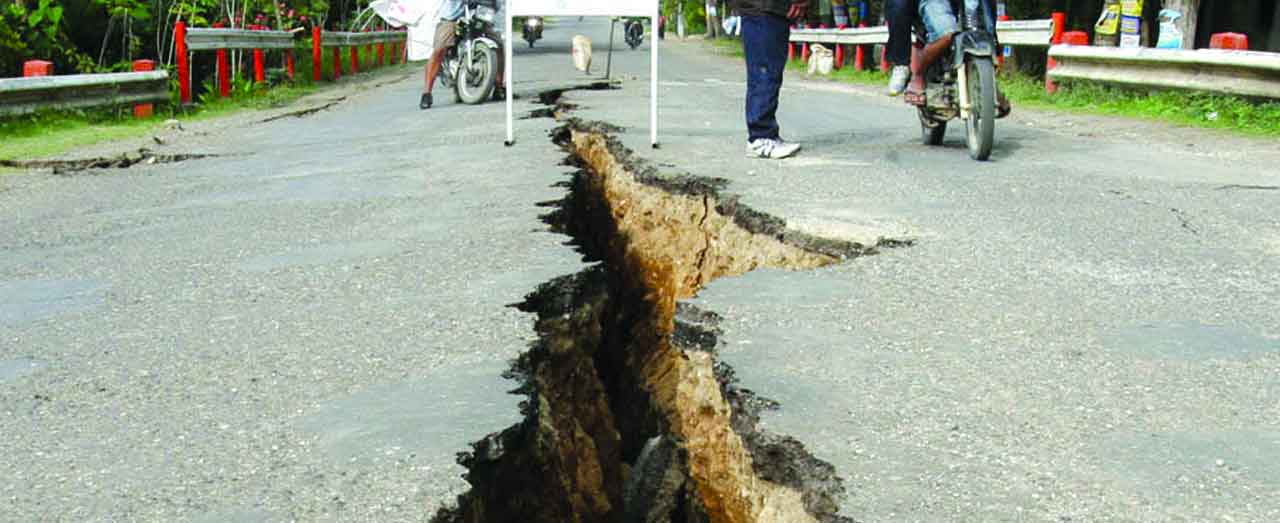
In 1975, officials in the Chinese city of Haicheng were so alarmed by odd and anxious behavior of dogs and other animals, they ordered the evacuation of 90,000 residents from the city. Only a few hours later, a 7.3 magnitude earthquake destroyed nearly 90 percent of the city’s buildings.
The City That Evacuated Hours Before a Massive Earthquake
On February 4, 1975, something unprecedented happened in the Chinese city of Haicheng. Officials ordered the evacuation of 90,000 residents based on a hunch that an earthquake was coming. Hours later, a devastating 7.3 magnitude earthquake struck, reducing nearly 90 percent of the city's buildings to rubble. The evacuation is credited with saving thousands of lives and remains the most successful earthquake prediction in history.
But here's where it gets weird: part of the decision to evacuate came from watching animals lose their minds.
When Nature Sounds the Alarm
In the days and weeks leading up to the quake, residents reported increasingly bizarre animal behavior. Dogs barked incessantly and refused to go indoors. Horses became so agitated they injured themselves trying to break out of their stables. Chickens flew into trees rather than roost in their coops. Rats ran through the streets in broad daylight, seemingly oblivious to humans.
Snakes reportedly emerged from hibernation in the dead of winter and froze to death on the icy ground rather than stay underground. Even the pigeons seemed to know something was wrong, circling frantically instead of landing.
Science Meets Superstition
Chinese officials weren't just relying on spooked livestock. The State Seismological Bureau had been monitoring the region after a swarm of smaller tremors began in late 1974. These foreshocks—more than 500 of them—were the real scientific basis for the prediction.
What made Haicheng unique was the combination of traditional observations and modern seismology. Local earthquake prediction stations collected reports from citizens about well water levels changing, ground deformation, and yes, those animal antics. When seismic monitoring showed increasing activity and aligned with centuries-old folk wisdom about animal behavior before earthquakes, officials made the call.
The Evacuation
On the morning of February 4, authorities ordered residents to leave their homes and gather in open areas. Many were skeptical. It was freezing outside, and the idea of abandoning their homes based on animal behavior seemed absurd to some.
But by 7:36 PM that evening, the skeptics became believers. The earthquake struck with tremendous force, collapsing buildings, buckling roads, and destroying infrastructure. Because of the evacuation:
- Estimated deaths: around 2,000 (mostly people who refused to evacuate or were unable to)
- Potential deaths without evacuation: estimated 150,000
- Buildings destroyed or severely damaged: over 90%
- One of the only successful earthquake predictions in modern history
Why This Almost Never Works
The Haicheng prediction created enormous optimism that earthquakes could be routinely forecasted. That optimism was short-lived.
Just over a year later, on July 28, 1976, the Tangshan earthquake struck with no warning. Magnitude 7.5. Over 240,000 people died, making it one of the deadliest earthquakes in recorded history. There were no foreshocks, no animal warnings, no signs at all.
Scientists now understand that Haicheng was a lucky exception. The foreshock sequence provided clear warnings that simply don't occur before most major earthquakes. Modern seismology still cannot reliably predict when or where earthquakes will strike.
Do Animals Really Know?
The scientific community remains divided on whether animals can detect earthquakes before they happen. Some researchers believe animals may sense:
- P-waves: Primary seismic waves that travel faster than the destructive S-waves but are imperceptible to humans
- Gas emissions: Radon or other gases released from the ground before quakes
- Electromagnetic changes: Shifts in the Earth's electromagnetic field
- Groundwater chemistry: Changes in water that animals drink
Others argue that unusual animal behavior happens all the time, and we only remember it when an earthquake follows. Confirmation bias, in other words.
What's undeniable is that the Haicheng evacuation worked. Whether it was science, instinct, or extraordinary luck, 90,000 people went home to piles of rubble instead of being buried beneath it. And for one brief moment in 1975, humanity thought we'd cracked the code on predicting the unpredictable.
Frequently Asked Questions
Can animals predict earthquakes?
What was the Haicheng earthquake prediction?
Why can't we predict earthquakes today?
How many people died in the Haicheng earthquake?
What strange animal behavior was observed before the Haicheng earthquake?
Verified Fact
This fact has been reviewed and verified against original sources.
Show verification details
The Haicheng earthquake prediction and evacuation is a well-documented case in seismology. The earthquake occurred on February 4, 1975, with magnitude 7.3 (some sources cite 7.0-7.5).