
⚠️This fact has been debunked
Our fact-checkers found this claim to be inaccurate. See the article below for details.
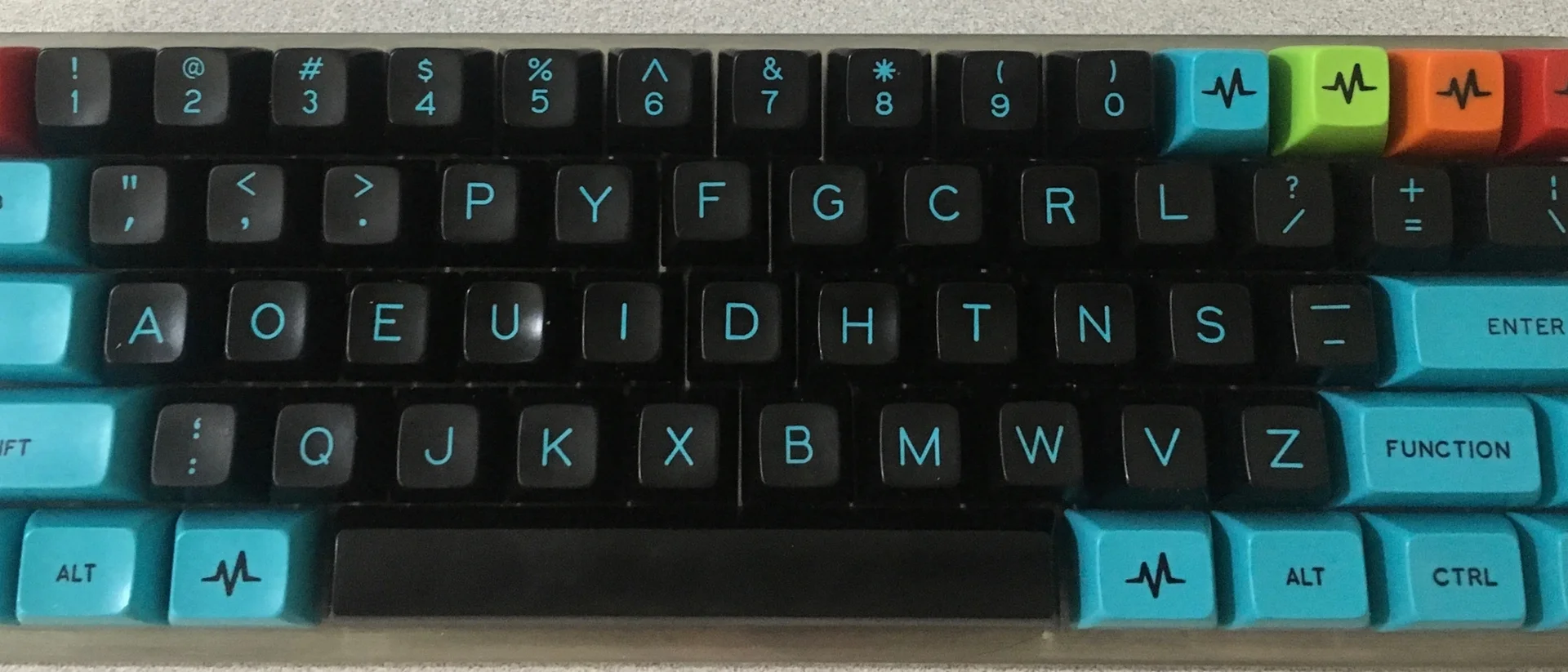
The Dvorak keyboard is estimated to be 12 to 20 times more efficient than the QWERTY keyboard.
The Dvorak Keyboard Myth: Debunking the Efficiency Claim
You've probably heard it before: the Dvorak keyboard layout is way better than QWERTY. Some claims put it at 12 to 20 times more efficient. If that were true, we'd all be using Dvorak by now, right? Spoiler alert: we're not, and there's a good reason why.
The claim is wildly exaggerated. While Dvorak does offer some benefits, the idea that it's exponentially superior to QWERTY is one of technology's most persistent myths.
The Origin Story: A Suspicious Study
The dramatic efficiency claims trace back to studies conducted in the 1940s and 1950s, including experiments by the U.S. Navy. These studies reported miraculous improvements in typing speed. There's just one problem: later investigation revealed the research was biased at best, and possibly fabricated at worst.
Here's the kicker—many of those studies were conducted or funded by August Dvorak himself, the layout's inventor. Not exactly an impartial researcher. When independent scientists examined the data decades later, the extraordinary claims fell apart.
What Science Actually Says
Modern research paints a much more modest picture. Studies from the 2000s onward show that Dvorak users typically achieve 5-10% higher typing speeds compared to QWERTY users—not the 1,200-2,000% improvement the myth suggests.
The most compelling benefit? Reduced finger movement. Dvorak can cut finger travel by up to 50% because it places common letters on the home row. Your fingers don't need to jump around as much, which could reduce fatigue during marathon typing sessions.
But here's the catch: individual practice matters far more than layout choice. A well-practiced QWERTY typist will outperform a casual Dvorak user every time. The layout is only one small variable in typing performance.
Why QWERTY Won (and Stayed)
The persistence of QWERTY isn't just about being first. It's about network effects—everyone learns it, so keyboards are standardized, so everyone keeps learning it. Switching to Dvorak means retraining your muscle memory, dealing with every public computer having QWERTY, and explaining to confused coworkers why your keyboard looks weird.
For most people, the modest ergonomic benefits don't justify the hassle. And contrary to popular belief, QWERTY wasn't designed to slow typists down—that's another myth. It was designed to prevent mechanical typewriter jams by separating commonly paired letters.
The Verdict
Is Dvorak better than QWERTY? Marginally, yes—especially for finger comfort during extended typing. Is it 12-20 times more efficient? Absolutely not. That claim belongs in the same category as "we only use 10% of our brains" and "you need eight glasses of water a day."
If you're curious about alternative layouts, Dvorak and its modern cousin Colemak are worth exploring. But don't expect miracles. Your typing speed and comfort come down to practice, posture, and ergonomics far more than which keys have which letters printed on them.
Enjoyed this? Get a new fact every morning.
A fascinating fact in your inbox every morning. Free. Unsubscribe anytime.