
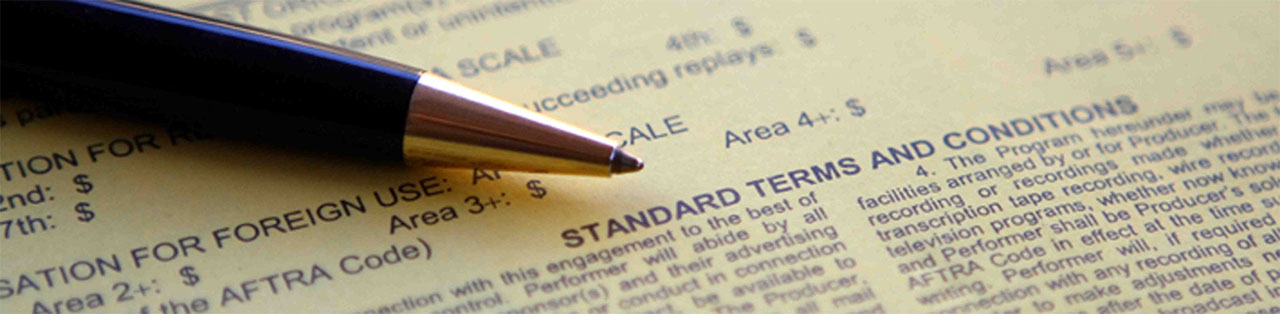
It would take 76 work days (8 hours a day) for the average person to read the Terms and Conditions they agree to in a year.
76 Days to Read Your Annual Terms & Conditions
Every time you click "I Agree" without reading, you're in good company. Carnegie Mellon researchers discovered that if you actually read every privacy policy and terms of service you encounter in a year, you'd need 76 full workdays to get through them all. That's over three months of full-time employment spent deciphering legal jargon.
The researchers examined the top 75 websites and found the median privacy policy clocked in at 2,514 words. To put that in perspective, that's longer than this entire article—repeated about four times. They tested 212 people with comprehension questions to figure out how long the average person actually needs to read and understand these documents, not just skim them.
The Absurd Math
Here's where it gets ridiculous. If every internet user in America actually read all their privacy policies, the collective time lost would cost the economy $781 billion annually. That's billion with a B.
Breaking it down to the individual level: you'd spend roughly 25 days per year just reading privacy policies. Not using the internet, not being productive—just reading dense legal documents written by lawyers, for lawyers.
Why Nobody Reads Them
The study highlights a fundamental problem: we've created a system where protecting your privacy is unreasonably difficult. Companies bury important information in mountains of text, written in what researchers called "a confounding mixture of tech speak and legalese."
It's not laziness that makes people skip these documents. It's basic math. Reading them all is literally impossible if you want to do anything else with your life. Work, sleep, eat, see your family—those things have to fit around your hypothetical 76-day terms-reading marathon.
The Carnegie Mellon researchers argued that responsibility needs to shift. Instead of expecting users to read novel-length legal documents before checking email, websites should make privacy protections clearer and simpler. When the system requires the impossible, the system is broken.
What You're Actually Agreeing To
When you blindly click "I Agree," you might be signing away more than you think:
- Rights to your personal data, photos, and messages
- Permission for companies to track your behavior across websites
- Agreement to mandatory arbitration (giving up your right to sue)
- Consent to share your information with third parties
- Acceptance of terms that can change at any time without notice
The next time you're about to click through without reading, remember: you're making a completely rational choice. The irrational part is that we built an internet that requires you to choose between privacy and practicality.
Frequently Asked Questions
How long would it take to read all the terms and conditions you agree to in a year?
Why don't people read privacy policies and terms of service?
How long is the average privacy policy?
What is the economic cost of reading privacy policies?
What do you agree to when you accept terms and conditions?
Verified Fact
This fact has been reviewed and verified against original sources.
Show verification details
Confirmed by Carnegie Mellon University research study from 2012. The study examined the top 75 websites with a median privacy policy length of 2,514 words and tested comprehension with 212 participants.