During spring tides, a tidal bore called the Pororoca rolls up the Amazon River, creating a continuous wave up to 4 meters high that can be surfed for over 12 kilometers. The phenomenon is strongest between February and March when Atlantic tides push ocean water upstream against the river's flow.
The Amazon's Surfable Tidal Wave That Travels 12km
Somewhere in the world, surfers are paddling out into the ocean hoping to catch a wave that might last 30 seconds if they're lucky. Meanwhile, in Brazil, a select group of lunatics are riding a single wave for over 12 kilometers—and they're doing it on a river.
Welcome to the Pororoca.
When the Ocean Invades the Amazon
The name comes from the indigenous Tupi language, meaning "great roar"—and that's not poetic license. You can hear the Pororoca coming from miles away, a thundering wall of brown water barreling upstream at speeds up to 30 kilometers per hour.
This tidal bore forms when the gravitational pull of spring tides (during both new and full moons) forces Atlantic Ocean water into the mouth of the Amazon. The collision between incoming tide and outgoing river creates a traveling wave that can reach 4 meters in height and maintain its power for hundreds of kilometers inland.
The Most Dangerous Wave on Earth?
Surfing the Pororoca isn't just about balance. It's about survival. The wave carries with it:
- Entire uprooted trees and debris
- Snakes, including anacondas
- Piranhas (yes, really)
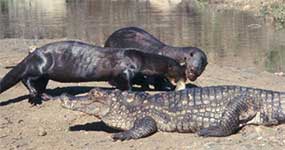
- Caimans—because why not add crocodilians
- Zero visibility in the muddy water
Wipe out here and you're not swimming to shore through crystal-clear water. You're tumbling blind through a blender of Amazonian wildlife and floating timber.
The 12km Record
Brazilian surfer Picuruta Salazar holds the record for the longest documented Pororoca ride at approximately 12.5 kilometers, lasting around 37 minutes. To put that in perspective, most ocean waves give you maybe 10-15 seconds of ride time.
Salazar didn't just catch a wave—he took a commute on it.
Peak Season for Wave Hunters
The Pororoca reaches its maximum intensity between February and March, when spring tides coincide with the rainy season's swollen river levels. During these months, the phenomenon occurs roughly every two weeks, with the strongest bores lasting two to three days per cycle.
An annual surfing championship was held on the Pororoca until organizers apparently decided that competitive events involving piranhas presented certain liability concerns. The championship is now discontinued, but die-hard surfers still make the pilgrimage.
Not Just Brazil
The Amazon's Pororoca is the most famous tidal bore, but similar phenomena occur worldwide—the Qiantang River in China, the Severn in England, and the Petitcodiac in Canada all have their own versions. None match the Amazon's combination of size, duration, and biological hazards.
The Pororoca stands as proof that sometimes nature creates something so absurd, so unnecessarily dramatic, that you'd swear someone was making it up. A surfable wave on a river, lasting half an hour, full of snakes and piranhas, named after the roar it makes as it approaches.
Some waves are meant to be ridden. This one seems like it was designed to be survived.
Frequently Asked Questions
What is the Pororoca?
How long can you surf the Pororoca wave?
When does the Pororoca occur?
Is it dangerous to surf the Pororoca?
Where exactly does the Pororoca happen?
Verified Fact
This fact has been reviewed and verified against original sources.
Show verification details
Corrected several inaccuracies: the pororoca occurs during spring tides (new AND full moons), lasts about 2-3 days per tidal cycle not 'three weeks', wave height varies 2-4m, and surfing distance record is about 12.5km.