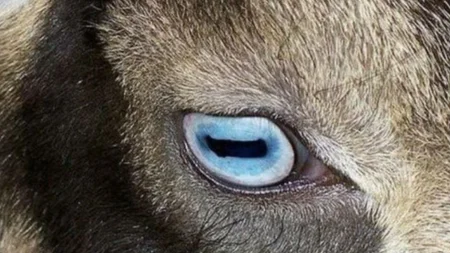
Catgut comes from sheep not cats.
Catgut Comes from Sheep, Not Cats (Despite the Name)
If you've ever heard of catgut—the material used for centuries in surgical sutures, tennis rackets, and violin strings—you might assume it comes from cats. It doesn't. Not even close.
Catgut is actually made from the natural fibers found in animal intestines, primarily sheep, but also goats, horses, mules, and donkeys. Never cats. The process involves cleaning, stretching, and twisting these intestinal tissues into strong, flexible cords that have been prized for their unique properties for thousands of years.
So Why Is It Called Catgut?
Nobody knows for certain, and that's led to some creative theories. The most credible explanation is that "catgut" is a corruption of "kitgut" or "kitstring"—"kit" being an old word for a small fiddle. Since these strings were commonly used on stringed instruments, the name would make sense.
Another theory suggests it comes from "cattlegut," which later got shortened. Some historians point to the word "kitgut" appearing in earlier writings, while others note that the material was sometimes called "Roman strings" in certain regions, adding another layer of mystery.
One thing's for sure: no cats were harmed in the making of your tennis racket.
What Made Catgut So Special?
- Medical sutures: Before synthetic alternatives, catgut was the gold standard for internal stitches because it's naturally absorbable—the body breaks it down over time
- Musical instruments: Violinists and other string players valued catgut for its warm, rich tone that synthetic strings struggled to replicate
- Tennis rackets: Professional players used catgut strings well into the 20th century for their superior tension and feel
- Archery: Bowstrings made from catgut were strong, flexible, and reliable
The material's biocompatibility made it revolutionary in medicine. When surgeons stitched up internal wounds, they didn't need to remove catgut sutures later—the body simply absorbed them as the tissue healed.
What Happened to Catgut?
While you can still find catgut strings for traditional instruments and specialized medical applications, synthetic materials have largely replaced it. Modern sutures made from polymers offer more consistent quality and lower risk of allergic reactions. Tennis players switched to synthetic strings that last longer and maintain tension better.
But catgut hasn't disappeared entirely. Some classical musicians insist on natural gut strings for their authentic sound, and certain surgical procedures still use catgut sutures when their absorbable properties are specifically needed.
The legacy of this misnamed material lives on—a reminder that sometimes the most useful things in life come from the most unexpected (and least appetizing) sources. Just don't tell your cat.
Frequently Asked Questions
What is catgut actually made from?
Why is catgut called catgut if it doesn't come from cats?
Is catgut still used today?
What was catgut used for historically?
Why did doctors use catgut for stitches?
Verified Fact
This fact has been reviewed and verified against original sources.
Show verification details
Catgut is indeed made from animal intestines, primarily sheep, but also goats, horses, mules, and donkeys - never cats.
Related Topics
More from Animals
View all Animals →