⚠️This fact has been debunked
Our fact-checkers found this claim to be inaccurate. See the article below for details.
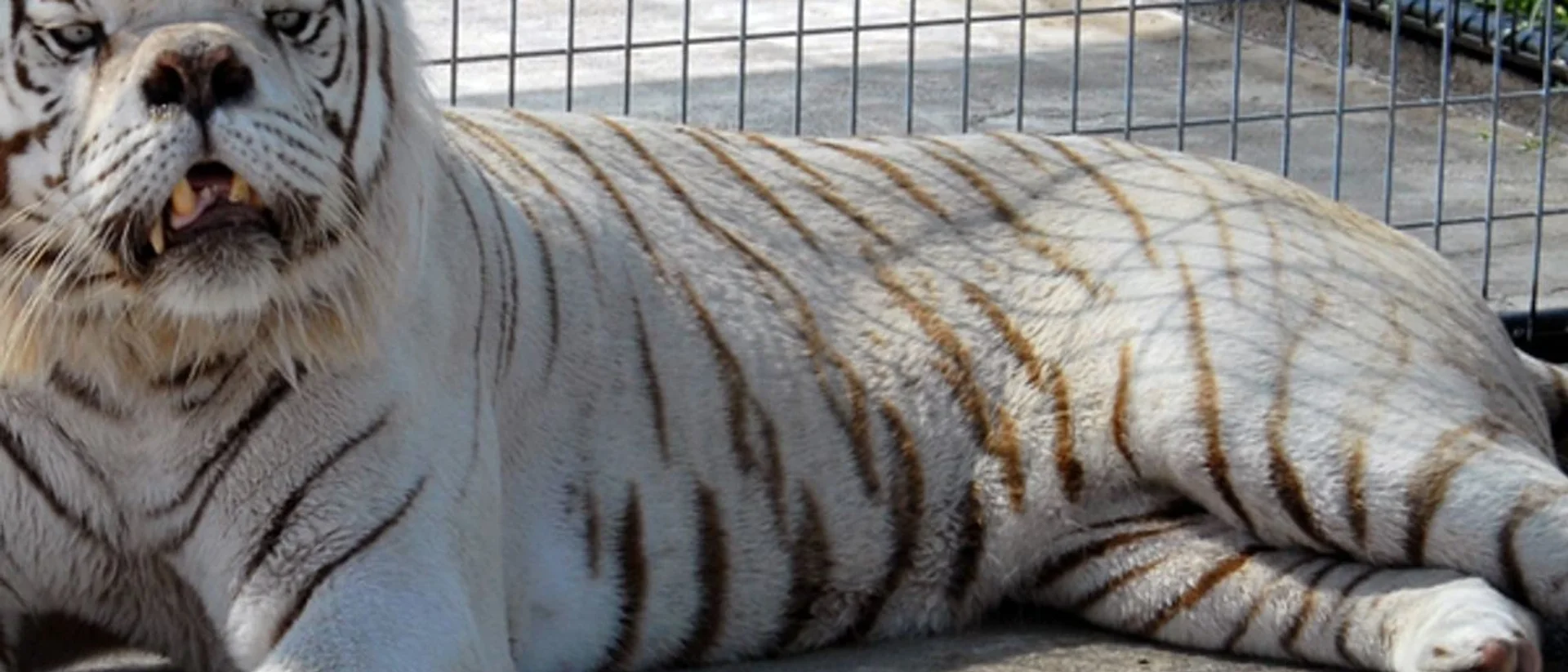
There is a tiger named Kenny who is the only known tiger to have downs syndrome.
The Truth About Kenny the Tiger and 'Down Syndrome'
The story of Kenny, the white tiger often described as having "Down syndrome," captivated many, shedding light on the unusual appearance of some animals. However, the widely circulated claim that Kenny suffered from Down syndrome is a common misconception.
While Kenny certainly had distinctive facial features—a broad face, a shortened snout, and an underbite—these were not indicative of Down syndrome. Down syndrome is a genetic condition caused by the presence of an extra full or partial copy of chromosome 21, and it is almost exclusively found in humans. While some animals can have chromosomal abnormalities, the specific condition known as Down syndrome, as seen in humans, does not occur in tigers or most other species.
The True Cause: Inbreeding's Devastating Impact
So, if not Down syndrome, what caused Kenny's unique look? The answer lies in the deeply problematic practice of inbreeding. Kenny was a white tiger, and white tigers are not a separate subspecies. They are Bengal tigers born with a recessive gene that inhibits pigmentation, resulting in their striking white coats and blue eyes. To consistently produce white tiger cubs, breeders often resort to mating closely related animals, such as siblings or even parents with their offspring.
This practice dramatically increases the likelihood of offspring inheriting two copies of harmful recessive genes, leading to a host of genetic defects and health issues. Kenny's physical deformities were a tragic consequence of such severe inbreeding. His physical challenges included:
- Significant facial abnormalities: A short, 'squashed' snout and misaligned teeth.
- Neurological issues: Some reports indicated cognitive or developmental delays.
- Organ problems: White tigers born from inbreeding often suffer from kidney problems, spinal deformities, and immune system deficiencies.
The Ethical Dilemma of White Tiger Breeding
Kenny's case became a powerful symbol of the ethical concerns surrounding the breeding of white tigers. These animals are often bred solely for their aesthetic appeal in zoos and private collections, with little regard for their welfare. The intense inbreeding necessary to reliably produce white coats often results in a high percentage of cubs being born with severe health problems, many of whom do not survive or are euthanized.
Conservation organizations universally condemn the breeding of white tigers for several key reasons:
- No conservation value: White tigers offer no genetic diversity to wild populations and are not a conservation priority.
- Animal welfare concerns: The high rate of genetic defects from inbreeding leads to suffering.
- Misleading public: Their existence often creates a false perception of conservation success while diverting resources from genuine conservation efforts for truly endangered wild tigers.
Kenny's Legacy and a Call for Awareness
Kenny was rescued in 2000 from a private breeder in Arkansas by the Turpentine Creek Wildlife Refuge. Despite his health challenges, he lived for 10 years, which is still considerably shorter than the average lifespan of a healthy tiger in captivity. His story, though rooted in misinformation about Down syndrome, served to highlight the devastating consequences of irresponsible breeding practices and the plight of many captive exotic animals.
Ultimately, Kenny's tale is a stark reminder of the importance of ethical animal care and the dangers of prioritizing aesthetics over welfare. Understanding the true cause of his condition helps us advocate for better treatment and conservation efforts for all animals.
Frequently Asked Questions
Did Kenny the tiger really have Down syndrome?
What caused Kenny the tiger's unique appearance?
Why is inbreeding common in white tigers?
What happened to Kenny the tiger?
Can animals get Down syndrome?
Related Topics
More from Animals
View all Animals →