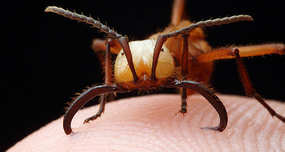
Maggots will only eat flesh if it is dead. For this reason, they are often used to remove the burnt skin from severe burn patients.
Maggots Only Eat Dead Flesh—That's Why Doctors Use Them
It sounds like something from a horror movie, but it's cutting-edge medicine: doctors deliberately place live maggots on severe wounds, including burns, to clean away dead tissue. The key to this grotesque-yet-genius treatment? Maggots are biologically incapable of eating healthy flesh.
Medical-grade maggots—typically blowfly larvae from the species Lucilia sericata—lack the physical tools to break down living cells. They have no teeth or sharp mandibles capable of tearing through robust, healthy tissue. Instead, they use tiny mouth hooks and rough skin to scrape away material that's already decomposing.
How Maggots Choose What to Eat
The larvae secrete powerful digestive enzymes called peptidases directly onto the wound surface. These enzymes liquefy dead and infected tissue—which is already weakened and breaking down—into a nutritious slurry the maggots can slurp up. Living tissue, with its intact cellular structure and active immune defenses, resists these enzymes and remains untouched.
This selective eating isn't altruism; it's pure efficiency. Dead tissue is easier to digest and requires less energy to process. Why struggle with healthy cells when there's a buffet of necrotic material available?
From Battlefields to Burn Units
Maggot debridement therapy (MDT) isn't new. Military surgeons during the Napoleonic Wars and American Civil War noticed that soldiers whose wounds became infested with maggots often healed better than those with clean wounds. By World War I, doctors were intentionally introducing sterile maggots to treat infections.
Modern medical maggots are laboratory-raised in sterile conditions and applied in special breathable bags that keep them contained on the wound. A 2024 case report documented successful maggot therapy on a burn patient's thigh, achieving complete healing within eight weeks and avoiding the need for surgery.
Why Use Maggots Instead of Surgery?
- Precision: Maggots are more selective than surgical scalpels, preserving healthy tissue that surgeons might accidentally remove
- Infection control: Their secretions actively break down bacterial biofilms, including antibiotic-resistant strains like MRSA
- Cost: MDT can reduce hospitalization time and antibiotic use
- Patient preference: Some patients, especially elderly individuals with health complications, prefer to avoid surgical intervention
Despite mounting evidence of effectiveness, maggot therapy remains underutilized—often reserved as a last resort after conventional treatments fail. Part of the resistance is psychological. The idea of maggots crawling on your skin triggers deep-seated revulsion, even though patients report the sensation as more of a tickle than anything painful.
Not All Maggots Are Medical Marvels
One critical caveat: only certain species exhibit this dead-tissue-only behavior. Some flies produce larvae that do consume living flesh, causing a parasitic infection called myiasis. This is why medical maggots must be laboratory-certified and species-verified. You definitely don't want the wrong type of larvae in your wound.
The next time you see a blowfly buzzing around, remember: its babies might be future wound-care specialists, evolutionary-designed surgeons armed with enzymatic scalpels and an appetite for exactly what needs removing.
Frequently Asked Questions
Do maggots really only eat dead tissue?
Are maggots still used in hospitals today?
How do maggots clean wounds?
Is maggot therapy painful?
What kind of maggots are used in medical treatment?
Verified Fact
This fact has been reviewed and verified against original sources.
Show verification details
The fact is accurate. Medical-grade maggots (specifically Lucilia sericata) do preferentially consume dead/necrotic tissue due to their enzymatic secretions and mechanical limitations.